Saif Ali Khan and Rajdeep Sardesai on Royal Ranthambore’s Conserving India’s Finest Tigers
Tune in to the conversation to experience the stories up close.

An Iranian ballistic missile strike on a residential building in Haifa, northern Israel, has left two people dead and four others missing. According to a report from the impact site, the missile targeted a civilian community, causing major destruction and leaving a building at serious risk of collapse. First responders recovered the bodies of two victims from under the rubble, while search and rescue operations continue for four individuals believed to be trapped. Numerous others sustained injuries and were evacuated to hospitals following the attack. The Chief of Staff of the Home Front Command, identified via the IDF as Brigadier General Elad Edri, stated from the scene: 'The Iranian regime aims its missiles to civilian targets, to the civilian population of the State of Israel.' The report highlights the resilience of the Israeli public as the IDF remains engaged in defending the state against multi-front threats. The building hit was a five-storey structure in the middle of the city.
Tune in to the conversation to experience the stories up close.
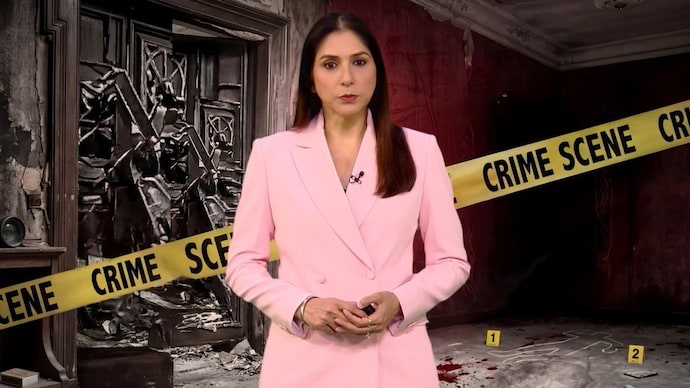
This edition of Postmortem turns the spotlight on crimes that both shock and compel closer scrutiny, unpacking not just the act but the larger patterns behind it. In today's episode, the focus is on a chilling knife attack in Mumbai, where a man allegedly carried out a violent assault while claiming links with ISIS. The incident has raised fresh concerns about the persistence of extremist influence and the vulnerability of individuals to radical ideologies. The episode goes beyond the crime itself, examining the broader trend of radicalisation among young men. It explores how online propaganda, social isolation, and ideological manipulation can create pathways that lead individuals towards extremism. Postmortem also takes a closer look at how law enforcement agencies across India track and respond to such threats. From intelligence gathering to coordinated surveillance networks, the programme highlights the mechanisms used by police to identify early signs of radicalisation and intervene before violence unfolds.
This is a story that starts in Ranchi… with long nights, strict parents, and a kid learning to control fear before finding his voice on the field.
The latest episode of Statecraft examines the escalating conflict between the United States and Iran as the sixty-day deadline under the War Powers Resolution expires.