From Mughals to Orry: CBSE Class 12 History paper QR code goes off syllabus
After the Class 12 History paper on March 30 went viral for QR codes allegedly leading to Orry, CBSE has now issued a clarification. The board said the codes are only for authentication and not linked to any web content, following similar buzz earlier around the Maths paper.
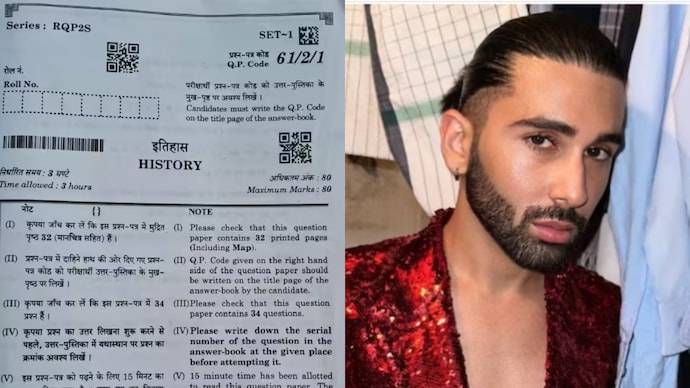
The Central Board of Secondary Education (CBSE) has issued an official clarification after QR codes printed on Class 12 History question papers triggered confusion among students.
In its advisory, CBSE said, "QR codes printed on question papers are meant for internal use and authentication. They do not link to any external website or content." It further clarified that any results seen online after scanning are not connected to the board.
The board explained that when scanned, the QR code may display encoded information. However, if users copy or search this information on the internet, search engines may generate unrelated or misleading results. CBSE cautioned stakeholders against misinterpreting such outcomes.
The clarification comes after CBSE exams are making headlines for reasons beyond marks and grades. After the Class 12 Mathematics paper went viral for a QR code that allegedly played Rick Astley’s Never Gonna Give You Up, the Class 12 History paper is now creating its own buzz.
The QR code of the CBSE History board exam which was held on March 30, 2026, leads to Orry when scanned. Students and social media users have shared videos documenting the entire thing.
They claim that scanning the QR code on the history paper led them to a search result featuring Orry, the internet personality.
India Today independently verified with two different sets of History Class 12 papers (SET 1 and SET 3) and the QR code landed on the search page of a popular influencer, Orhan Awatramani aka Orry.
The Instagram posts sharing this have spread rapidly, turning a standard exam feature into an unexpected meme.
Orry has also shared a video on his Instagram handle scanning the History Board Exam Questions paper that leads to his search page saying, "Oh, that's my dream. Oh my gosh! I am on CBSE exam paper."
The caption of his video reads, "CBSE paper is the new phuljadi packet."
Watch Orry's video:
NOT THE FIRST SUCH INCIDENT: FROM RICKROLL TO ORRY
This isn’t CBSE’s first encounter with unexpected online fame. On March 9, students who scanned the QR code in the Class 12 Maths paper found themselves rickrolled: one of the internet’s oldest pranks.
The video of Rick Astley singing Never Gonna Give You Up took social media by storm.
CBSE later clarified that the Maths paper was authentic and that the QR codes are intended as a security feature to verify paper authenticity, not to serve content.
Despite the board’s assurance, students and internet users had a field day, turning the papers into viral content.
WHEN EXAMS GO VIRAL
What makes these incidents so captivating is the contrast between a high-stakes exam and playful internet culture. QR codes are meant to ensure exam security, but they became a gateway to memes instead.
The Maths rickroll had students laughing and sharing their experience online. Now, Orry appearing on the History paper QR code continues the trend, highlighting the unpredictable ways in which technology can intersect with education.
It is a reminder that even serious, formal institutions can unexpectedly become part of pop culture.
THE STUDENTS’ REACTION
Students took to social media, posting screenshots and videos of the QR codes leading to Orry and sharing their amusement.
Many appreciated the comic relief during an otherwise stressful exam period. Social media users across India have engaged with the content, creating memes, jokes, and discussions about the incident.
The viral nature of these incidents has captured the public imagination.
A QUIRKY LEGACY
From Rick Astley to Orry, CBSE papers in 2026 may seem like a source of laughs and internet memes, but the reality might be serious.
While students and social media users are sharing jokes, such incidents highlight potential risks in exam oversight.
The Central Board of Secondary Education (CBSE) has issued an official clarification after QR codes printed on Class 12 History question papers triggered confusion among students.
In its advisory, CBSE said, "QR codes printed on question papers are meant for internal use and authentication. They do not link to any external website or content." It further clarified that any results seen online after scanning are not connected to the board.
The board explained that when scanned, the QR code may display encoded information. However, if users copy or search this information on the internet, search engines may generate unrelated or misleading results. CBSE cautioned stakeholders against misinterpreting such outcomes.
The clarification comes after CBSE exams are making headlines for reasons beyond marks and grades. After the Class 12 Mathematics paper went viral for a QR code that allegedly played Rick Astley’s Never Gonna Give You Up, the Class 12 History paper is now creating its own buzz.
The QR code of the CBSE History board exam which was held on March 30, 2026, leads to Orry when scanned. Students and social media users have shared videos documenting the entire thing.
They claim that scanning the QR code on the history paper led them to a search result featuring Orry, the internet personality.
India Today independently verified with two different sets of History Class 12 papers (SET 1 and SET 3) and the QR code landed on the search page of a popular influencer, Orhan Awatramani aka Orry.
The Instagram posts sharing this have spread rapidly, turning a standard exam feature into an unexpected meme.
Orry has also shared a video on his Instagram handle scanning the History Board Exam Questions paper that leads to his search page saying, "Oh, that's my dream. Oh my gosh! I am on CBSE exam paper."
The caption of his video reads, "CBSE paper is the new phuljadi packet."
Watch Orry's video:
NOT THE FIRST SUCH INCIDENT: FROM RICKROLL TO ORRY
This isn’t CBSE’s first encounter with unexpected online fame. On March 9, students who scanned the QR code in the Class 12 Maths paper found themselves rickrolled: one of the internet’s oldest pranks.
The video of Rick Astley singing Never Gonna Give You Up took social media by storm.
CBSE later clarified that the Maths paper was authentic and that the QR codes are intended as a security feature to verify paper authenticity, not to serve content.
Despite the board’s assurance, students and internet users had a field day, turning the papers into viral content.
WHEN EXAMS GO VIRAL
What makes these incidents so captivating is the contrast between a high-stakes exam and playful internet culture. QR codes are meant to ensure exam security, but they became a gateway to memes instead.
The Maths rickroll had students laughing and sharing their experience online. Now, Orry appearing on the History paper QR code continues the trend, highlighting the unpredictable ways in which technology can intersect with education.
It is a reminder that even serious, formal institutions can unexpectedly become part of pop culture.
THE STUDENTS’ REACTION
Students took to social media, posting screenshots and videos of the QR codes leading to Orry and sharing their amusement.
Many appreciated the comic relief during an otherwise stressful exam period. Social media users across India have engaged with the content, creating memes, jokes, and discussions about the incident.
The viral nature of these incidents has captured the public imagination.
A QUIRKY LEGACY
From Rick Astley to Orry, CBSE papers in 2026 may seem like a source of laughs and internet memes, but the reality might be serious.
While students and social media users are sharing jokes, such incidents highlight potential risks in exam oversight.

