From RSS roots to 207 seats in polls: BJP's century-long rise in Bengal
The BJP's 207-seat win in West Bengal capped a political journey that began with the RSS and Jana Sangh. The result reflected decades of cadre-building, ideological consolidation and gradual expansion across the state.
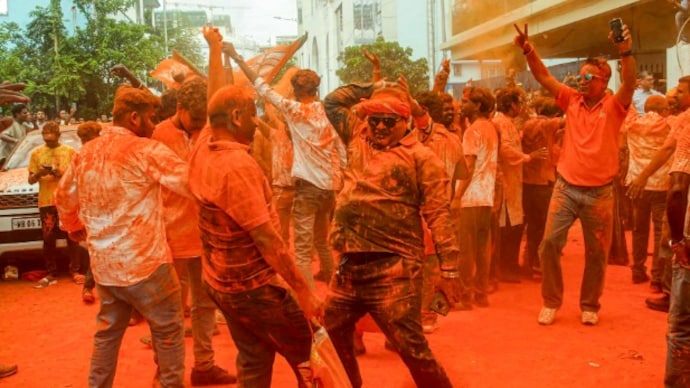
As the BJP romped to a landslide victory in West Bengal by winning 207 seats in the 294-member Assembly, many saw it as a political tsunami. But the victory was not sudden. It was the culmination of nearly a century of ideological groundwork, organisational expansion and slow social change in Bengal’s politics.
The story stretches back to 1925 in Nagpur with the formation of the RSS, the rise of the Hindu Mahasabha in West Bengal, the politics of Syama Prasad Mookerjee, the founder of the Bharatiya Jana Sangh and eventually the BJP’s transformation from a marginal force into West Bengal’s dominant political power.
What unfolded on May 4, 2026, was not merely an election result, but the end product of decades of patient political engineering.
PRE-INDEPENDENCE BENGAL: RSS, HINDU MAHASABHA, MOOKERJEE
The RSS formally entered Bengal in 1939, though the ideological groundwork had begun earlier. Bengal at the time was witnessing competing political currents – Congress-led nationalism and Left-wing socialism on one side and the Hindu Mahasabha’s assertion of Hindu political identity on the other.
Leaders such as KB Hedgewar and later MS Golwalkar frequently visited Bengal, attempting to build a framework of “cultural nationalism” among sections of the youth. The communal tensions of the 1940s, the politics of the Muslim League, and the violence surrounding Partition strengthened the appeal of Hindu consolidation in parts of Bengal. It was in this atmosphere that the demand for a separate West Bengal gained momentum.
At the centre of this phase stood Mookerjee, Bengal’s most influential Hindu nationalist face. His ideological clashes with Jawaharlal Nehru, his association with and later distance from the Hindu Mahasabha and finally the founding of the Jana Sangh in 1951 laid the foundation for an alternative nationalist politics rooted in Bengal itself.
CONGRESS ERA: JANA SANGH'S QUIET EXPANSION
The BJP’s journey in Bengal effectively began with the Jana Sangh. In the first Lok Sabha elections in 1952, the Jana Sangh contested only a handful of seats, but its performance signalled the emergence of a third ideological force beyond Congress and the Left.
Though never electorally dominant during the Congress years, the Jana Sangh quietly built grassroots networks through local cultural and religious institutions – Durga Puja committees, Saraswati Puja celebrations, Ramlila groups and nationalist events. These networks created a generation of volunteers who were socially active long before they became politically visible.
The Emergency of 1975-77 became a turning point. The Jana Sangh joined Jayaprakash Narayan’s anti-Emergency movement and, through the Janata Party experiment, won 29 seats in the 1977 Bengal Assembly polls. For many Bengali voters, this was the first indication that a non-Congress political force could challenge power at the national level.
The collapse of the Janata Party over the dual-membership controversy eventually led to the formation of the BJP in 1980. While the split weakened the opposition temporarily, it also gave the RSS-BJP combine a sharper ideological identity.
LEFT RULE: BUILDING SAFFRON BASE UNDER RED FORTRESS
During the long Left Front era, the BJP initially remained politically insignificant. In the 1982 and 1987 Assembly polls, it failed to win a single seat and polled less than 1 per cent of vote. Yet, this period proved crucial for the party’s long-term growth.
The RSS and BJP shifted strategy: instead of chasing immediate Assembly victories, they focused on panchayats and local organisations. Slowly, the party expanded in rural Bengal. Its panchayat vote share rose from virtually negligible levels in 1983 to nearly 8 per cent by 1998.
The Ayodhya movement in the late 1980s and early 1990s gave the BJP a new ideological entry point in Bengal. The party linked the Ram Janmabhoomi issue not just to religion, but also to border security, illegal immigration from Bangladesh and the anxieties of Bengali Hindus living in border districts.
The impact became visible in the 1991 polls. Though the BJP still failed to win seats, its vote share jumped dramatically into double digits, signalling its arrival as a serious political player. The Left Front began recognising the BJP as a growing challenger, particularly in rural areas where dissatisfaction with land reforms and local governance had started surfacing.
THE TMC ALLIANCE: FROM ISOLATION TO LEGITIMACY
The late 1990s brought another major shift. Mamata Banerjee broke away from the Congress to form the Trinamool Congress, creating a new anti-Left force in Bengal. The BJP saw the TMC as a natural ally against the CPM.
The alliance transformed the BJP’s image in the state. In the 1998 Lok Sabha elections, the BJP won its first parliamentary seat from Bengal, and by 1999, its vote share and visibility had increased significantly.
The partnership benefited the BJP in two important ways. First, it gained booth-level organisational access through the TMC network. Second, Bengali voters began seeing the BJP not as an outsider, but as part of a viable governing alliance.
However, as Banerjee emerged as the principal anti-Left face in Bengal, tensions with the BJP grew. The alliance eventually collapsed ahead of the 2001 Assembly polls. What followed was a prolonged phase of decline for the BJP, with the party losing relevance in successive elections through the 2000s.
However, even during years of electoral decline, the RSS-BJP network continued to expand quietly at the grassroots, especially in border districts, tribal belts, and rural Bengal. What once appeared to be a marginal political force slowly transformed into a statewide challenger through decades of cadre-building, ideological consolidation and organisational persistence.
The journey that began with zero seats during the Left era ultimately culminated in the BJP winning 207 seats in 2026 – marking one of the most dramatic political transformations in Bengal’s history.
As the BJP romped to a landslide victory in West Bengal by winning 207 seats in the 294-member Assembly, many saw it as a political tsunami. But the victory was not sudden. It was the culmination of nearly a century of ideological groundwork, organisational expansion and slow social change in Bengal’s politics.
The story stretches back to 1925 in Nagpur with the formation of the RSS, the rise of the Hindu Mahasabha in West Bengal, the politics of Syama Prasad Mookerjee, the founder of the Bharatiya Jana Sangh and eventually the BJP’s transformation from a marginal force into West Bengal’s dominant political power.
What unfolded on May 4, 2026, was not merely an election result, but the end product of decades of patient political engineering.
PRE-INDEPENDENCE BENGAL: RSS, HINDU MAHASABHA, MOOKERJEE
The RSS formally entered Bengal in 1939, though the ideological groundwork had begun earlier. Bengal at the time was witnessing competing political currents – Congress-led nationalism and Left-wing socialism on one side and the Hindu Mahasabha’s assertion of Hindu political identity on the other.
Leaders such as KB Hedgewar and later MS Golwalkar frequently visited Bengal, attempting to build a framework of “cultural nationalism” among sections of the youth. The communal tensions of the 1940s, the politics of the Muslim League, and the violence surrounding Partition strengthened the appeal of Hindu consolidation in parts of Bengal. It was in this atmosphere that the demand for a separate West Bengal gained momentum.
At the centre of this phase stood Mookerjee, Bengal’s most influential Hindu nationalist face. His ideological clashes with Jawaharlal Nehru, his association with and later distance from the Hindu Mahasabha and finally the founding of the Jana Sangh in 1951 laid the foundation for an alternative nationalist politics rooted in Bengal itself.
CONGRESS ERA: JANA SANGH'S QUIET EXPANSION
The BJP’s journey in Bengal effectively began with the Jana Sangh. In the first Lok Sabha elections in 1952, the Jana Sangh contested only a handful of seats, but its performance signalled the emergence of a third ideological force beyond Congress and the Left.
Though never electorally dominant during the Congress years, the Jana Sangh quietly built grassroots networks through local cultural and religious institutions – Durga Puja committees, Saraswati Puja celebrations, Ramlila groups and nationalist events. These networks created a generation of volunteers who were socially active long before they became politically visible.
The Emergency of 1975-77 became a turning point. The Jana Sangh joined Jayaprakash Narayan’s anti-Emergency movement and, through the Janata Party experiment, won 29 seats in the 1977 Bengal Assembly polls. For many Bengali voters, this was the first indication that a non-Congress political force could challenge power at the national level.
The collapse of the Janata Party over the dual-membership controversy eventually led to the formation of the BJP in 1980. While the split weakened the opposition temporarily, it also gave the RSS-BJP combine a sharper ideological identity.
LEFT RULE: BUILDING SAFFRON BASE UNDER RED FORTRESS
During the long Left Front era, the BJP initially remained politically insignificant. In the 1982 and 1987 Assembly polls, it failed to win a single seat and polled less than 1 per cent of vote. Yet, this period proved crucial for the party’s long-term growth.
The RSS and BJP shifted strategy: instead of chasing immediate Assembly victories, they focused on panchayats and local organisations. Slowly, the party expanded in rural Bengal. Its panchayat vote share rose from virtually negligible levels in 1983 to nearly 8 per cent by 1998.
The Ayodhya movement in the late 1980s and early 1990s gave the BJP a new ideological entry point in Bengal. The party linked the Ram Janmabhoomi issue not just to religion, but also to border security, illegal immigration from Bangladesh and the anxieties of Bengali Hindus living in border districts.
The impact became visible in the 1991 polls. Though the BJP still failed to win seats, its vote share jumped dramatically into double digits, signalling its arrival as a serious political player. The Left Front began recognising the BJP as a growing challenger, particularly in rural areas where dissatisfaction with land reforms and local governance had started surfacing.
THE TMC ALLIANCE: FROM ISOLATION TO LEGITIMACY
The late 1990s brought another major shift. Mamata Banerjee broke away from the Congress to form the Trinamool Congress, creating a new anti-Left force in Bengal. The BJP saw the TMC as a natural ally against the CPM.
The alliance transformed the BJP’s image in the state. In the 1998 Lok Sabha elections, the BJP won its first parliamentary seat from Bengal, and by 1999, its vote share and visibility had increased significantly.
The partnership benefited the BJP in two important ways. First, it gained booth-level organisational access through the TMC network. Second, Bengali voters began seeing the BJP not as an outsider, but as part of a viable governing alliance.
However, as Banerjee emerged as the principal anti-Left face in Bengal, tensions with the BJP grew. The alliance eventually collapsed ahead of the 2001 Assembly polls. What followed was a prolonged phase of decline for the BJP, with the party losing relevance in successive elections through the 2000s.
However, even during years of electoral decline, the RSS-BJP network continued to expand quietly at the grassroots, especially in border districts, tribal belts, and rural Bengal. What once appeared to be a marginal political force slowly transformed into a statewide challenger through decades of cadre-building, ideological consolidation and organisational persistence.
The journey that began with zero seats during the Left era ultimately culminated in the BJP winning 207 seats in 2026 – marking one of the most dramatic political transformations in Bengal’s history.

