Deadly heat: Two billion people can't afford cooling, India among worst hit
India is one of the countries most vulnerable to a crisis that leaves millions exposed to dangerous heat. As temperatures continue to rise, challenges are emerging that go far beyond air conditioners.
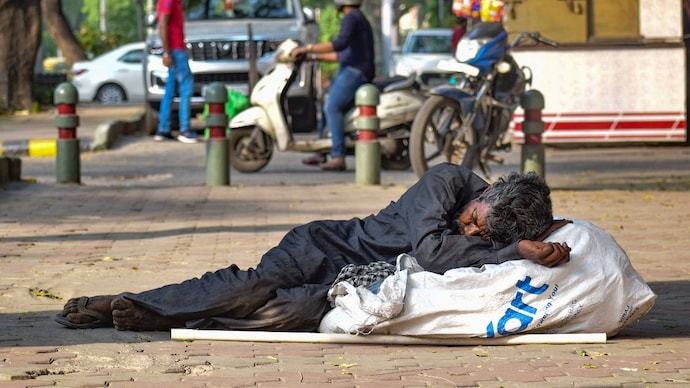
As heatwaves become more frequent and intense across the world, nearly 2 billion people lack adequate protection from dangerous heat, with India emerging as one of the countries most affected by what is called cooling poverty.
Cooling poverty is a lack of access to the resources and conditions needed to stay safe during extreme heat. This goes beyond owning an air conditioner and includes factors such as the quality of housing, access to electricity, clean water, healthcare, timely information about heat risks, and places to cool down.
People experiencing cooling poverty are more exposed to heat-related illnesses and economic hardship because they lack the means to effectively protect themselves from rising temperatures.
A new study, published in Nature Sustainability, analysed data from more than one million households across 28 countries, and found that a vast number of people experience moderate cooling poverty, while hundreds of millions face severe deprivation, leaving them vulnerable to life-threatening heat.
The findings come as India continues to grapple with increasingly frequent heatwaves, with temperatures regularly crossing 45°C in several regions during summer.
WHY IS INDIA VULNERABLE TO HEAT?
After analysing over two dozen countries, South Asia was identified as one of the world's most vulnerable regions.
According to lead author Giacomo Falchetta of the Euro-Mediterranean Center on Climate Change, countries such as India, Nepal, and Bangladesh face a combination of extreme heat, high humidity, large outdoor workforces and gaps in access to information and cooling measures.
Researchers also found that education and working conditions are among the most widespread forms of cooling deprivation.
India ranked highest in this category, with about 95% of its population living in areas affected by such challenges.
Climate activist Harjeet Singh said South Asia is “at the absolute frontlines of the climate crisis,” facing a “lethal combination” of climate risks and economic inequality. He further added that for millions of workers, particularly those employed outdoors, access to air-conditioned spaces is simply not an option.
But then, the issue is not merely about owning an air conditioner.
“The real danger does not come from climate alone,” said Aziza Mohamed of Cairo University. “It comes from the interaction between heat, poverty, housing quality, weak health services and the absence of suitable infrastructure.”
In India, vast regions face extreme heat every year, and millions remain vulnerable without adequate resources to prepare and protect themselves, while still meeting the need to earn a living in scorching temperatures. To not work would mean falling deeper into the pit of poverty.
ARE THERE SOLUTIONS TO COOLING POVERTY?
The study argues that expanding air-conditioning alone is neither sufficient nor sustainable.
Instead, experts recommend cooler building designs, reflective roofs, more urban green spaces, public cooling shelters, reliable water access and stronger protections for outdoor workers.
Chandni Singh of the Indian Institute for Human Settlements said measures such as climate-sensitive building codes and India's Cool Roofs initiatives can help reduce heat exposure.
However, she cautioned: "You cannot adapt your way out of extreme heat endlessly. There are limits to extreme heat adaptation."
As heatwaves become more frequent and intense across the world, nearly 2 billion people lack adequate protection from dangerous heat, with India emerging as one of the countries most affected by what is called cooling poverty.
Cooling poverty is a lack of access to the resources and conditions needed to stay safe during extreme heat. This goes beyond owning an air conditioner and includes factors such as the quality of housing, access to electricity, clean water, healthcare, timely information about heat risks, and places to cool down.
People experiencing cooling poverty are more exposed to heat-related illnesses and economic hardship because they lack the means to effectively protect themselves from rising temperatures.
A new study, published in Nature Sustainability, analysed data from more than one million households across 28 countries, and found that a vast number of people experience moderate cooling poverty, while hundreds of millions face severe deprivation, leaving them vulnerable to life-threatening heat.
The findings come as India continues to grapple with increasingly frequent heatwaves, with temperatures regularly crossing 45°C in several regions during summer.
WHY IS INDIA VULNERABLE TO HEAT?
After analysing over two dozen countries, South Asia was identified as one of the world's most vulnerable regions.
According to lead author Giacomo Falchetta of the Euro-Mediterranean Center on Climate Change, countries such as India, Nepal, and Bangladesh face a combination of extreme heat, high humidity, large outdoor workforces and gaps in access to information and cooling measures.
Researchers also found that education and working conditions are among the most widespread forms of cooling deprivation.
India ranked highest in this category, with about 95% of its population living in areas affected by such challenges.
Climate activist Harjeet Singh said South Asia is “at the absolute frontlines of the climate crisis,” facing a “lethal combination” of climate risks and economic inequality. He further added that for millions of workers, particularly those employed outdoors, access to air-conditioned spaces is simply not an option.
But then, the issue is not merely about owning an air conditioner.
“The real danger does not come from climate alone,” said Aziza Mohamed of Cairo University. “It comes from the interaction between heat, poverty, housing quality, weak health services and the absence of suitable infrastructure.”
In India, vast regions face extreme heat every year, and millions remain vulnerable without adequate resources to prepare and protect themselves, while still meeting the need to earn a living in scorching temperatures. To not work would mean falling deeper into the pit of poverty.
ARE THERE SOLUTIONS TO COOLING POVERTY?
The study argues that expanding air-conditioning alone is neither sufficient nor sustainable.
Instead, experts recommend cooler building designs, reflective roofs, more urban green spaces, public cooling shelters, reliable water access and stronger protections for outdoor workers.
Chandni Singh of the Indian Institute for Human Settlements said measures such as climate-sensitive building codes and India's Cool Roofs initiatives can help reduce heat exposure.
However, she cautioned: "You cannot adapt your way out of extreme heat endlessly. There are limits to extreme heat adaptation."

