It is so great to hear from Earth again: Artemis 2 Moon crew regains contact with Nasa
The four-member crew had been out of touch for approximately 40 minutes while the bulk of the Moon physically blocked all communication with Earth.
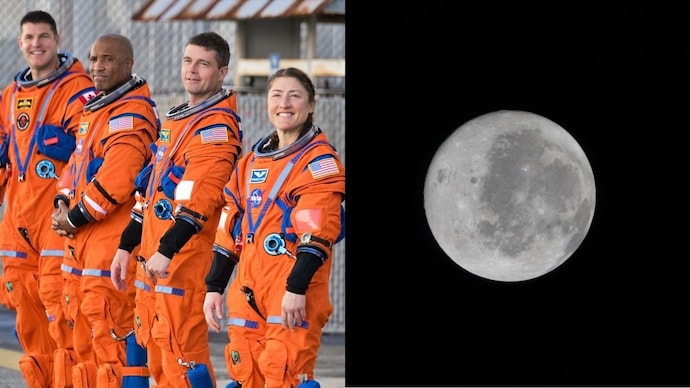
The Orion spacecraft has successfully re-established contact with Mission Control in Houston after a tense period of radio silence.
At 5:12 a.m. IST on Tuesday, April 7, the Deep Space Network picked up the first signals from the Artemis 2 capsule as it emerged from behind the lunar far side.
The four-member crew had been out of touch for approximately 40 minutes while the bulk of the Moon physically blocked all communication with Earth.
Upon regaining the link, the astronauts expressed collective relief, with one crew member stating that it is so great to hear from Earth again.
WHY DID THE MISSION GO SILENT?
The communications blackout was a planned part of the lunar flyby. As the spacecraft followed its trajectory behind the Moon, it entered what scientists call a shadow zone.
During this time, the Moon acted as a massive shield, preventing radio waves from reaching our planet.
This period of isolation is one of the most critical phases of any lunar mission because the crew must manage all spacecraft operations independently without real-time guidance from engineers on the ground.
HOW DID THE CREW HANDLE THE SILENCE?
Despite being cut off from Earth, the four astronauts remained busy with their scheduled scientific observations.
During the blackout, they transited the lunar far side, a region that remains perpetually hidden from our view.
They used this time to document the rugged terrain and monitor the health of the life-support systems inside the Orion capsule.
The spacecraft performed its gravity-assist manoeuvre perfectly, picking up the necessary velocity to begin its journey back home.
WHAT HAPPENS NOW THAT CONTACT IS BACK?
With the link restored, Nasa is now receiving a massive download of data and high-resolution imagery stored during the blackout. Engineers are currently verifying the precise trajectory of the ship to ensure it is on the correct path for a Friday splashdown.
The successful re-establishment of contact confirms that all systems survived the closest approach to the Moon, and the crew is in high spirits as they transition into the return phase of this historic journey.
The Orion spacecraft has successfully re-established contact with Mission Control in Houston after a tense period of radio silence.
At 5:12 a.m. IST on Tuesday, April 7, the Deep Space Network picked up the first signals from the Artemis 2 capsule as it emerged from behind the lunar far side.
The four-member crew had been out of touch for approximately 40 minutes while the bulk of the Moon physically blocked all communication with Earth.
Upon regaining the link, the astronauts expressed collective relief, with one crew member stating that it is so great to hear from Earth again.
WHY DID THE MISSION GO SILENT?
The communications blackout was a planned part of the lunar flyby. As the spacecraft followed its trajectory behind the Moon, it entered what scientists call a shadow zone.
During this time, the Moon acted as a massive shield, preventing radio waves from reaching our planet.
This period of isolation is one of the most critical phases of any lunar mission because the crew must manage all spacecraft operations independently without real-time guidance from engineers on the ground.
HOW DID THE CREW HANDLE THE SILENCE?
Despite being cut off from Earth, the four astronauts remained busy with their scheduled scientific observations.
During the blackout, they transited the lunar far side, a region that remains perpetually hidden from our view.
They used this time to document the rugged terrain and monitor the health of the life-support systems inside the Orion capsule.
The spacecraft performed its gravity-assist manoeuvre perfectly, picking up the necessary velocity to begin its journey back home.
WHAT HAPPENS NOW THAT CONTACT IS BACK?
With the link restored, Nasa is now receiving a massive download of data and high-resolution imagery stored during the blackout. Engineers are currently verifying the precise trajectory of the ship to ensure it is on the correct path for a Friday splashdown.
The successful re-establishment of contact confirms that all systems survived the closest approach to the Moon, and the crew is in high spirits as they transition into the return phase of this historic journey.

