
Nishtha Lamba unpacks India's silent trauma epidemic
On BOOKED, Pooja Shali spoke with Nishtha Lamba about trauma, anxiety, PTSD and healing in India. The conversation underlined how unaddressed trauma, stigma and poor access continue to shape mental health outcomes.
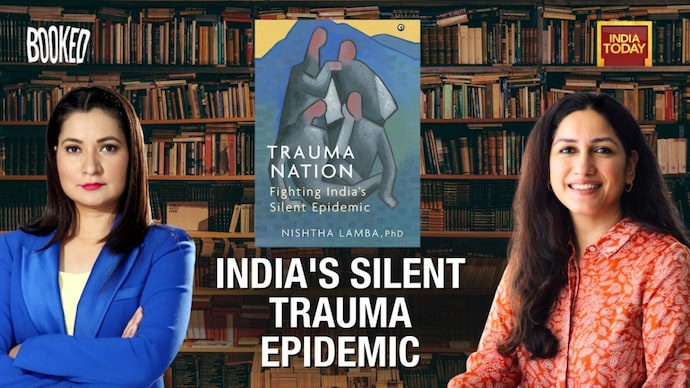

Mental health may finally be entering mainstream conversation in India, but according to Nishtha Lamba, the country is still silently carrying the weight of unaddressed trauma on a massive scale.
In the latest episode of Booked, India Today’s Pooja Shali sat down with the author of Trauma Nation: Fighting India’s Silent Epidemic for a deeply layered discussion on trauma, anxiety, PTSD, childhood wounds and emotional healing.
Calling India’s mental health situation, a “silent epidemic,” Lamba pointed to the alarming gap between mental health needs and support systems. She noted that India has roughly one psychiatrist or psychologist for nearly 3.5 lakh people, highlighting the scale of the crisis in a country where conversations around emotional suffering still carry stigma.
One of the most striking parts of the interview explored childhood trauma and how early experiences quietly shape adult life. Drawing from stories featured in her book, Lamba explained how fear, aggression, neglect or emotional instability within families can deeply affect a child’s nervous system and emotional blueprint. “Even if we don’t consciously remember childhood events, the body remembers,” she explained, adding that survival instincts developed during childhood often continue into adult relationships and emotional responses.
The conversation also broke down the differences between stress, anxiety, depression and PTSD — terms often used interchangeably. Lamba described stress as a reaction to external pressure, anxiety as persistent worry about the future, and depression as a loss of joy and engagement with life. PTSD, she said, emerges when the body and mind remain “stuck” in a traumatic experience long after the event has passed.
Importantly, the interview highlighted that trauma is not always caused by a single shocking incident. Chronic stress from toxic workplaces, domestic violence, emotional neglect or prolonged instability can also alter the nervous system over time. Lamba further discussed growing research linking trauma with autoimmune disorders and physical illnesses, reinforcing the idea that emotional pain is not “just in the mind.”
The discussion also touched upon postpartum depression, societal shame around therapy, emotional numbness, panic attacks and the importance of support systems in healing. While acknowledging the role of psychiatric medication in severe cases, Lamba emphasized body-based healing techniques such as breathwork, yoga, meditation and creative expression.
Ending the interview on a hopeful note, she reminded viewers that healing is not about becoming emotionless, but about expanding one’s “window of tolerance” — the ability to handle stress without collapsing emotionally or mentally.
For anyone silently struggling, this episode of Booked offers not just insight, but reassurance that they are not alone.