
Explained: FM Sitharaman's '3Fs' strategy amid West Asia crisis
Nirmala Sitharaman said PM Narendra Modi's call to conserve foreign exchange is very important as the Iran crisis strains India's import bill and supply chains.
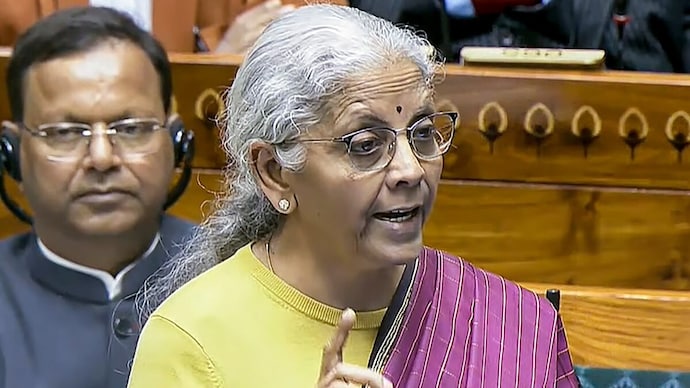

As rising tensions in West Asia continue to affect global markets, Finance Minister Nirmala Sitharaman on Monday highlighted what she called the importance of focusing on the “3Fs” — fuel, fertiliser and foreign exchange, reported Reuters. Her remarks come at a time when India is facing pressure from rising crude oil prices and supply concerns linked to the ongoing conflict in the region.
Speaking at an event in Mumbai, Sitharaman said Prime Minister Narendra Modi’s recent appeal to conserve foreign exchange should be taken seriously, especially as the country deals with growing external challenges.
WHAT ARE THE ‘3FS’?
Sitharaman said India should pay close attention to three key areas — fuel, fertiliser and foreign exchange, amid the current crisis.
According to her, the Prime Minister’s call to conserve foreign exchange is “very important” in the present situation. She said the focus on these three areas should be seen in the context of rising global uncertainty.
Earlier this month, Prime Minister Modi had urged people to avoid unnecessary fuel use, conserve foreign exchange and stay away from buying gold as part of efforts to manage economic pressure caused by rising energy costs.
WHY IS THIS BECOMING IMPORTANT NOW?
India is facing challenges due to rising crude oil prices and supply disruptions following the closure of the Strait of Hormuz during the U.S.-Israel conflict involving Iran.
Sitharaman said higher prices of crude oil, fertilisers and gold are creating pressure on India’s external sector.
India, which is the world’s third-largest importer and consumer of oil, has already seen fuel prices go up. On Monday, petrol and diesel prices were raised again, marking the fourth increase in May as oil companies tried to recover losses.
The Finance Minister also said the government’s revenue could take a hit in FY27 due to lower excise duty collections on fuel.
According to Sitharaman, the reduction in fuel excise duties is expected to impact government earnings by around 1 trillion during the financial year.
As global uncertainty continues, the government appears to be focusing on careful use of resources and managing external risks linked to energy and imports.