
Why cruise ships keep becoming hotspots for outbreaks
Recent hantavirus and norovirus outbreaks on two cruise ships have renewed scrutiny of onboard health risks. The cases have revived post-Covid anxiety about isolation and infection at sea.
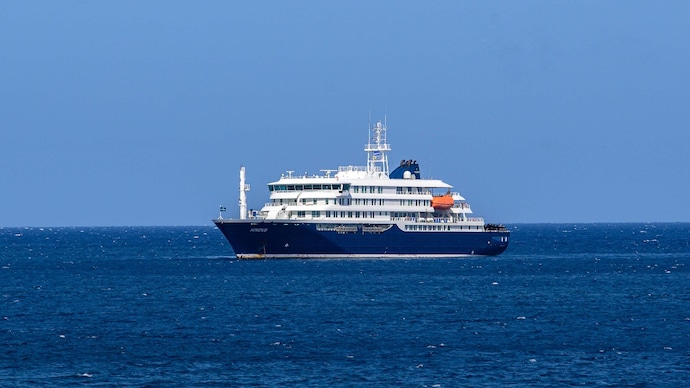

Cruise holidays are marketed as relaxing escapes at sea, but recent outbreaks of hantavirus and norovirus have once again shown how easily infections can spread onboard.
Recently, the expedition cruise ship MV Hondius made headlines after a suspected hantavirus outbreak left three passengers dead and several others ill during a voyage in the Atlantic.
Health authorities across multiple countries began tracing passengers after the ship was quarantined near Cape Verde before eventually heading to the Canary Islands.
Around the same time, another outbreak hit the Caribbean Princess cruise ship, where more than 100 passengers and crew members reportedly fell sick with norovirus, the highly contagious stomach infection, called the “vomiting bug.”
The 2020 Covid-19 outbreak on the Diamond Princess cruise ship is a great example of this, where more than 600 passengers and crew tested positive while quarantined at sea. The incident highlighted how difficult it can be to control infections in crowded and interconnected spaces.
Health experts say these incidents are not coincidences.
Cruise ships naturally create the perfect environment for infections to spread because thousands of people share the same air, dining areas, elevators, swimming pools and entertainment spaces for days at a time.
Vikram Niranjan, Assistant Professor in Public Health, School of Medicine, Health Research Institute, University of Limerick, wrote in The Conversation that a cruise ship is essentially a floating city. “Once an infection gets onboard, it can move quickly through shared surfaces and close contact," he wrote.
Norovirus is especially common on cruise ships because it spreads easily through contaminated food, buffet counters, utensils and person-to-person contact.
Symptoms usually include vomiting, diarrhoea and stomach cramps.
Respiratory infections can also spread faster in enclosed indoor spaces, particularly where ventilation is limited and passengers spend long hours together in theatres, lounges and cabins.
CLAUSTROPHOBIA AND POST-COVID ANXIETY AT SEA
The outbreaks are also reviving memories of the Covid-19 pandemic, when cruise ships became symbols of quarantine and isolation.
For some travellers, that has increased feelings of claustrophobia and anxiety associated with cruise holidays.
Some people worry about being “trapped” onboard if an outbreak happens far away from land.
Travel experts, however, argue that modern cruise ships are far more open and spacious than many imagine.
“People imagine being stuck on a ‘boat’ with nowhere to go, but cruise ships offer incredible freedom and variety,” said Donald Bucolo of EatSleepCruise.com, told The Independent.
“You can find quiet spaces to read, bustling social areas to meet people, outdoor decks to enjoy ocean views, or cozy indoor lounges. The ship becomes your home base while you wake up in different destinations,” he said.
Travellers can lower risks by washing hands regularly, avoiding crowded areas when sick and checking whether cruise operators have proper hygiene and outbreak-control systems in place.
While most voyages pass without major incidents, recent outbreaks are a reminder that shared spaces, close contact and long journeys at sea can still make cruise ships vulnerable to infectious diseases.