
Think your pillow is harmless? This study says otherwise
A new study links pillow height to changes in eye pressure during sleep. Experts say your sleeping posture may matter more than you think.
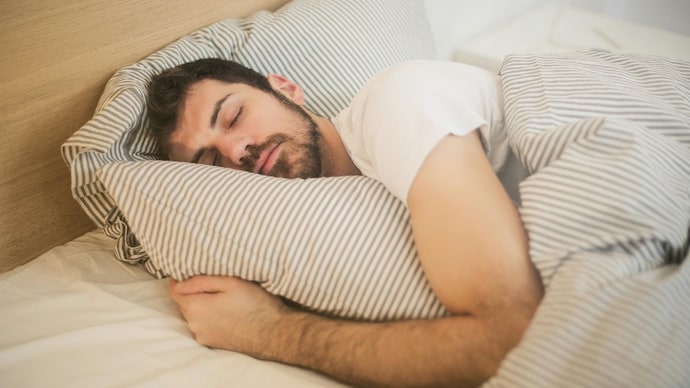

A simple change in your sleep routine, like skipping your pillow, might have a surprising impact on your eye health.
According to a new study published in the British Journal of Ophthalmology, the way you position your head at night could influence pressure inside your eyes, a key factor linked to glaucoma.
Glaucoma is one of the leading causes of irreversible blindness worldwide. It occurs when increased pressure inside the eye damages the optic nerve over time. While treatments usually focus on medication or surgery, this study highlights that something as basic as sleep posture could also play a role.
The research suggests that using multiple pillows, or sleeping with your head elevated, may increase intraocular pressure (IOP), while lying flat without a pillow could help keep it lower. Though the findings are still early, they open up a new way of thinking about everyday habits and eye health.
HOW SLEEPING POSITION AFFECTS EYE PRESSURE
The study found that raising the head during sleep can change how fluids move inside the body. When you use pillows, your neck bends at an angle. This may compress the jugular veins, which are responsible for carrying blood away from the brain.
When these veins are compressed, it can interfere with the drainage of a fluid in the eye called aqueous humor. This fluid helps maintain the eye’s shape and pressure. If it doesn’t drain properly, pressure inside the eye may increase.
Researchers observed that intraocular pressure naturally rises when you lie down compared to sitting upright. However, elevating the head with pillows appeared to increase it even further in many cases.
WHAT THE STUDY FOUND
The study involved 144 adults diagnosed with different types of glaucoma. Participants were monitored over 24 hours, with eye pressure measured every two hours in different positions.
When participants lay flat without a pillow, their average eye pressure was lower. But when their heads were elevated using two pillows, about 67% of them showed a noticeable increase in eye pressure.
On average, eye pressure rose by around 1.61 mm Hg when pillows were used. While this increase may seem small, even slight changes in pressure can matter for people already at risk of glaucoma.
The study also found that blood flow to the eyes, measured as ocular perfusion pressure, decreased when pillows were used. This could mean less oxygen and nutrients reaching eye tissues.
WHO IS MOST AFFECTED?
Interestingly, younger participants in the study showed a greater increase in eye pressure compared to older adults. People with primary open-angle glaucoma, the most common type, were also more likely to experience higher pressure with elevated head positions.
To better understand why this happens, researchers also studied healthy volunteers. They found that pillow use narrowed the jugular veins and increased blood flow speed, supporting the idea that neck position affects circulation and eye pressure.
WHAT THIS MEANS TO YOU
Experts say these findings are important but should be taken with caution. The study was observational, meaning it cannot prove that pillows directly cause increased eye pressure.
However, it does suggest that sleep posture could be a simple, non-invasive way to support eye health—especially for people already diagnosed with glaucoma.
Doctors currently rely on medications, laser treatments, or surgery to manage eye pressure. But adjusting how you sleep could become an additional step in managing the condition.
SHOULD YOU STOP USING A PILLOW?
Not necessarily. Sleep comfort and spinal alignment are also important for overall health. Completely removing your pillow may not be suitable for everyone, especially those with neck or back issues.
Instead, experts suggest avoiding very high pillows or extreme neck angles during sleep. A moderate, neutral position that keeps your neck aligned may be a better option.
This study sheds light on how small lifestyle habits can have unexpected effects on health. While more research is needed, it highlights the importance of paying attention to sleep posture, not just for comfort, but possibly for protecting your vision as well.
If you have glaucoma or concerns about eye pressure, it’s always best to consult an eye specialist before making changes to your routine.