
Why hantavirus, norovirus outbreaks are triggering post-Covid PTSD
Fresh reports of cruise ship outbreaks are reviving Covid-era anxieties, with a Delhi doctor explaining which fears are justified. He said enclosed settings can speed up infections, but preparation and basic precautions still make cruises manageable.
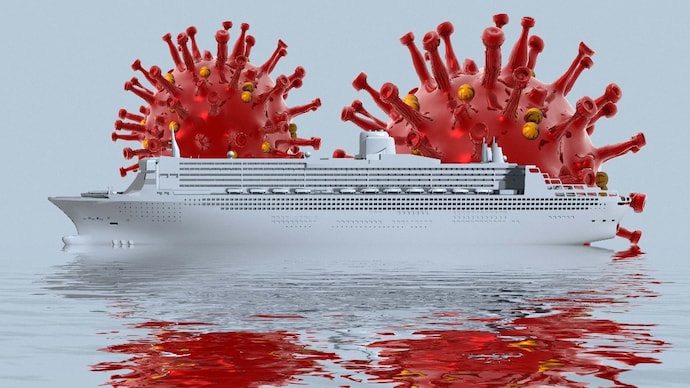

Years after the Covid-19 pandemic changed the way people think about infections, fresh reports of outbreaks linked to cruise ships are reviving old fears.
Conversations around hantavirus and norovirus outbreaks are not just a tad bit alarming, but also triggering memories of lockdowns, quarantine, and the uncertainty people experienced during Covid.
This anxiety is understandable, especially when outbreaks happen in enclosed environments like cruise ships, where infections can spread quickly.
According to Dr. Gaurav Jain, Senior Consultant, Internal Medicine, Dharamshila Narayana Superspeciality Hospital, Delhi, some fears surrounding cruise travel are medically valid, while others are simply exaggerated.
“Cruise ships can be viewed as closed communities, in which people reside, eat and socialise within a small area for long periods of time. There's a heightened risk of spreading in such environments if just one individual is infected with a highly contagious infection,” he said.
Why cruise outbreaks worry people more after Covid
Outbreaks on ships can psychologically resemble the early days of Covid because of the fear of rapid spread in enclosed settings.
Images of isolation cabins, masked passengers, and confined spaces could revive pandemic-related stress in many people.
Norovirus, one of the most common infections reported on cruise ships, spreads very easily through contaminated food, surfaces, droplets, and person-to-person contact.
Symptoms usually include vomiting, diarrhoea, stomach pain, nausea, and weakness.
Dr. Jain explained that cruise ships naturally create conditions that help such viruses spread faster because of “high population density, shared meal areas and toilets, air-conditioned spaces and frequent social gatherings.”
He added that delays in identifying infections can worsen outbreaks at sea. “Not all ships have trained physicians or infectious disease specialists who can detect outbreaks early. Early diagnosis and isolation can help to control the spread of infection on land, but at sea, delays may permit infections to spread widely before containment can take place,” he said.
Fear versus reality
While infections are a genuine concern, some fears have become amplified after Covid.
For example, seasickness is mistaken as a major medical threat. Dr. Jain clarified that it is “not a disease or infection,” but a temporary balance-related problem that usually improves as the body adjusts to sea movement.
At the same time, conditions like claustrophobia, panic attacks, anxiety disorders, and motion sensitivity can become worse during cruise travel, particularly for people uncomfortable in crowded or enclosed spaces.
“Claustrophobia or panic attacks can occur in a person who is sensitive to situations involving crowding or large groups of people,” Dr. Jain said.
Older adults and people with heart disease, diabetes, respiratory illnesses, or neurological conditions should take extra precautions before travelling, he advised.
How travellers can stay safe
Simple preventive measures instead of panic.
Regular handwashing, reporting symptoms early, avoiding crowded areas during outbreaks, and maintaining food hygiene remain the most effective ways to reduce risk.
Travellers are also advised to consult their doctor before long cruises, carry enough medicines, keep medical records accessible, and ensure vaccinations are up-to-date.
“With awareness and preparation, cruise holidays can be safe, fun, and informative,” Dr. Jain said.