
The Indian pot belly is more than weight gain. It's metabolic
Indian men may look lean overall but still carry dangerous abdominal fat. Doctors say the growing "potbelly problem" is linked to genetics, lifestyle habits and rising metabolic health risks.
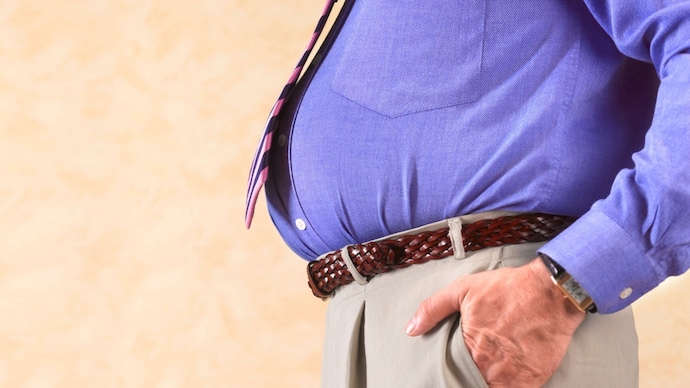

It's a common sight on market streets, at tea stalls, in office corridors, in almost every corner of the country: men with thin arms, thin legs, but a pronounced belly pushing through their shirts.
It is usually brushed off as simple weight gain or ageing. But doctors say the pot belly is increasingly becoming a visible sign of deeper metabolic problems that may have been building silently across generations.
According to Dr. Sharwari D Dua, Consultant Physician and Endocrinologist at Fortis La Femme, New Delhi, Indian men are genetically more prone to storing fat around the abdomen compared to many other populations.
She explains, for any given BMI (Body Mass Index), South Asians, especially Indians have an excessive tendency to accumulate fat, a phenomenon commonly called ‘thin-fat’.
Compared to other ethnic groups, Indian men tend to have a higher waist circumference and waist-to-hip ratio, which indicates greater visceral fat accumulation. Visceral fat is the fat stored deep inside the abdomen around internal organs.
This also means that BMI alone doesn't accurately reflect metabolic health in Indian men. A person may fall within a “normal” weight range and still have unhealthy fat accumulation around the stomach.
POT BELLY VS BLOATING: WHAT IS THE DIFFERENCE?
Many people confuse temporary bloating with dangerous abdominal fat. Bloating is often caused by digestive issues, gas, overeating or food intolerance and may fluctuate during the day.
Potbelly fat, however, develops gradually and remains persistent. Doctors warn that this type of fat is more dangerous because it is closely linked to metabolic disorders.
Dr. Dua highlights that a large section of Indians fall under what experts call the MONO phenotype – “Metabolically Obese, Non-Obese.” These individuals appear visibly obese but still carry high metabolic risk.
This population is particularly at higher risk of insulin resistance, Type 2 diabetes, hypertension, heart disease, dyslipidaemia and chronic kidney disease.
WHY LIFESTYLE IS MAKING THE PROBLEM WORSE
Genetics increase the tendency, but modern lifestyle habits are accelerating the problem.
Inactive lifestyle routines, high-calorie diets, stress, poor sleep, alcohol consumption and lack of physical activity all contribute to fat accumulation around the abdomen.
South Asians have a lower capacity to store fat under the skin. As calorie intake increases, the body starts storing excess fat in areas around vital organs such as the liver, intestine, kidneys and heart.
This is why even men who do not appear visibly obese may still develop abdominal fat and metabolic complications.
WHY ABDOMINAL FAT IS MORE DANGEROUS THAN FAT ELSEWHERE
Unlike fat stored under the skin, visceral fat is metabolically active and strongly associated with lifestyle diseases.
Doctors warn that excess abdominal fat increases the risk of:
- Type 2 diabetes
- High blood pressure
- Fatty liver disease
- Heart disease
- High cholesterol
- Insulin resistance
Because of the higher risk among Asians, the World Health Organization modified BMI cut-offs for Asian populations. According to the revised guidelines, a BMI above 23 is considered overweight and above 25 is classified as obese for Asians.
WHAT INDIAN MEN SHOULD DO
The doctor suggests relying only on body weight or BMI is not enough.
Normal BMI cannot be assumed metabolically healthy.
Dr. Dua advised that waist circumference, blood sugar levels, lipid profile and markers of insulin resistance should be monitored regularly, especially in people with abdominal fat.
Experts also recommend:
- Increasing daily movement
- Strength training and regular exercise
- Reducing ultra-processed and high-calorie foods
- Improving sleep quality
- Managing stress
- Eating a balanced & protein-rich diet
While potbellies are often normalised among Indian men, doctors warn that persistent abdominal fat may be an early sign of underlying metabolic disease that should not be ignored.