Advertisement

Weight-loss drugs to get cheaper in India from March 21

The patent for Semaglutide, the active ingredient in blockbuster weight-loss drugs like Ozempic and Wegovy, expired on March 20, triggering a dramatic price crash in India. From March 21, weight loss injections that currently cost Rs 9,000 to Rs 28,000 per month will drop to just Rs 3,000-4,000 per month, a reduction of 70 per cent. Following the patent expiry, 54 branded generic versions are set to flood the market immediately, with major Indian pharma companies planning day-one launches. Semaglutide works by mimicking natural hormones to reduce hunger, slow stomach emptying, and improve blood sugar control. However, experts stress these are powerful metabolic medicines meant only for clinically obese patients, not beauty treatments. Only endocrinologists or internal medicine specialists should prescribe them after comprehensive tests. The patent expiry applies only to Semaglutide; Tirzepatide, found in drugs like Mounjaro and Zydus's product, remains under patent protection and will not see price reductions.

Read More

VIDEOS FROM OTHER SECTIONS

LATEST VIDEOS

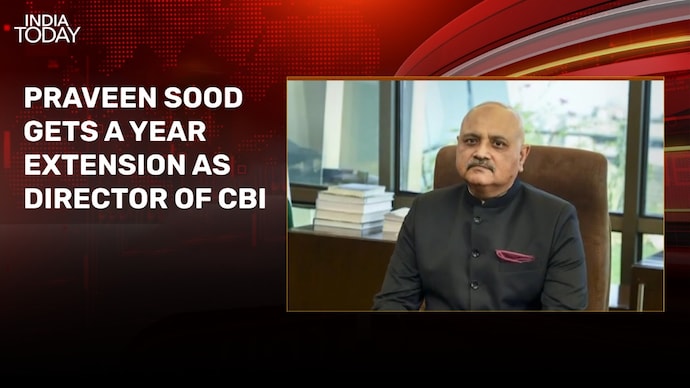
CBI Director Praveen Sood gets one-year extension

The Central Bureau of Investigation Director has received a one-year extension, continuing in the role until May next year. The decision was made by a high-power committee comprising the Prime Minister, the Chief Justice of India, and the Leader of Opposition.

advertisement

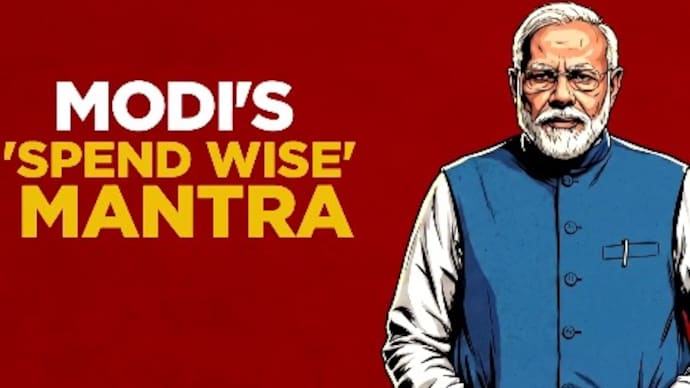
PM Modi cuts down convoy size: Is government preparing country for tough times?

The central government has implemented austerity measures, including reducing ministerial convoys to two vehicles, in response to a looming fuel crisis driven by West Asian geopolitical tensions. While the ruling party frames this as a necessary fiscal step, opposition leaders have labeled the move tokenism, demanding a special parliamentary session to address the economic situation and rising oil prices. Simultaneously, the national currency has depreciated to an all-time low against the dollar, prompting calls from experts for fiscal consolidation and reduced political populism. Amidst these economic challenges, a major controversy has emerged regarding the national medical entrance examination. Investigations into an alleged paper leak and an interstate exam mafia have resulted in multiple arrests across several states, revealing potential political links. Education experts are now advocating for a complete overhaul of the testing system, suggesting decentralized, computer-based examinations to ensure future transparency. Transparency activists further urge the government to disclose fuel stock data to prevent public panic and hoarding during this period of economic instability.