
Melting shoes, burned skin: How an unusually hot summer threatens Indians
Doctors warn the progression from a mild heatstroke to a medical emergency can be rapid and fatal. The essential dos and don'ts
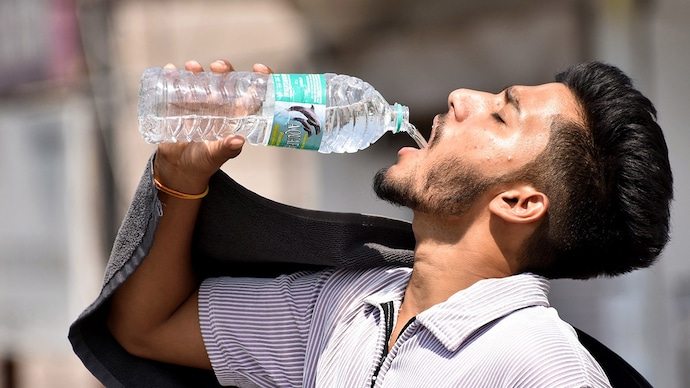

 ‘Hot’ is an understatement this Indian summer. Across cities, roads shimmer, metal burns to the touch, and stepping outdoors has begun to carry real risk. Doctors say this is not just another summer. The intensity and duration of heatwaves are beginning to show up in unexpected ways inside their clinics.
One such case has stayed with physicians this season. In New Delhi, 38-year-old management consultant Rajesh Kumar stepped out for a short afternoon walk between meetings. Within minutes, he began to feel a sharp, unfamiliar heat rising through his shoes.
By the time he reached for some shade, the soles had partially softened and warped from the heat radiating off the asphalt. He escaped with minor burns, but doctors say such cases are no longer rare. Heat is not only exhausting the body; it is altering the environment people move through.
Hospitals are also reporting unusual presentations. Patients are coming in with contact burns from metal surfaces, severe dehydration without the typical warning signs, and sudden confusion linked to prolonged exposure. The body’s response to extreme heat is becoming less predictable, especially when exposure is continuous and recovery time is limited.
“Heat-related illnesses include heat cramps, heat exhaustion and heatstroke,” says Dr Rommel Tickoo, director-internal medicine at Max Super Speciality Hospital, Saket, New Delhi. “Heat cramps present as muscle cramps with sweating. Heat exhaustion causes weakness, dizziness, nausea and heavy sweating. Heatstroke is an emergency, marked by high fever, confusion and sometimes unconsciousness.”
The progression from mild symptoms to a medical emergency can be rapid. Many patients underestimate the warning signs, especially when they continue working outdoors or delay hydration. Doctors emphasise that heatstroke is not simply “feeling very hot”. It is a failure of the body’s ability to regulate temperature, and requires immediate intervention.
Management, however, remains straightforward if acted upon early. “Move to a cool place, give fluids like ORS, water or coconut water, and use cooling methods such as fans or wet cloth. Heatstroke requires urgent hospital care,” says Dr Tickoo.
Prevention is the best precaution. “Drink plenty of fluids, at least three litres a day. Avoid stepping out between 12 pm and 4 pm. Wear loose, light cotton clothes. Eat light, hydrating foods such as fruits, curd and buttermilk,” he says.
Doctors are also urging people to recognise the danger signs quickly. “Seek medical help if there is confusion or drowsiness, persistent vomiting, very high fever or reduced urine output,” says Dr Tickoo.
As heatwaves intensify, what was once considered seasonal discomfort is now a public health concern. The risks are no longer limited to dehydration or fatigue. They are showing up in melted footwear, burned skin and overwhelmed emergency rooms. Heat is a new normal wherein even a short walk outside can turn hazardous.
Subscribe to India Today Magazine