

Virtual hearings, 2-day WFH, carpool for judges: SC joins PM's save fuel push
After PM Modi's appeal to conserve fuel amid the West Asia crisis, the Supreme Court introduced virtual hearings, work-from-home arrangements and car-pooling measures to improve fuel efficiency and optimise administrative functioning.
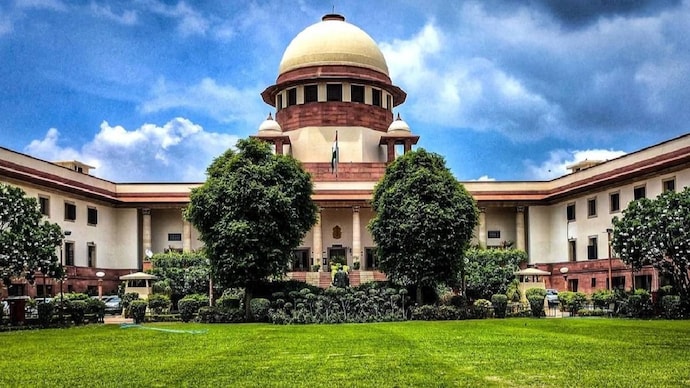


In line with the Centre's push to reduce fuel consumption amid the ongoing West Asia crisis, the Supreme Court on Friday rolled out a series of measures aimed at conserving fuel and improving resource utilisation, including virtual hearings, work-from-home arrangements and car-pooling among judges.
According to a detailed circular issued by Supreme Court Secretary General Bharat Parashar, the new measures have come into immediate effect following an Office Memorandum issued by the Department of Personnel and Training (DoPT) on May 12, 2026.
Under the revised system, hearings on "miscellaneous days" -- including Mondays, Fridays and other designated days -- will now be conducted exclusively through video conferencing. Cases listed during partial working days, including court functioning during summer vacations and other recess periods, will also be heard only virtually.
The circular directed the registry to ensure that video conferencing links are shared on time and that all technical arrangements remain seamless so that judicial proceedings are not disrupted.
As part of the fuel-saving measures, Supreme Court judges have also agreed to encourage car-pooling for official travel to ensure better fuel utilisation.
The court administration has additionally allowed up to 50 per cent of registry staff in each branch or section to work from home for two days a week. However, the remaining staff will continue to attend the office physically to ensure uninterrupted functioning of the court registry.
Registrars have been asked to prepare weekly rosters, monitor staff availability and ensure timely disposal of work. The circular also stated that employees working remotely can be called to the office immediately if required. In cases where the work-from-home arrangement is found to be ineffective in any branch, the concerned registrar has been empowered to restrict or modify the arrangement.
The Supreme Court said the measures were intended to improve administrative efficiency while ensuring optimal use of resources.
The move came days after Prime Minister Narendra Modi called for austerity measures in view of economic pressures arising from the ongoing conflict in the Middle East. PM Modi had urged citizens and institutions to reduce petrol and diesel consumption, limit purchase of gold, use metro rail services, promote car-pooling, rely more on electric vehicles and adopt work-from-home practices wherever possible.
The Prime Minister had also advocated greater use of railway networks for parcel movement to reduce fuel-intensive transport costs and conserve foreign exchange. He also urged Indians to avoid unnecessary foreign travels and rather explore domestic destinations.
Soon after the appeal, the Prime Minister himself reduced the size of his convoy during recent domestic visits, while maintaining essential security requirements under Special Protection Group (SPG) protocols. Several BJP-ruled states and leaders have since begun adopting similar cost-saving and fuel-conservation measures.
Government sources have maintained that the austerity push is aimed at spending resources more efficiently rather than cutting expenditure, stressing that there has been no reduction in welfare spending, subsidies or capital expenditure.