
What happens to trains after retirement?
What really happens when trains retire? From dismantling to reuse, here's a simple look at the life after service, using real insights into how old trains are handled.
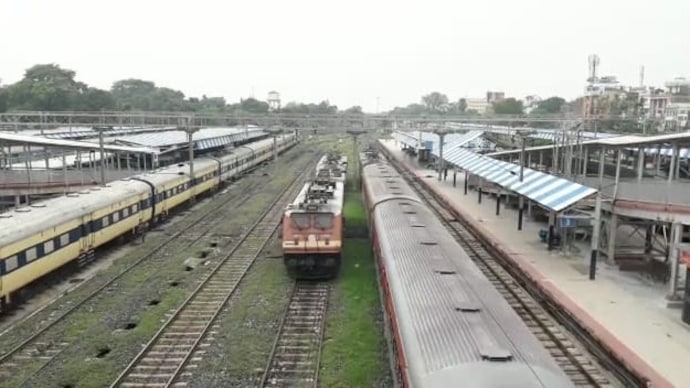

What happens when trains retire? It’s a question many travellers don’t think about while rushing to catch the next ride. But trains, like any machine, don’t run forever. Over time, they wear out, become costly to maintain, or get replaced by faster and more modern models. The process of train retirement is more practical than dramatic.
Old coaches don’t just disappear, they are either dismantled, repurposed, or sometimes even given a second life in different roles. Here’s a simple breakdown of what happens after a train’s last ride and how the railway system deals with ageing rolling stock.
WHY TRAINS RETIRE
Trains retire mainly due to age, safety concerns, and rising maintenance costs. As newer models come in, older trains may not meet modern standards. Repairs also become more expensive over time, making it less practical to keep them running.
WHAT HAPPENS AFTER THE LAST RIDE
Once a train completes its final journey, it is taken out of active service. It is then inspected to decide its next step. Some parts may still be in good condition, while others are no longer usable.
DISMANTLING AND RECYCLING
A common step in train retirement is dismantling. Coaches and engines are taken apart, and usable materials like metal are recycled. This helps reduce waste and recover value from old trains.
REUSE OF PARTS
Not everything goes to scrap. Many components such as seats, wheels, and electrical systems are reused in other trains. This helps cut costs and makes use of still-functional parts.
SECOND LIFE FOR OLD COACHES
Some retired train coaches find new uses. They may be converted into offices, storage units, or even cafes in certain cases. This gives them a new purpose instead of being completely discarded.
ALSO READ: How to book pet box on Vande Bharat sleeper train
PRESERVATION AND HERITAGE
A small number of trains are preserved for historical reasons. These are kept in museums or used for special heritage rides, allowing people to experience older styles of travel.
The process of train retirement is not just about ending service, it’s about reuse, recycling, and making room for better technology. The next time you board a train, remember that even these powerful machines have a life cycle, and their journey doesn’t truly end after retirement.