
Thin vs thick pizza crust: Taste, texture and calories compared
Thin crust or thick crust? Your pizza choice changes everything from texture and flavour to calorie count. Here's a simple breakdown of what really separates the two popular pizza styles.
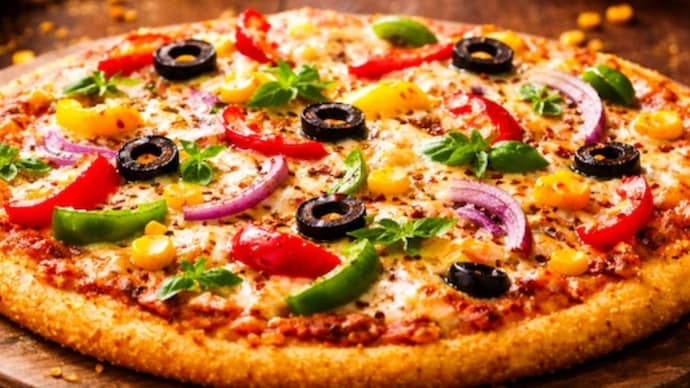

Pizza debates can get surprisingly serious, and one of the biggest arguments always comes down to crust. Some people swear by the crispy bite of a thin crust pizza, while others want the soft, fluffy comfort of a thick crust loaded with cheese and toppings.
But beyond taste, the crust also changes the texture, calorie count and even how flavours come through.
Whether you are ordering takeaway, making pizza at home or trying to pick the healthier option, understanding the difference between thin and thick crust pizza can make the choice much easier.
TASTE AND TEXTURE DIFFERENCES
Thin crust pizza is usually crispier and lighter. Because there is less dough, the sauce, cheese and toppings often stand out more clearly. The base cooks faster and develops a crunchy texture, especially in wood-fired or stone-baked pizzas.
Many classic Italian pizzas use thin crusts because they allow simple ingredients to shine without feeling too heavy.
Thick crust pizza creates a very different experience. The dough is softer, chewier and more filling. Styles like pan pizza and deep-dish pizza rely on a thick base to hold extra cheese, sauce and toppings.
The crust itself becomes a major part of the flavour instead of just supporting the toppings.
People who enjoy a bread-like texture often prefer thick crust pizzas for their rich and comforting feel.
WHICH ONE HAS MORE CALORIES?
In most cases, thick crust pizza contains more calories because it uses more dough. Extra dough means higher carbohydrate content and often more oil or butter as well.
A regular slice of thin crust pizza can contain noticeably fewer calories compared to a thick crust slice with the same toppings. However, toppings still matter. A thin crust pizza overloaded with cheese and processed meats can easily become heavier than a simpler thick crust option.
Portion size also changes the equation. People often eat more slices of thin crust pizza because it feels lighter.THIN VS THICK: WHAT REALLY CHANGES?
WHICH CRUST IS HEALTHIER?
There is no single winner. Thin crust pizza is often seen as the lighter option because it contains less dough and fewer calories per slice. It may suit people trying to cut back on carbohydrates.
Thick crust pizza, however, can feel more satisfying and filling, which may help some people avoid overeating.
The healthier choice usually depends on ingredients, portion size and how often pizza is eaten rather than the crust alone.
ALSO READ: Delhi, Gurugram and this unexpected Indian city on Asia-Pacific top 50 pizza list
THE FINAL SLICE
At the end of the day, the best pizza crust comes down to personal preference. Thin crust offers crunch, lighter bites and stronger topping flavours. Thick crust delivers softness, comfort and a more filling meal.
For pizza lovers, there is probably room for both on the table.