
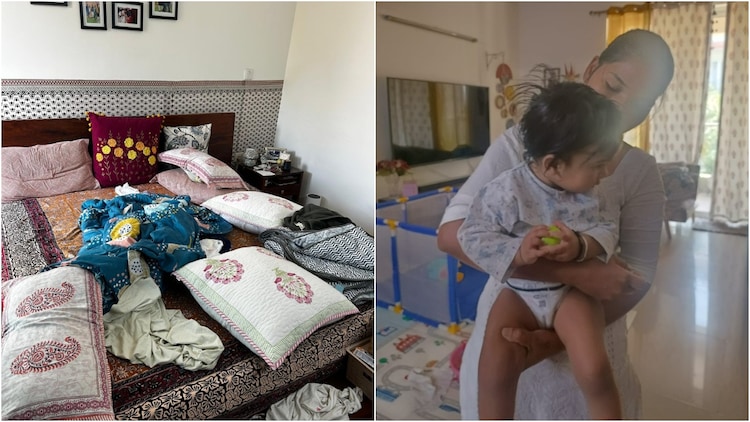
One vote in Bengal, and Delhi-NCR is back to Covid chore days
Cleaning, washing, cooking, the list is never-ending for residents of not just Delhi-NCR but beyond, who are having a hard time juggling work and home with their house help having gone to Bengal to cast their vote.
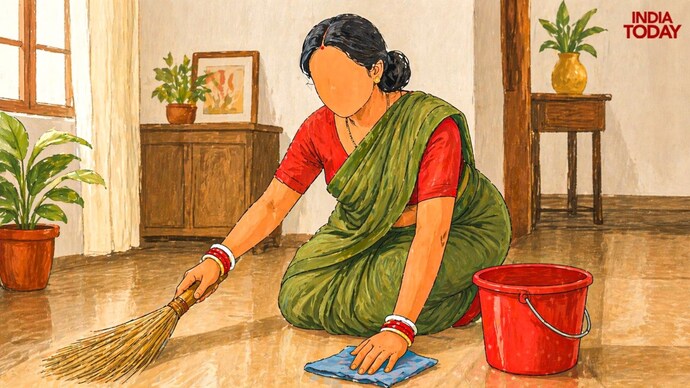
The house help crisis maybe temporary but it is real. (Photo: Generative AI/Vani Gupta)

New Delhi,UPDATED: Apr 24, 2026 11:58 IST
We weren’t expecting this kind of deja vu.
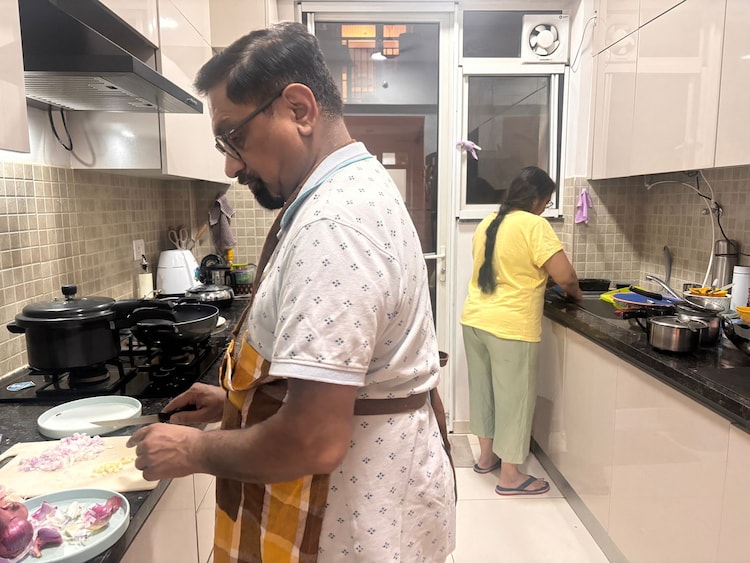
Yet, across Delhi-NCR—and in pockets of Mumbai and Bengaluru, households are slipping back into a rhythm many had hoped was firmly in the past: early mornings spent chopping vegetables, hurried sweeping before work, and late-night dishwashing after a full day at the office. Not because of a pandemic this time, but because of an election.
The ongoing Assembly polls in West Bengal have triggered a familiar urban crisis: a sudden exodus of domestic workers returning home to cast their vote. In cities that run, quietly but decisively, on this invisible workforce, the absence is immediate and disruptive.
The result? A scramble for alternatives, and a surge in demand for 10-minute house help services that are anything but instant at the moment.
Bengal polls, urban homes, and a very real ripple effect
For Gurugram’s Sushmita Marik, 32, an L&D specialist (learning and development), the timing couldn’t have been worse.
A new mother navigating her return to work, she is also caring for her ageing parents, one of whom was recently hospitalised. When her domestic help from West Bengal’s Jaugram left for what was supposed to be a 15-day trip back home, the delicate balance collapsed.
“Jetei hobe nahole naam kete debe (We have to go, or our names will be struck off),” her help had said before leaving.
“I’ve just resumed office after my delivery, and I feel guilty asking for leave again, this time because my help is away,” Sushmita says. “Managing a household of five has meant taking days off just to clean and do the dishes. My mother wants to help, but you don’t want your elderly parent doing this.”
Like many others, she has turned to quick house help platforms. “They help, but only if you plan ahead. Getting a slot the same day is almost impossible.”
Numerous videos on Instagram have gone viral, and if you ask what’s common in these clips, it’s the haplessness of people—especially women—in trying to fill in for their house help. They are cooking, cleaning, and also managing work, which is taking a toll on their body and mind.
The illusion of convenience
There is a quiet irony here.
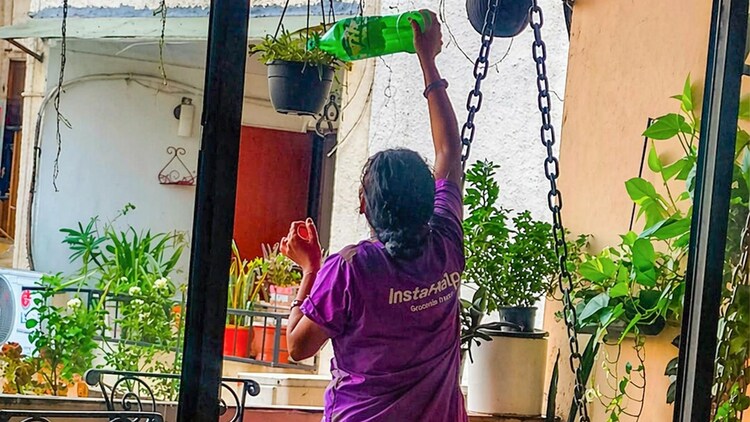
The rise of on-demand domestic help platforms, apps promising cleaning, cooking, or dishwashing within minutes, was meant to cushion exactly this kind of disruption. But as demand spikes, their limitations are showing.
Morning and evening slots, the most sought-after, are nearly impossible to secure. Afternoon slots remain the only relatively accessible option, which defeats the purpose for most working households.
Despite this, companies maintain that supply isn’t an issue. Their workers on the ground tell a different story.
“Yes, there is a crunch. We’ve been told not to take leave,” says Rimpy, a worker associated with one of these apps tells India Today Digital.
Not quite like Covid because something is missing
The comparison to the pandemic is inevitable, but incomplete.
Back then, households were doing it all too. But there was a crucial buffer: work-from-home.
That cushion is gone.
“During Covid-19, we managed because we were at home,” says Sukumar Das, a marketing professional and father of one. “Now, my wife and I wake up at 5:30 am, cook, clean, pack lunch, and then leave for work by 8:30 am. Some days, by the time I reach office, I already feel exhausted.”
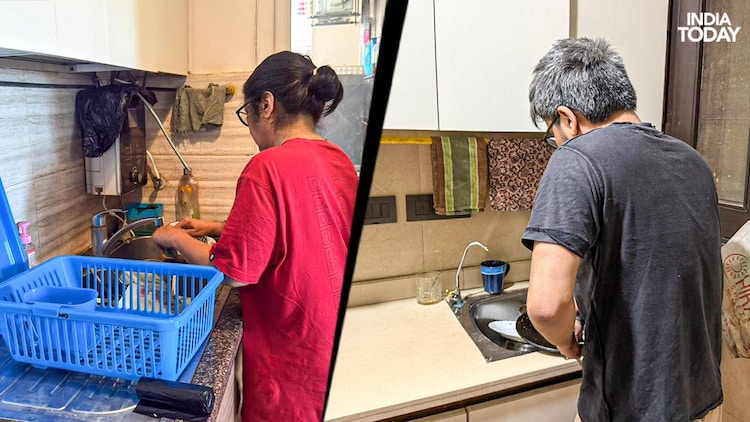
“Asking for a leave or half day to help wife with household chores is embarrassing. So tell me, how do I manage?” he adds.
A crisis that travels beyond Delhi-NCR
This is not just a Delhi story.
In Bengaluru, Reneeta Sinha is bracing for a similar disruption as her twins’ nanny prepares to leave for Kolkata to vote.
“I’m relieved she’s arranged a replacement, but she’s said it could be a week or longer. There’s no certainty about when she returns,” she says. Others in her society in Whitefield are also looking at a similar crunch.
Many house helps are taking extended leave, often a month or more. The reasons are layered, and telling.
“Bari banabo ebar giye (We’ll start building a house this time),” says one.
Another is more blunt: “Vote na dile boleche amra nagorik thakbo na (If we don’t vote, we have been told we won’t be citizens anymore).”
And then there’s welfare anxiety. “Lokkhi Bhandar er taka pabo na vote na dile (We won’t get the Lokkhi Bhandar money if we don’t vote).”
The Lokkhi Bhandar scheme, offering monthly financial assistance to women, has become a significant incentive, and for many, a necessity to travel back home to cast their vote.
The invisible backbone
For now, though, homes are running on makeshift systems, shared Google calendars for chores, alarms set earlier than usual, and a quiet recalibration of what “manageable” looks like.
Everyone knows this is temporary. The helps will return, routines will reset, and the apps will go back to being a convenience rather than a lifeline.
But for a few weeks, at least, urban India has had to confront a simple truth: there is nothing “minor” about the work that keeps a home running.
- Ends