
5 popular hill stations in India that are best avoided during peak summer rush
A heatwave-driven tourist rush has clogged major hill stations with long traffic snarls and overcrowding. The scenes have highlighted how fragile mountain-town infrastructure becomes under peak-season pressure.
Hill stations in India are grappling with uncontrolled traffic, overtourism and more (Photo: Pexels)

New Delhi,UPDATED: May 29, 2026 13:31 IST
There was a time when a hill-station vacation meant pine-scented air, quiet walks, steaming cups of chai with mountain views, and finally escaping the chaos of city life.
Now? It increasingly means spending six hours in bumper-to-bumper traffic while wondering whether you should have just stayed back in Delhi with the AC on.
As north India and other parts of the country sizzle under an unforgiving heatwave, lakhs of people are rushing to the hills in search of respite. But somewhere along the way, India’s beloved hill stations have started feeling less like peaceful retreats and more like vertical traffic jams with better weather. And honestly, social media is flooded with proof.
So, this summer season, even if the mercury hits a record high, try avoiding these places because, for what you know, these places are already troubled by overcrowding due to tourist influx or worst, traffic jams.
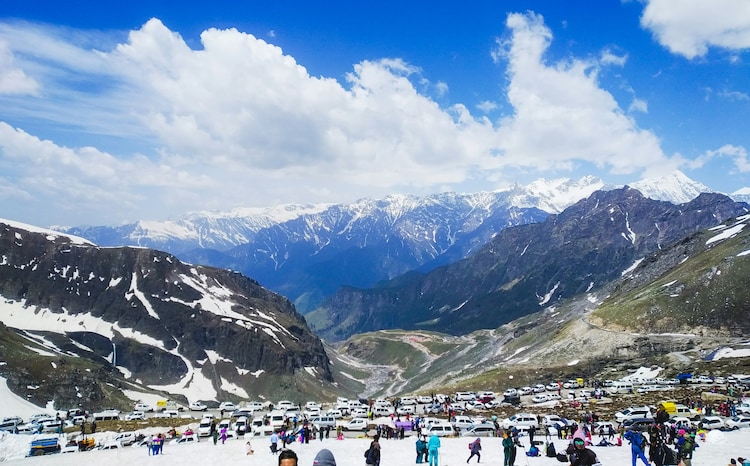
Manali
Very few hill stations capture India’s overtourism crisis better than Manali.
A viral video this summer showing what users claimed was a 10-km traffic jam left the internet collectively asking: “Vacation ya punishment?”
And honestly, this is not even new for Manali.
Earlier this year, thousands of tourists reportedly remained stranded for hours during a massive traffic pile-up caused by snow tourism and icy roads. In some cases, travellers reportedly abandoned vehicles and dragged trolley bags through frozen roads after spending nearly 10 hours stuck in traffic for a 15-km stretch.
The problem is partly geographical and partly cultural. Manali has transformed from a laid-back mountain town into a year-round tourism magnet for honeymooners, bikers, influencers, workcation crowds and family travellers — all arriving simultaneously.
And the roads simply cannot cope.
Shimla
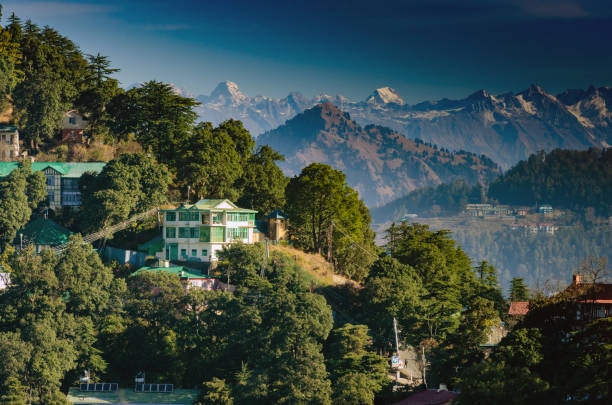
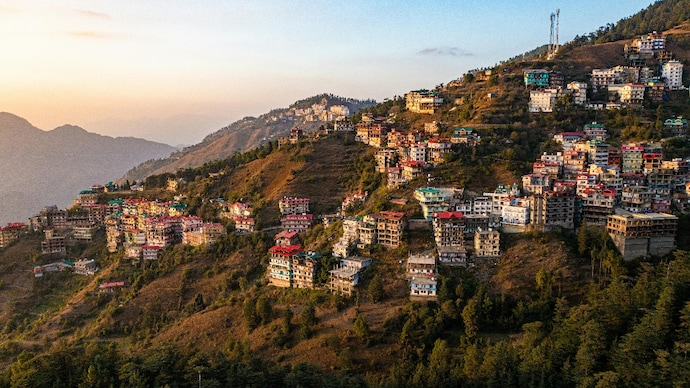
Shimla’s summer tourist rush has officially reached alarming levels.
According to PTI, nearly 70,000 vehicles entered Shimla within just 72 hours as tourists escaped the scorching plains. Officials also said over 6.3 lakh vehicles reached the city in less than a month.
The issue is not hard to understand. Shimla’s roads were never designed for modern traffic volumes. The colonial-era town still relies on narrow mountain roads, limited parking and steep terrain. Add long weekends, hotel demand and snow-point tourism into the mix, and the city often slows to a crawl.
The Dhalli-Kufri stretch, in particular, has repeatedly emerged as a major bottleneck.
Ironically, many tourists trying to “escape city stress” end up spending hours trapped inside cars inhaling exhaust fumes on mountain roads.
Darjeeling
Darjeeling still looks postcard-perfect in photographs. But peak tourist season tells a more chaotic story on the ground.
Tourists from all over the country come to this hill station all year round, but this summer the town has reportedly been grappling not just with severe traffic snarls but even water shortages amid the tourist rush.
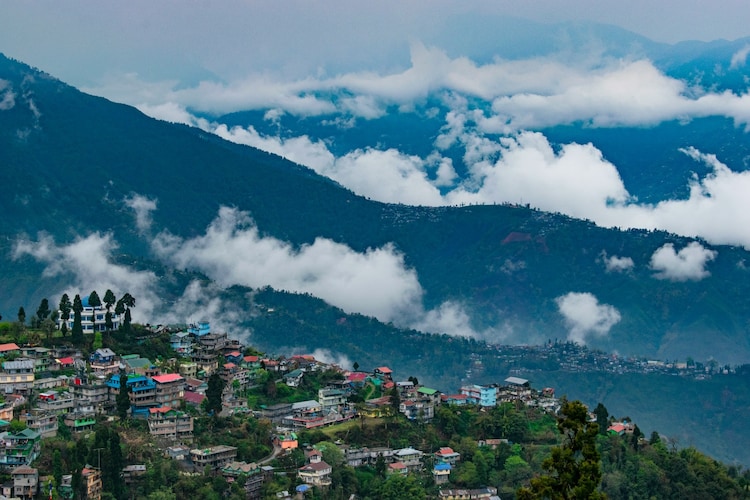
Locals say travel times between New Jalpaiguri station and Darjeeling now routinely stretch far beyond what they once did during peak season.
The town’s infrastructure faces obvious pressure. Steep roads, limited parking, old transport systems and concentrated tourism around spots like Chowrasta, Tiger Hill and Mall Road create daily bottlenecks.
Even public transport systems have started feeling the strain. The Darjeeling Himalayan Railway recently proposed special student services partly because worsening traffic and vehicle shortages were affecting school commutes.
And yet, tourists keep pouring in.
Mussoorie
Mussoorie’s biggest problem may actually be its convenience.
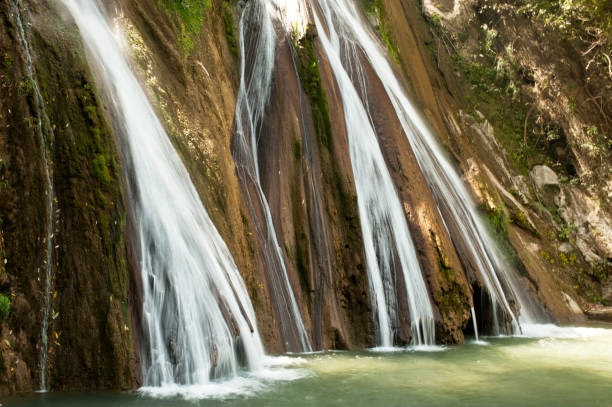
Close enough for a quick Delhi-NCR road trip, the hill station sees massive vehicle influxes every long weekend and summer break. According to reports, 6,000–7,000 tourist vehicles often enter Mussoorie during weekends, overwhelming the town’s limited parking and narrow roads.
The result? A one-hour drive from Dehradun can reportedly stretch to three hours during heavy tourist rush. And social media is filled with travellers warning others about the crowds.
One Reddit user described a Landour trip as a “total disaster” after spending hours in traffic and barely reaching anywhere beyond Mall Road. Another wrote: “Avoid going there during weekends. You won't find a single place to step a foot.”
Mussoorie still has charm. But peaceful? That increasingly depends on luck and timing.
Nainital
Nainital’s geography itself works against it during tourist season.
Most roads converge around the lake area, meaning even a moderate rise in vehicles quickly creates congestion nightmares. Add weekend tourism and summer holidays, and the town often feels gridlocked.
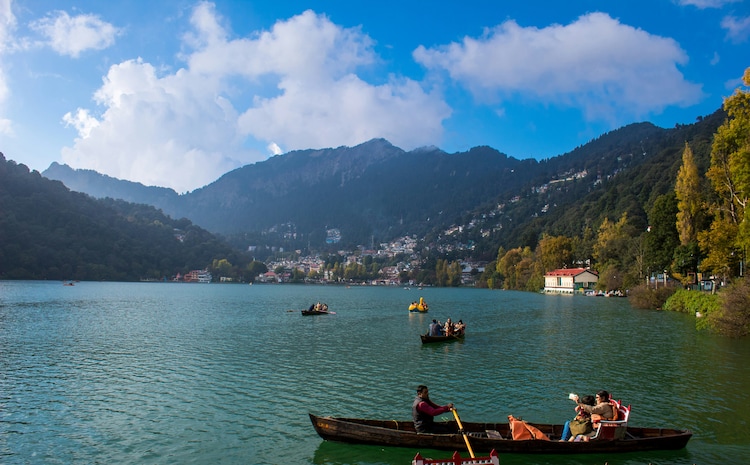
The Uttarakhand High Court has previously even sought long-term solutions to Nainital’s traffic crisis after tourist inflow repeatedly overwhelmed the town’s infrastructure. Reports noted that thousands of vehicles enter during weekends despite extremely limited parking capacity.
Locals have repeatedly pointed out how roadside parking, hotel congestion and uncontrolled vehicle entry worsen both pollution and traffic conditions.
And if you have ever spent two hours trying to leave Mall Road during peak season, you already know exactly what they mean.
The mountains are still beautiful. Early mornings still feel magical. Chai still tastes better in colder weather.
But perhaps the smarter move now is rethinking when and how we travel.
- Ends