
Operation Sindoor | The red lines get sharper
A year on from the conflict, Operation Sindoor has led India to adopt a tech-driven military modernisation, while Pakistan has been jolted into mending the cracks in its operational readiness and command structure
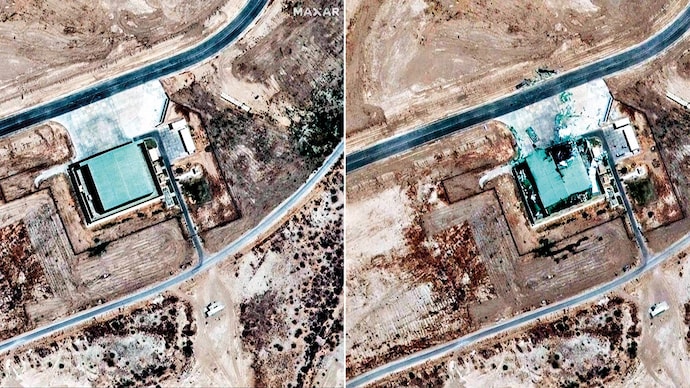

Operation Sindoor, which began with India’s missile strikes on nine terrorist hubs in Pakistan-occupied Kashmir (PoK) and its Punjab province, has just had its first anniversary. What lessons were learnt by the two adversaries from this 88-hour-long face-off over four intense days (May 7-10)? Airpower and air defences (AD), along with long-range artillery, were key factors, and electronic warfare (EW) and coordination between fighter aircraft, ground radars and Airborne Warning and Control System (AWACS) aircraft made this a truly smart war. Another new element was the introduction of asymmetric warfare tactics, with low-cost drones as well as cyber-attacks used by Pakistan, which were repelled effectively by India. After the first day, when Pakistan claimed to have shot down Indian fighter jets, the conflict swung in India’s favour, and Pakistan had no answer to the barrage of Indian BrahMos and SCALP missiles that hit deep and hard at eight of its air bases, leading to a ceasefire. Operation Sindoor was a short and sharp affair, and represents a paradigm shift in India-Pakistan conflicts.