
Obsession review: Curry Barker's psychological horror is impossible to shake off
Curry Barker's Obsession follows a lonely young man whose wish for reciprocated love turns catastrophic. The film uses that premise to explore loneliness, entitlement and the horror of treating love like possession.
Obsession will release in India on May 29.

Mumbai,UPDATED: May 27, 2026 13:26 IST
At first glance, Obsession feels almost insanely simple: a lonely boy wishes for the girl he loves to love him back. Then the film slowly twists that fantasy into something ugly, tragic, and deeply horrifying. By the end, the silence inside the screening room felt louder than any jump scare could have.
I realised this midway through the screening. The theatre was freezing, packed with journalists as the air-conditioning worked overtime. For a while, it was easy to convince yourself the goosebumps were because of the cold. They were not.
What makes Obsession genuinely disturbing is how deceptively harmless it begins. A lonely boy wishes for the girl he has a crush on to love him back. On paper, it sounds naive, even embarrassingly innocent.
But director Curry Barker understands something deeply unsettling about obsession: it often disguises itself as devotion first. And that is where the horror begins.
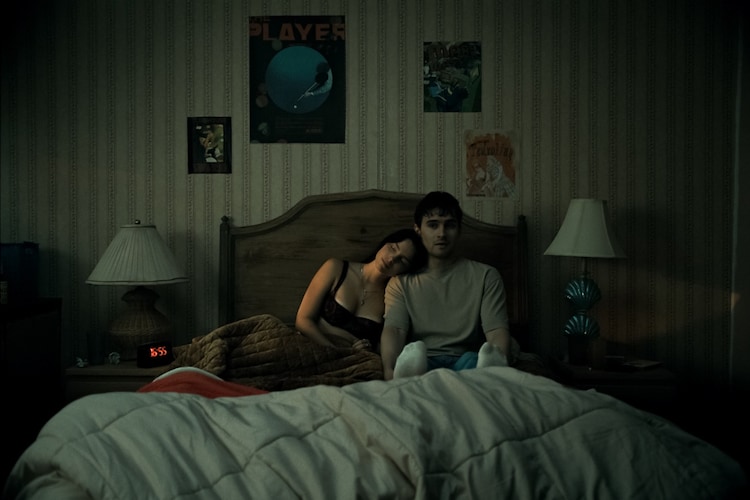
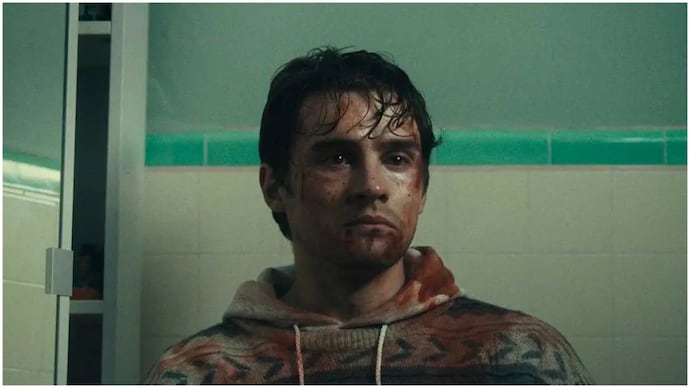
The film follows Bear, played with aching awkwardness by Michael Johnston, a painfully lonely music store employee quietly harbouring feelings for his childhood friend and co-worker Nikki played by Inde Navarrette. Desperate and emotionally stunted, Bear stumbles upon a cursed object called the “One Wish Willow,” which promises to grant a single wish. He wishes for Nikki to “love him more than anyone else in the world.”
The wish comes true. Unfortunately, so does the nightmare attached to it.
What follows is not a conventional supernatural horror film as much as it is an escalating psychological collapse disguised as a toxic romance. Barker, who previously built a cult following through short-form horror projects and the microbudget sensation, makes an impressively confident feature debut here.
His filmmaking feels controlled in a way many bigger studio horror films often are not. He understands that true horror rarely lives in loud moments. It lives in discomfort. And Obsession thrives in discomfort.
Scenes linger a little too long. Conversations feel emotionally wrong before they become physically dangerous. Even silence begins to feel threatening. Barker shoots loneliness like a disease slowly infecting every frame.
The horror does not come from the supernatural object itself but from the terrifying entitlement hiding underneath Bear’s wish. Because the film smartly asks a difficult question: how different is obsession from love when possession becomes the goal?
Michael Johnston plays Bear with just enough vulnerability to stop him from becoming a caricature. In another film, the character could have easily slipped into generic “creepy nice guy” territory. Johnston instead makes Bear deeply pathetic in the saddest possible way: emotionally immature, desperate to be seen and incapable of understanding the consequences of forcing affection into existence.
But the film truly belongs to Inde. Navarrette outdoes herself here in what easily feels like a career-shifting performance. Nikki begins as grounded, warm and emotionally familiar before gradually becoming something terrifyingly unpredictable. Watching Navarrette navigate that transformation becomes one of the film’s most unsettling pleasures. She moves between tenderness, rage, vulnerability and complete emotional destruction with frightening ease.
There are moments where Nikki’s behaviour becomes almost grotesque, but Navarrette never loses the humanity buried beneath the horror. Even at her most terrifying, there is still tragedy sitting behind her eyes. And perhaps that is why the film works so well.
Barker refuses to treat his characters like disposable horror archetypes. The violence here feels ugly rather than entertaining. The emotional damage lingers longer than the blood. Even when the film spirals into full psychological madness, it never completely loses sight of the sadness driving it.
Visually, Obsession carries the confidence of filmmakers who understand atmosphere over spectacle. Barker and cinematographer Taylor Clemons frame scenes with uncomfortable stillness, often leaving too much empty space around characters as though something invisible is constantly watching them.

The sound design for the film deserves equal credit. Small noises begin to feel unbearable as tension escalates. Certain scenes become almost physically uncomfortable to sit through because the film weaponises anticipation so effectively.
That said, Obsession is not flawless.
Its final act occasionally leans slightly too hard into shock value and struggles with perspective. Since much of the story unfolds through Bear’s emotional lens, Nikki’s trauma sometimes risks being sidelined in favour of his psychological collapse.
Thankfully, Inde brings enough emotional clarity and vulnerability to the role to constantly remind audiences of the human being trapped beneath the horror. But even then, the film never stops being compelling.
What makes Obsession linger long after the credits roll is how recognisable its fears are. Strip away the supernatural curse, and the film is really about loneliness, entitlement and the terrifying human desire to be loved at any cost. Barker turns a seemingly simple romantic fantasy into something cruel, tragic and deeply unnerving. And honestly, that is far scarier than any monster.
For a filmmaker making his feature debut, Curry Barker displays remarkable control over tone, tension and emotional dread. Obsession is funny in places, horrifying in others and consistently unsettling throughout. More importantly, it announces Barker as one of horror’s most exciting new voices.
Just do not expect to leave the theatre feeling comfortable afterwards. Obsession releases in India on May 29.
- Ends