
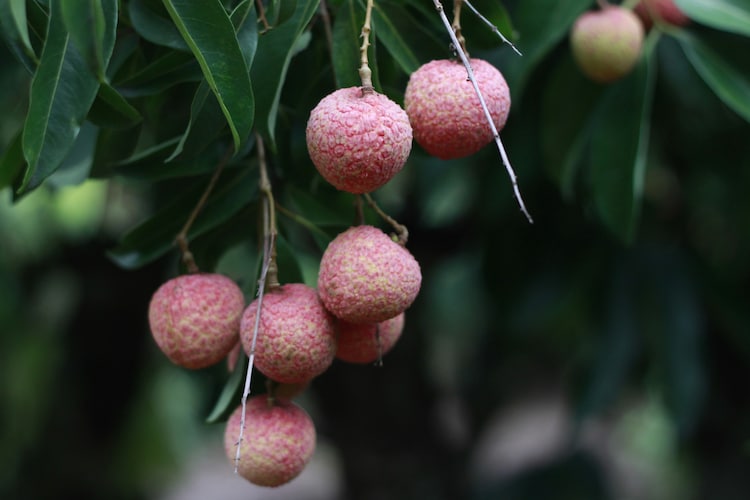
Climate change and stink bugs: The dark season for Bihar's iconic Shahi litchi
Bihar's legendary Shahi litchi faces a severe crisis as climate shifts and a massive stink bug infestation threaten the harvest. Experts and farmers are now racing to save the crop.
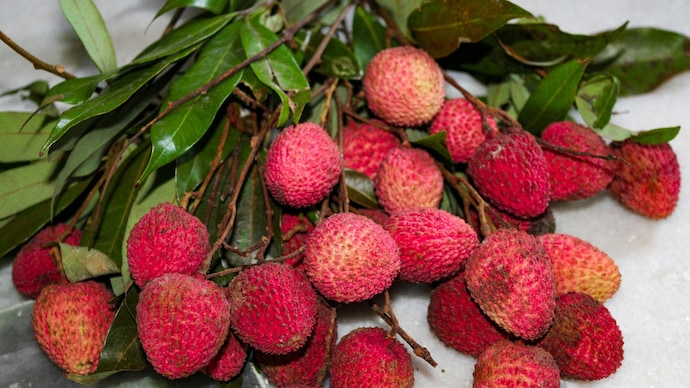
Bihar's famous Shahi litchi is under threat. Erratic weather and a major stink bug infestation are devastating orchards in Muzaffarpur. Experts are now racing to implement new strategies to save the iconic crop. (Photo: Unsplash)

New Delhi,UPDATED: Jun 7, 2026 18:02 IST
The Shahi litchi of Bihar, an orchard treasure draped in history, finds itself in a desperate, silent battle this summer.
Beneath the canopy of the Muzaffarpur orchards, the fruit that once captured the essence of summer with its succulent, translucent flesh and delicate perfume is currently wilting under an unforgiving confluence of ecological distress and a relentless insect invasion.
THE FRAGILE BIOLOGICAL CLOCK
The crisis is not merely local; it is a profound misalignment of nature. The Shahi litchi tree, a creature of rhythm, demands a specific, cool, dry winter slumber to signal the start of its flowering season.
However, recent winters have been unseasonably warm, punctuated by erratic rains that have effectively shattered the tree’s biological pulse. This climate-induced exhaustion leaves the trees vulnerable to the litchi stink bug, known scientifically as Tessaratoma javanica.
These insects are sap-sucking predators. They target the tender, emerging shoots and the developing fruit stalks, piercing the plant tissue with surgical precision to drain the vital nutrients.
For the farmers of Bihar, this is not just an agricultural loss; it is the premature falling of their livelihood.
The fruit shrivels and drops, leaving the orchards quiet where they should be brimming with the vibrant promise of a bountiful harvest.
THE SCIENCE OF DEFENCE
Agricultural scientists are now standing on the front lines, working in overdrive to orchestrate a recovery.
At the National Research Centre on Litchi, experts are championing integrated pest management, a sophisticated strategy that prioritises the delicate balance of the orchard ecosystem over blunt chemical intervention.
It is a transition toward biopesticides and biological controls that aim to safeguard the fruit without poisoning the earth that feeds it.

The difficulty, however, is biological. A single female stink bug can deposit scores of eggs in hidden clusters beneath the leaves.
If the infestation is not spotted during its infancy, the population explodes, rendering manual removal a futile struggle.
Growers are now being trained to monitor their orchards with the vigilance of a laboratory technician, scanning for the microscopic signs of a catastrophe before the swarm overwhelms the crop.
A FUTURE HANGING IN THE BALANCE
As the mercury climbs, the pressure on the Shahi litchi intensifies.
The path forward demands an urgent shift toward climate-resilient agriculture.
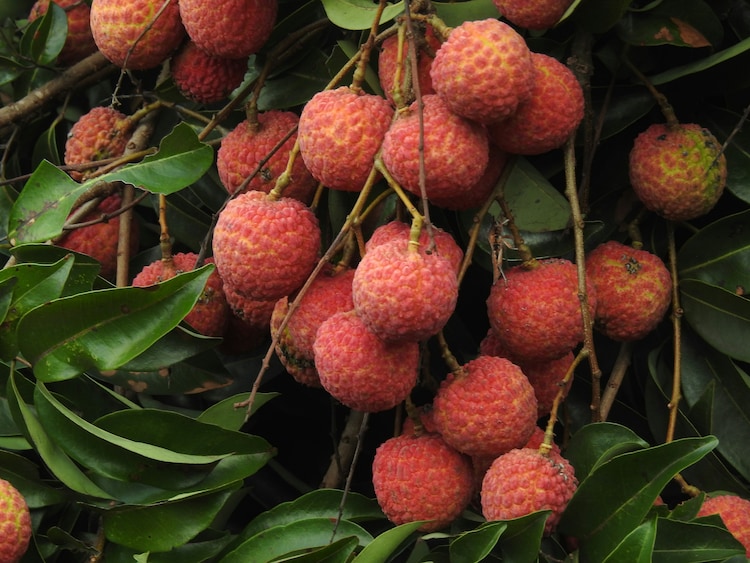
Experts suggest that the future of this GI-tagged icon lies in precision water management, the meticulous maintenance of soil health and the adoption of modern canopy management techniques.
By ensuring the trees remain robust, farmers can better shield them from the dual onslaught of changing weather and pest outbreaks.
The survival of this iconic fruit, and the dignity of those who cultivate it, now hinges on how swiftly these scientific strategies can be woven into the daily rhythm of Bihar’s smallholder farms.
- Ends