
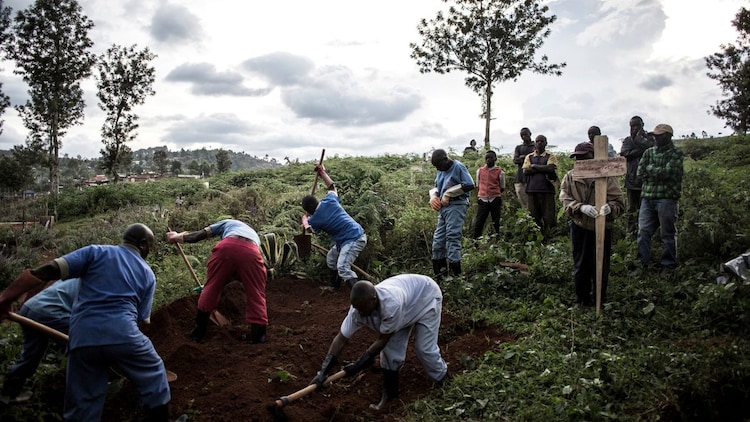
WHO declares Ebola a global emergency. What is it, and is there a vaccine?
The World Health Organization has declared the Ebola outbreak in the Democratic Republic of Congo and Uganda a global health emergency. The outbreak is driven by the rare Bundibugyo strain.
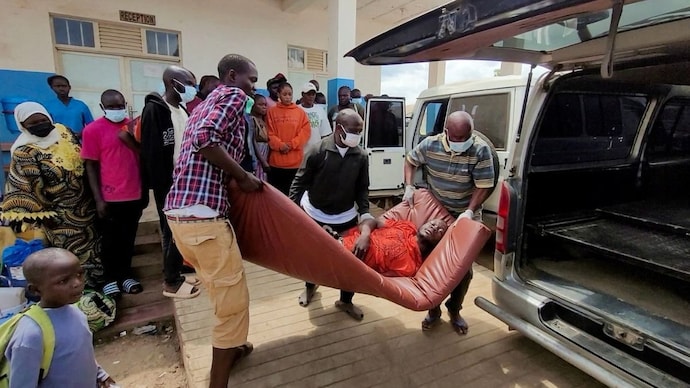
Health workers in full protective gear respond to the rapidly escalating Ebola outbreak in the Democratic Republic of Congo. (Photo: Reuters)

A virus with no vaccine and no cure has just put the world on notice. The World Health Organisation declared the Ebola outbreak sweeping through the Democratic Republic of Congo and Uganda a public health emergency of international concern on May 16.
It is one of the highest alerts the global health body can issue, reserved for outbreaks that pose a genuine risk of crossing borders and overwhelming health systems that are already under pressure.
What makes this outbreak particularly alarming is not just the death toll. It is the strain driving it.
A VIRUS THE WORLD IS NOT PREPARED FOR
This outbreak is caused by the Bundibugyo species of Ebola, a rare variant first identified in western Uganda in 2007.
Unlike the better-known Zaire strain, against which scientists managed to develop effective vaccines after years of research, Bundibugyo has no approved vaccine and no targeted treatment.
Health workers are fighting it without a safety net.
Ebola itself is a haemorrhagic fever, which means the virus attacks the body's ability to control bleeding. It belongs to a viral family called Filoviridae, named for their long, thread-like appearance under a microscope.
Scientists believe the natural reservoir of the virus is the African fruit bat, which carries the pathogen without falling ill itself.
When humans come into contact with an infected bat or an animal that a bat has infected, the virus can jump species and begin spreading from person to person.
Once inside the body, the virus does not attack randomly. It specifically targets macrophages and dendritic cells, which are the immune system's first responders, the cells that are supposed to detect and destroy invaders.
By infecting these cells first, the virus effectively disables the body's early warning system. This sets off a catastrophic chain reaction.

The immune system, now overwhelmed and confused, releases a flood of inflammatory proteins called cytokines. This overreaction, known as a cytokine storm, causes widespread damage to healthy tissue and blood vessels.
Organs start to fail, and internal bleeding follows. The Bundibugyo strain historically kills around 32 per cent of those it infects.
The virus also has a deceptively quiet beginning. After infection, a person may show no symptoms for anywhere between two and 21 days, a window known as the incubation period.
During this time, they are not yet contagious, but they may travel freely, unknowingly carrying the virus across regions or borders.
HOW FAR HAS IT SPREAD?
The outbreak was confirmed on May 15 after laboratory testing by the National Institute of Biomedical Research in Kinshasa identified the virus in patient samples.
The detection was made using a technique called polymerase chain reaction testing, or PCR, which works by amplifying tiny fragments of the virus's genetic material until they become detectable.
It is the same technology widely used during the Covid-19 pandemic.
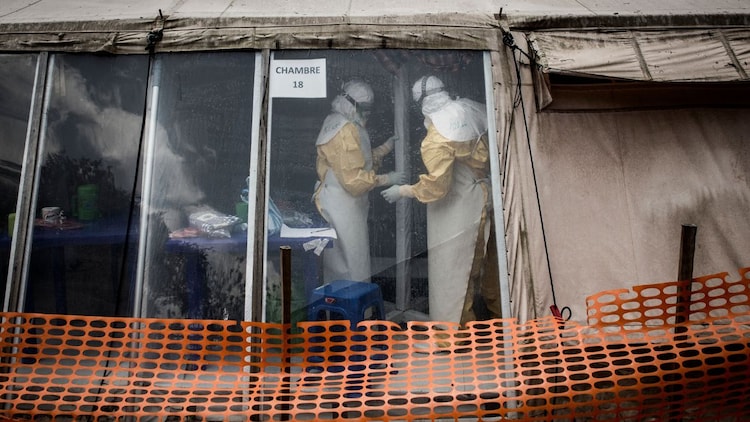
By May 16, health authorities had recorded 246 suspected cases and 80 suspected deaths across the health zones of Bunia, Rwampara and Mongbwalu in the Ituri province in the Democratic Republic of Congo.
The spread has been swift and unsettling. Confirmed cases have now appeared in Kinshasa, the capital of the Democratic Republic of Congo, and in Kampala, the capital of Uganda.
The virus is no longer contained to a remote province. It is in crowded, connected cities with busy airports, which changes the nature of the threat entirely.
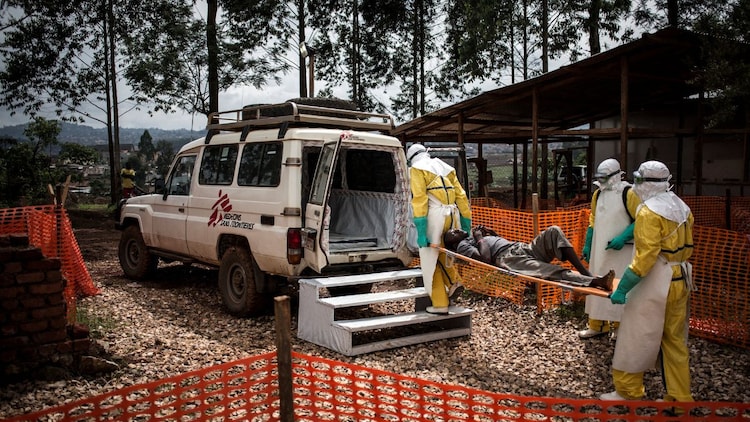
Ongoing armed conflict in the region has displaced thousands, creating large, mobile populations that are difficult to monitor.
Informal clinics with limited hygiene controls further accelerate transmission, which refers to how the virus passes from one person to another through direct contact with infected bodily fluids such as blood, saliva or vomit.
Unlike airborne illnesses such as influenza or Covid-19, Ebola does not spread through the air, which is why strict physical isolation of patients remains the most powerful tool available.
WHAT IS BEING DONE?
Without a vaccine, the entire response rests on containment. Infected patients are isolated immediately. Contact tracing, the process of identifying everyone who may have come near a confirmed case, is being scaled up urgently.
Border screening checkpoints are being strengthened to prevent the virus from crossing into new territories undetected.
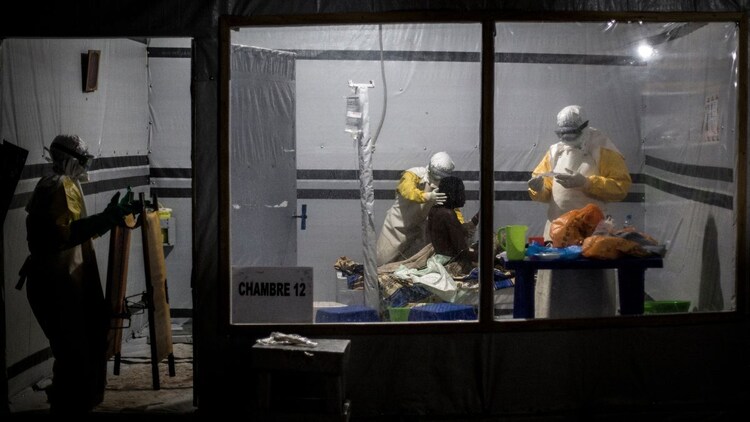
Supportive care, which includes intravenous fluids to prevent dehydration, medication to manage fever and pain, and blood transfusions where needed, remains the only medical intervention currently available for Bundibugyo patients.
The world has beaten Ebola before. But it has never had to do so without any pharmaceutical backup for the specific strain at hand.
This time, science and speed must both work harder.
- Ends