
Mango's sweet spot: Scientists unlock perfect temperature to keep mangoes fresh
Scientists have figured out the precise way to keep mangoes fresh for longer, and it comes down not to hacks on the internet but a number.
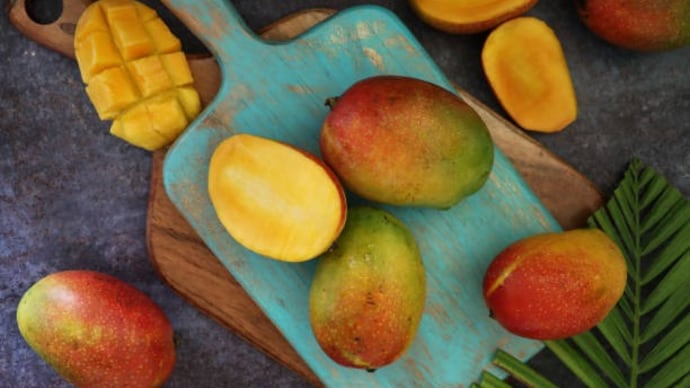

Every summer, millions of mangoes go to waste before they ever reach a plate.
The reason is the fact that mangoes don't wait. Once plucked from the tree, they ripen fast, soften quickly, and spoil long before they complete the journey from farm to market, let alone from market to kitchen.
For farmers, exporters, and consumers alike, it is a problem that costs money, wastes food, and cuts short the season for one of the world's most beloved fruits.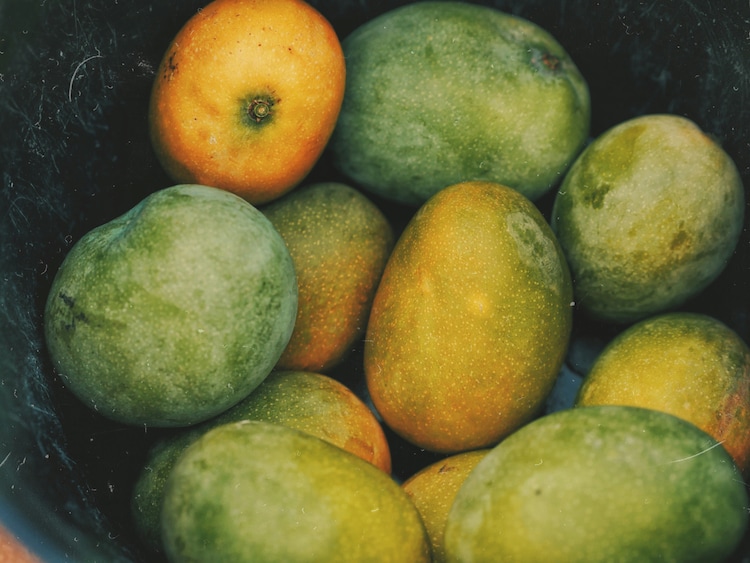
Science, however, has found a fix.
Scientists have figured out the precise way to keep mangoes fresh for longer, and it comes down not to hacks on the internet but a number.
Researchers from Hainan University have found that storing mangoes at 12°C (54°F) dramatically extends their freshness without causing cold damage.
They found that this cooler temperature slows ripening, preserves the fruit's structure, and activates the mango's own natural defence systems against being spoilt before being savoured.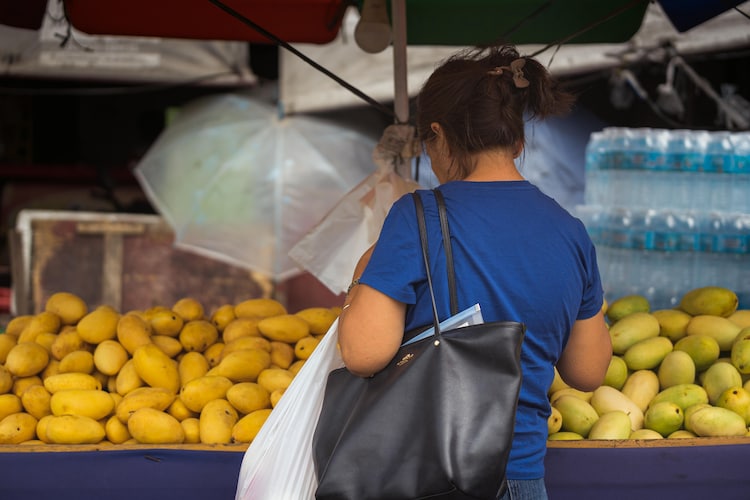
COOLING DOWN MANGOES
In many tropical regions, mangoes are commonly transported at temperatures between 26°C-30°C. While convenient, these warmer conditions speed up respiration and ripening, causing fruit to soften and deteriorate rapidly.
The challenge has always been finding a colder temperature that slows the process without causing chilling damage, which is essence is a condition where fruit stored too cold suffers its own form of internal injury.
To investigate the conundrum, the research team compared mangoes stored at 12°C with fruit stored at 30°C over a 24-day period, monitoring everything from colour, firmness, and sugar content to cellular structure and the activity of protective compounds inside the fruit.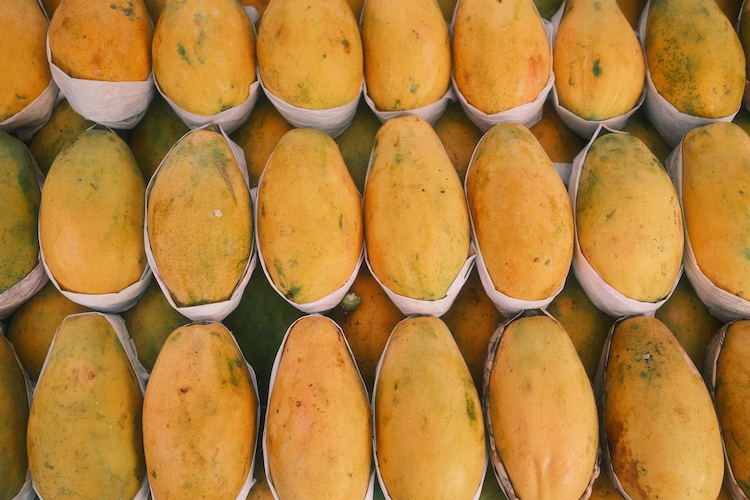
Results did not emerge at first and then, after over two weeks, the experiment turned fruitful.
After day 16, major differences began to appear. Mangoes stored at 30°C lost more than 17% of their weight, while fruit stored at 12°C lost less than 4%.
Furthermore, fruit at the warmer temperature yellowed and softened rapidly, while the cooler mangoes held their colour, firmness, and flavour balance significantly longer. At the cellular level, mangoes kept at 12°C retained intact cell walls and starch granules even after 24 days.
By contrast, fruit stored at 30°C showed thinning cell walls, starch depletion, and eventual cell collapse.
The cooler temperature also triggered the mango's internal defence mechanisms, boosting levels of protective compounds like vitamin C, phenolics, and flavonoids, while keeping cellular damage low.
Turns out, the cold didn't just slow the mango down but also helped the fruit protect itself.
The findings carry real weight, offering practical guidance for the mango industry and cold-chain systems.
Maintaining storage temperatures near 12°C may allow mangoes to be harvested earlier, transported over longer distances, and ripened closer to their final markets, all while minimising spoilage and quality loss.
For a fruit that the world clearly cannot get enough of, a simple precise number may be the difference between spoilt experiences and an unspoiled supply of sweetness.