
These cities in India are at high risk from super El Nino that will hit this year
Around 60% of Indian farmers are entirely dependent on monsoon rainfall for the kharif crop season, making the stakes for this year's rains exceptionally high.
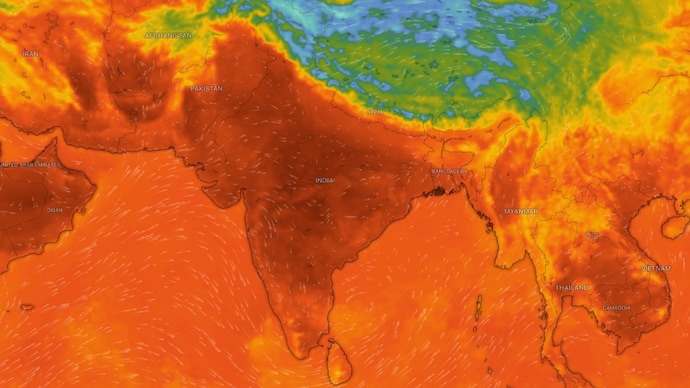

India is heading into a monsoon season carrying one of the most worrying weather signals in years.
The Indian Meteorological Department’s (IMD) first long-range forecast for 2026, released on April 13, warned that the southwest monsoon, which is the country’s primary rain season from June to September, is likely to be below normal or deficient this year.
The culprit? It's a potentially historic El Nino forming in the Pacific Ocean at this very moment.
El Nino is a periodic warming of the central Pacific Ocean that disrupts weather patterns across the globe.
For India specifically, when El Nino strengthens, it tends to weaken India’s monsoon winds, reducing rainfall and causing droughts. While rain becomes worryingly scant in some parts, El Nino also brings heavier rain showers in Tamil Nadu and coastal regions of Andhra Pradesh.
That's a handful of places that are slated to face weather impacts as El Nino prepares to arrive and cause chaos in the Indian subcontinent.
"The equatorial Pacific is fast warming up, leading to the development of an El Nino event by June or July," said Dr Madhavan Nair, a climate scientist. "This event could be a very severe El Nio event like we had in 1997 and 2015."
WHAT IS THE EL NINO FORECAST?
IMD has forecast that monsoon rainfall this year is likely to reach 92 per cent of the long-period average (LPA), placing it in the “below normal” category. The LPA, based on data from 1971 to 2020, stands at roughly 870 mm over the June-September season.
The probability of a deficient season, meaning rainfall falling below 90 per cent of LPA, is 35%, which is more than double the historical probability of 16 per cent.
Various climate models from around the world have indicated that El Nino could emerge mid-2026, potentially affecting rainfall distribution across India. In other words, it's almost at our doors.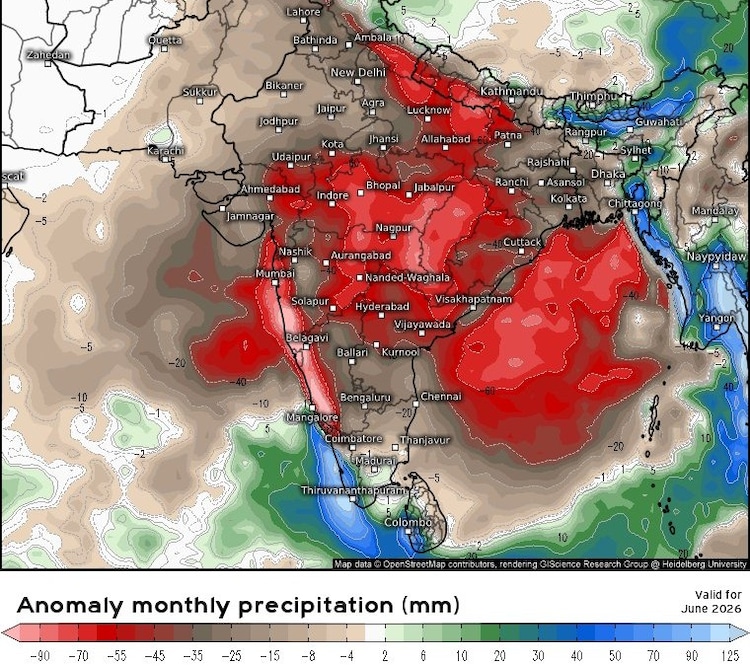
Both IMD and Skymet, India's leading private weather forecasting company, suggest the first half of the monsoon, particularly in June, may remain relatively stable.
But the problems will begin in August and September when El Nino’s impact will be fully felt, taking away most of the rainfall.
WHAT PLACES IN INDIA ARE AT RISK FROM EL NINO?
India's northern, western, and central regions will face the highest risk in the form of dry conditions, possibly triggering long droughts and agricultural losses.
Punjab, Haryana, and Rajasthan are particularly vulnerable during August and September, while the core monsoon regions of central and western India are expected to receive inadequate rainfall.
In Madhya Pradesh, areas including Indore, Ujjain, Gwalior, Chambal, Jabalpur, Rewa, Shahdol, Sagar, and Narmadapuram are expected to receive below-normal rain.
Only Ladakh, parts of Rajasthan, the Northeast, and the northern south peninsula, including Telangana, are expected to be spared from significant deficits.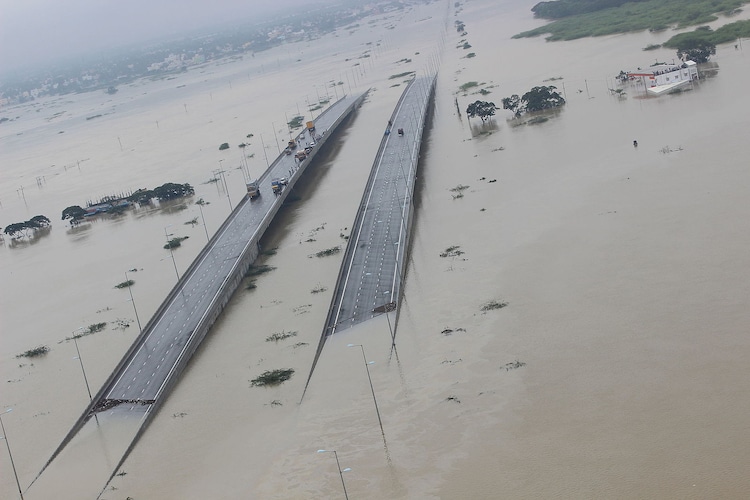
While rain will be missing in these regions, places like Chennai will receive heavy rainfall that could cause massive floods and destruction.
As forecasts continue to arrive, and signs continue to fan the possibility of an intense El Nino arriving, local authorities are taking note, and would ideally look to stay prepared. The primary reason to do so would be not to repeat past mistakes and face severe consequences.
A FAMILIAR STORY
This is not unfamiliar territory for India’s rain-dependent heartland.
During the last comparable super El Nino in 2015-16, actual monsoon rainfall was 86% of LPA, triggering widespread drought-like conditions across the country.
The Marathwada region of Maharashtra alone recorded a 40 per cent rainfall deficit that year, devastating crops and worsening farmer distress.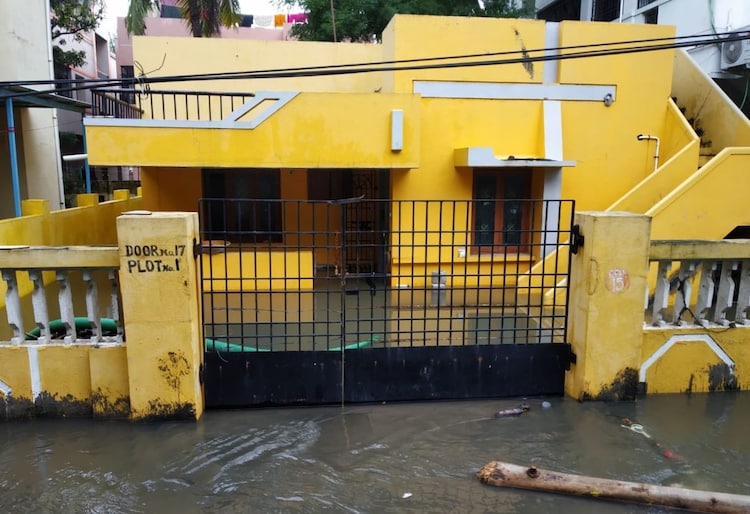
Meanwhile, Chennai received way too much and was inundated in water for days, causing deaths and destruction alike.
In the El Nino year of 2023, India recorded a 36% rainfall deficit in August alone. Among the worst-affected districts were Satara, Nashik, and Raigad in Maharashtra, West Nimar in Madhya Pradesh, Balangir in Odisha, and Korba in Chhattisgarh.
Historically, major drought-prone regions include southeastern Maharashtra, northern Karnataka, Andhra Pradesh, Odisha, Gujarat, and Rajasthan, with nearly two-thirds of India’s cultivated land entirely dependent on rainfall.
So during a period when rainfall is all but missing, devastation is expected.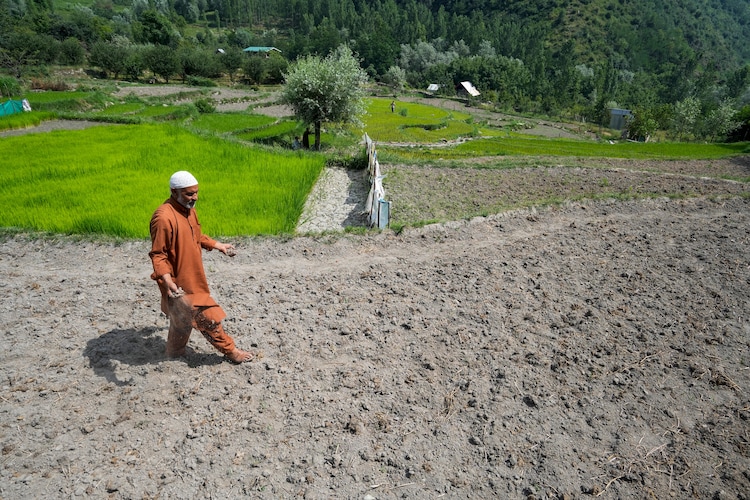
For other regions, like Delhi-NCR, that are already reeling from worsening extreme heat, relief will remain a myth, and drier and hotter conditions will continue to persist.
A SILVER LINING?
But it's not all doom and gloom.
Climate models forecast that positive Indian Ocean Dipole (IOD) conditions, which is a warming of the western Indian Ocean that generally supports good rainfall, are likely to develop toward the end of the monsoon season, potentially offsetting some of El Nino’s impact.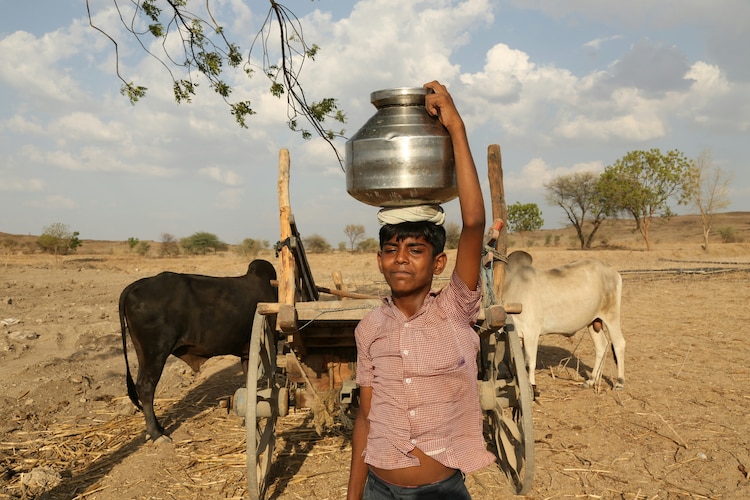
Around 60% of Indian farmers are entirely dependent on monsoon rainfall for the kharif crop season, making the stakes for this year’s rains exceptionally high.
IMD is expected to release an updated forecast in the last week of May, that will provide more clarity about what this El Nino cycle might have in store for us.