
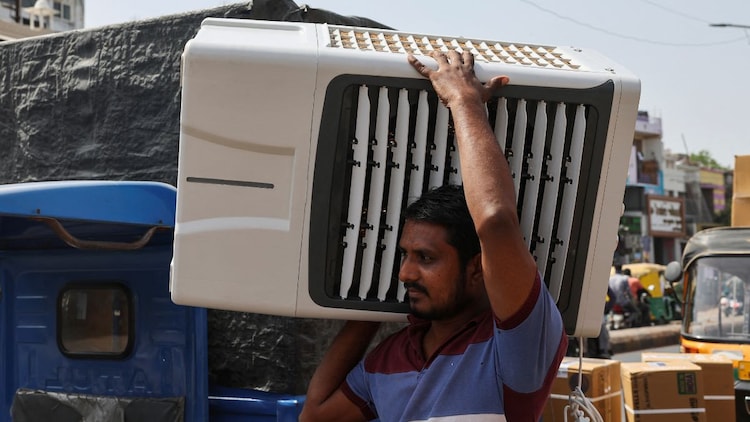
Central and South India brace for 45°C, Delhi nears its first 40°C day of 2026
Central India and the Peninsula are bracing for a sharp 45°C heat surge this week. Delhi is also on track to hit its first 40°C of the season as the cooling effect of rain fades.

Summer is coming. Heat surge hits Central India while Delhi eyes its first 40°C day. (Photo: Getty)

April showers bring May flowers, or so the saying goes, but in India, the script has flipped faster than a summer breeze.
After a surprisingly temperate start to the month, the mercury is staging a dramatic comeback.
A massive heat surge is currently sweeping across central and southern India, while the north prepares for its first 40 degrees Celsius afternoon.
WHY IS THE HEAT BUILDING UP SO FAST ACROSS INDIA?
The primary reason is the fading of Western Disturbances. These large weather systems, which bring unseasonal rain and cool winds, have become less marked over the Western Himalayan region.
Consequently, nearly the entire country is experiencing clear skies, allowing the ground to heat up rapidly.
Over the past 24 hours, Akola in Maharashtra has already recorded a peak of 42 degrees Celsius.
In the coming days, Northwest, Central, and East India are expected to see a gradual rise in maximum temperatures by three to six degrees Celsius.
While Delhi is currently in a near-normal range of 35 to 37 degrees Celsius, the capital is forecast to climb toward the 40-degree-Celsius mark by April 15.
WHAT IS A HEAT DOME? HOW DOES IT TRAP WARM AIR?
This thermal build-up is intensified by a heat dome effect, where high pressure traps warm air near the surface.
The IMD has noted several atmospheric troughs, including one stretching from north Madhya Pradesh to south Tamil Nadu, which contribute to this stable, heating environment.
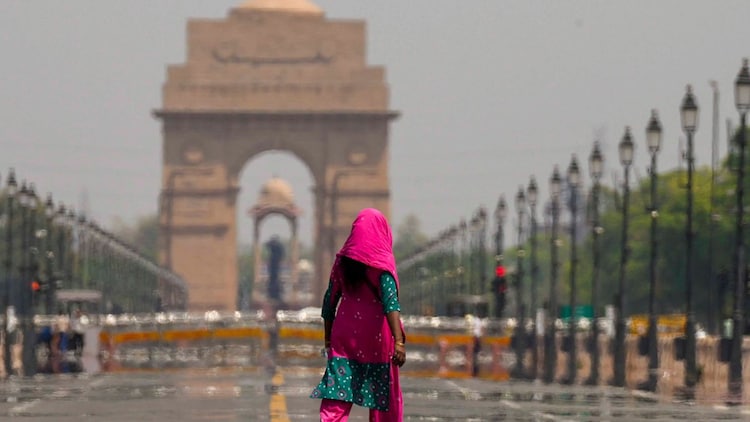
An atmospheric trough is an elongated U- or V-shaped area of low pressure which acts as a valley in the atmosphere between two high-pressure zones.
Heatwave conditions are now very likely in isolated pockets of Saurashtra and Kutch today and tomorrow, with Odisha, Madhya Pradesh, and Vidarbha expected to follow later this week.
Simultaneously, hot and humid conditions will prevail along the coasts of Andhra Pradesh, Tamil Nadu, and Kerala.
CAN NORTHEAST INDIA EXPECT RELIEF?
While the heat dominates the plains, Northeast India remains under a different threat.
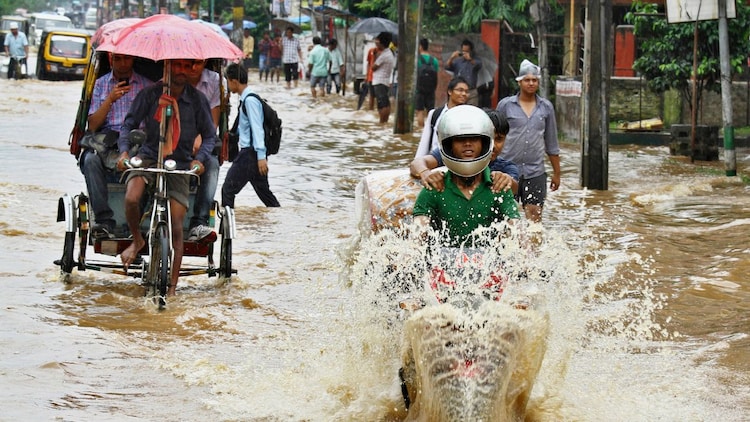
Isolated heavy rainfall and thunderstorms are very likely over Sikkim today, and will extend to Arunachal Pradesh, Assam, and Meghalaya throughout the week.
HOW CAN YOU PROTECT YOURSELF AND YOUR CROPS?
Meteorologists suggest immediate action as the IMD predicts above-normal heat for the April to June period.
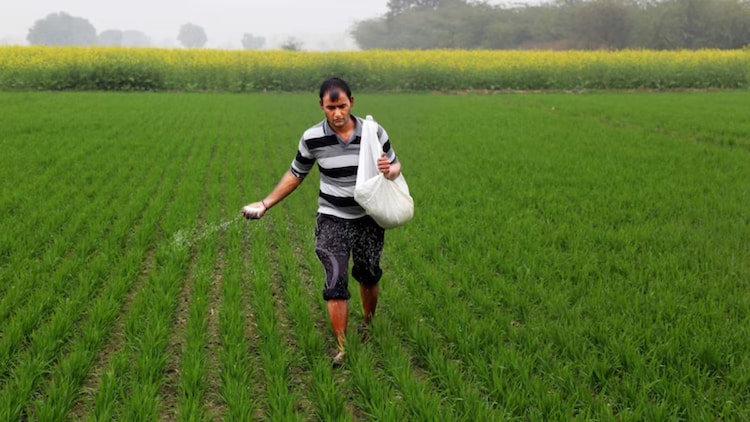
In Odisha, farmers are advised to provide light irrigation for summer crops like Boro paddy and green gram to maintain soil moisture.
In Chhattisgarh, the focus is on completing the harvest of wheat and chickpeas before the peak heat sets in.
Whether facing rising mercury or sudden downpours, staying informed by local advisories is crucial during this volatile transition.
- Ends