
28 tiger deaths in Madhya Pradesh this year: What's killing India's big cats?
India is home to over 3,000 tigers, out of which around 780 are in Madhya Pradesh. Then why is the Tiger state seeing a record number of deaths?
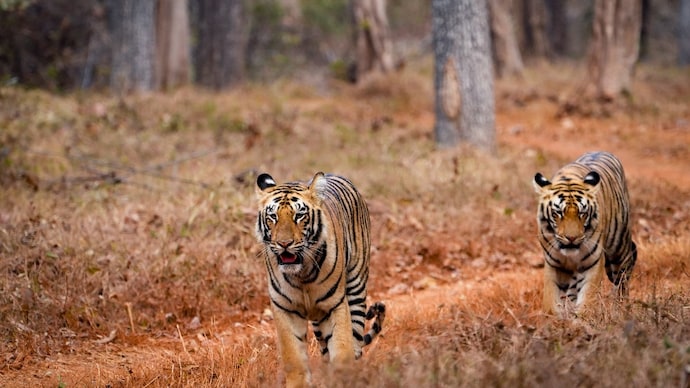

28 tigers have died in Madhya Pradesh in just the first five months of 2026, including 12 deaths since early April, according to the latest data from the National Tiger Conservation Authority (NTCA).
The alarming rise in fatalities has once again put pressure on Madhya Pradesh, often called India’s Tiger State, which continues to record the highest number of tiger deaths in the country.
The spike is raising fresh concerns among conservationists about poaching, territorial conflict, habitat stress and the long-term future of the state’s iconic big cats.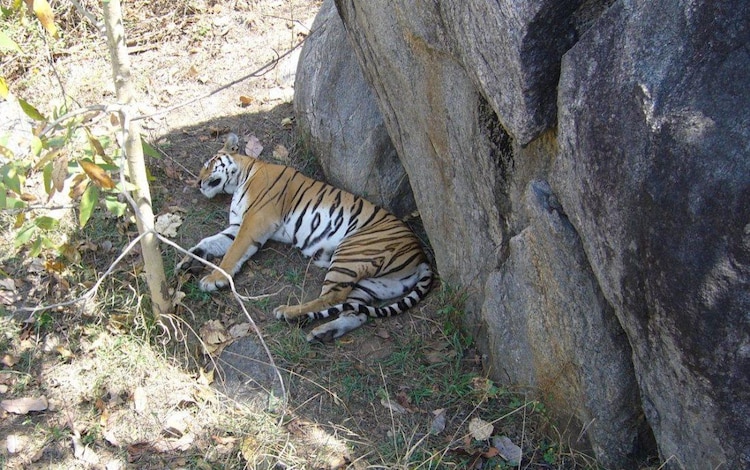
RISING NUMBERS OF DEATHS IN MADHYA PRADESH
Madhya Pradesh has seen a steady climb in tiger deaths.
According to the data published by the NTCA, Madhya Pradesh recorded 34 tiger deaths in 2021, 43 in 2022, about 45 in 2023, and 47 in 2024.
Then came 2025, with a record 55 tiger deaths, making it the highest single-year figure for the state since Project Tiger began in 1973.
India as a whole lost 166 tigers in 2025, up from 126 in 2024.
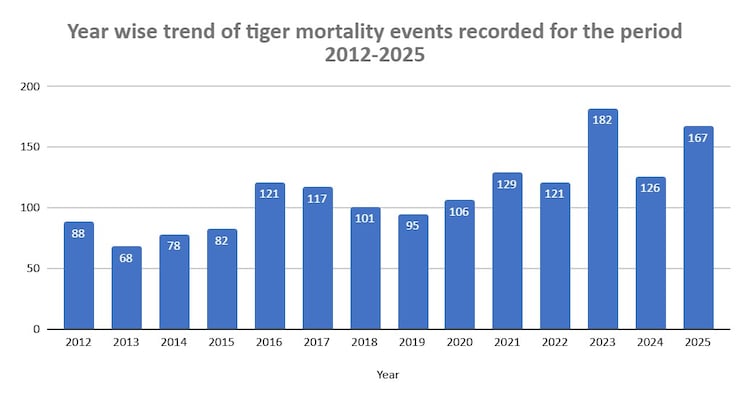
The trend seems to be sustaining itself in 2026.
Many recent cases have come from famous tiger reserves like Kanha and Bandhavgarh, with the first death recorded on January 7 inside the Bandhavgarh Tiger Reserve.
For comparison, previous years saw only 16–19 deaths in the same early period. NTCA tracks these numbers carefully based on state forest reports, post-mortems, and forensic checks.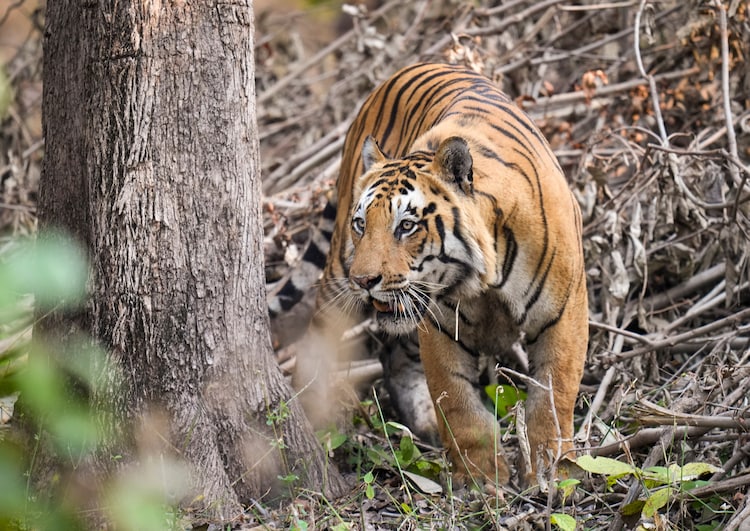
WHY ARE TIGERS DYING IN MADHYA PRADESH?
The case is especially concerning for the state as the largest portion of India's tiger population resides in Madhya Pradesh.
According to the All India Tiger Estimation 2022 released by the government of India, the nation is a home to over 3,000 tigers, out of which around 780 are in Madhya Pradesh.
The next question that naturally arises is what's killing so many tigers in the state. But as is the case with most alarming issues, there is no one cause for concern.
To start with, many deaths are natural, often due to fights between young tigers over territory.
As tiger numbers grow, young males clash more while searching for space. Madhya Pradesh holds the largest share of India’s tigers, around 785 as per the 2022 census, but limited connected forests add pressure.
But young tigers fighting each other over territory is far from being the sole culprit.
Diseases are another major concern.
In Kanha, a tigress and her four cubs died within days, linked to suspected Canine Distemper Virus (CDV).
CDV is a highly contagious virus, similar to measles in humans, that spreads mainly from unvaccinated dogs and other animals in nearby villages. It attacks the respiratory, digestive, and nervous systems of tigers, causing fever, coughing, seizures, and often death, since wild tigers have little natural immunity.
And after fatal fighting and disease, comes other causes like electrocution from power lines near forests, road accidents, human conflict, and occasional poaching.
Keeping in mind that NTCA initially treats every death as possible poaching until evidence proves otherwise, the numbers are still alarming.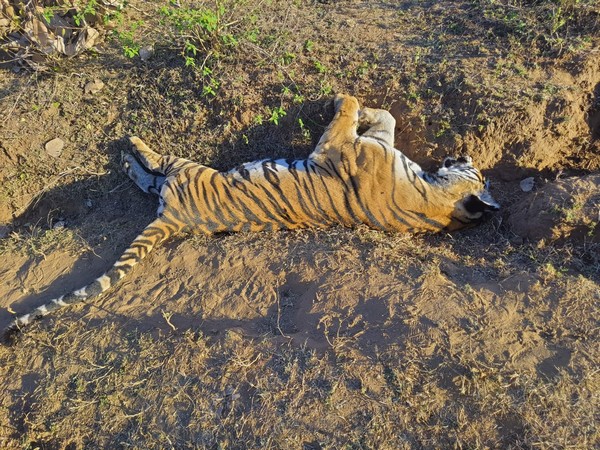
WHAT DOES IT MEAN FOR MADHYA PRADESH?
If the trends continue to hold, Madhya Pradesh might be looking at a crisis on hand, considering the state’s identity is deeply tied to its tigers.
Reserves like Kanha, Bandhavgarh, and Pench attract tourists worldwide and support local economies. These sites have also facilitated India's long struggle to protect and grow its tiger population.
The mounting deaths of the fierce creatures could now directly impact local tourism and ecological balance in the region.
To ensure that does not happen, the state and NTCA are stepping up monitoring, disease control, such as vaccinating village dogs within a 5-km radius of reserves, anti-poaching patrols, and habitat improvements with better corridors.
In response to the spike in tiger deaths, authorities have also formed a Special Investigation Team (SIT) to probe unusual deaths, particularly around Bandhavgarh.
The Madhya Pradesh High Court has urged faster action through petitions and directives seeking detailed reports and accountability.
While tiger numbers have grown successfully overall, these deaths highlight the need for more space and reduced threats at forest edges.
Tigers remain a proud symbol of Madhya Pradesh’s wild heritage. Addressing these challenges will be crucial to ensure the Tiger State stays strong for years to come.