
Pint of Science 2026: India joins global festival turning pubs into science labs
Pint of Science will bring researchers and the public together across five Indian cities from May 18 to 20. The festival's Guwahati debut and informal format aim to widen access to science and challenge misconceptions.
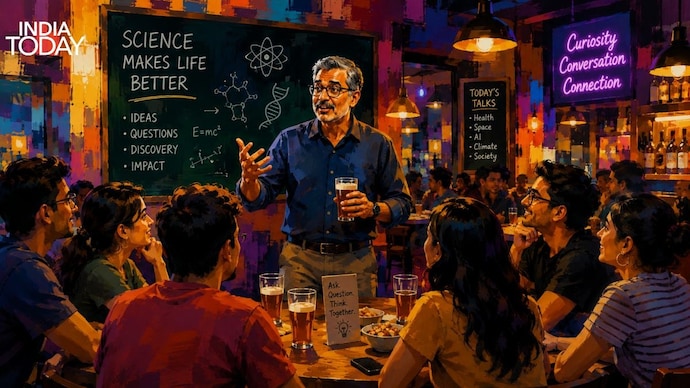
The non-profit festival is now held simultaneously in more than 500 cities across 27 countries. (Photo: Generative AI by India Today)

New Delhi,UPDATED: May 10, 2026 12:02 IST
Science is once again heading to the pub as the global science communication festival Pint of Science returns to India, bringing researchers and citizens together over conversations on cutting-edge discoveries, health, technology and the mysteries of the human mind.
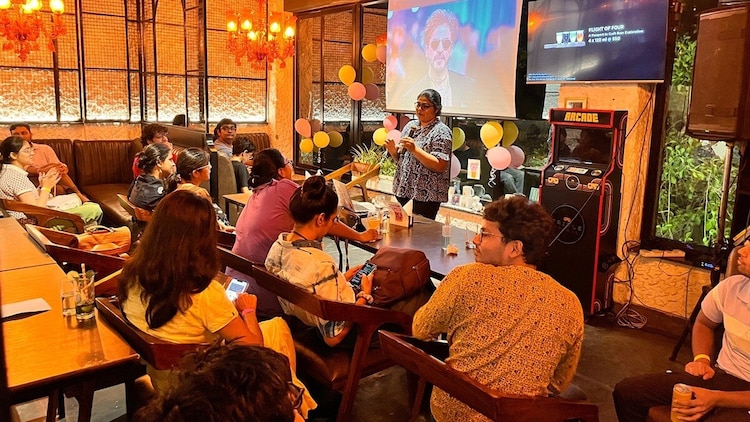
The three-day festival, scheduled from May 18 to 20, will take place across multiple venues in Pune, Bengaluru, New Delhi, Mumbai and Guwahati, marking India’s participation in one of the world’s largest public science engagement events.
This year is particularly significant as Guwahati hosts the first Pint of Science event in India’s Northeast, expanding the festival’s reach to newer audiences. Meanwhile in Delho former Isro chief S Somnath will be in attendance.
Founded in 2012 by researchers Dr Michael Motskin and Dr Praveen Paul at Imperial College London, the festival began with a simple idea: if people were willing to visit laboratories to meet scientists, why not bring scientists into public spaces instead? What started as a small initiative in London soon evolved into a global phenomenon connecting researchers directly with the public in informal settings such as pubs and cafes.
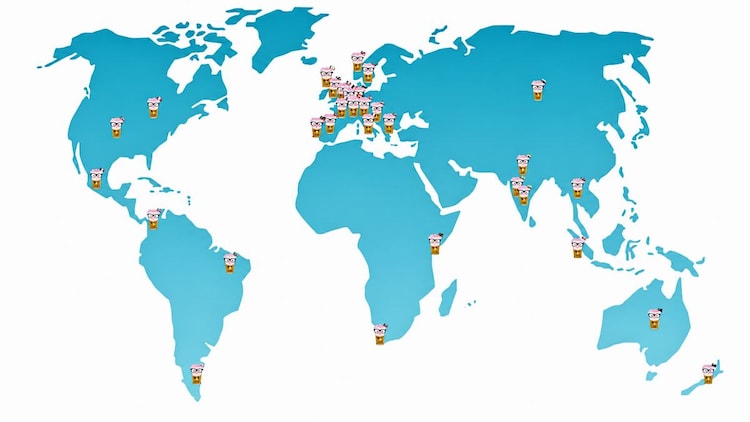
The non-profit festival is now held simultaneously in more than 500 cities across 27 countries. India’s edition this year will feature discussions ranging from infectious diseases and artificial intelligence to mathematics and misconceptions surrounding science.
In New Delhi, events will be hosted at Fort City, Hauz Khas. The opening day on May 18 will focus on “Outsmarting Diseases,” where researchers are expected to discuss emerging health challenges and innovations in medicine.
On May 19, audiences can attend “Decoding Knots and Tattoos,” a session exploring the surprising intersections of mathematics, patterns and culture. The festival concludes on May 20 with “Mind, Machines and Misconceptions,” examining artificial intelligence, neuroscience and the myths surrounding modern technology.
Prof. Debarati Chatterjee, Director of Pint of Science India told indiatoday.tech that the festival creates a rare and valuable platform for direct interaction between scientists and citizens.
“Direct conversations of this kind are crucial in India for busting myths and misconceptions around science,” she said. “They also open opportunities for innovation through multidisciplinary exchange of ideas and help young students understand emerging career pathways, especially for women in STEM disciplines.”
Organisers say the festival’s informal atmosphere is central to its success.
Unlike traditional academic conferences, Pint of Science encourages audiences to engage freely with researchers, ask questions and discuss scientific ideas without barriers.
As science increasingly shapes everyday life, from health and climate to artificial intelligence, organisers believe such public conversations are more important than ever.
With India now firmly part of the global Pint of Science map, the festival hopes to make scientific thinking more accessible, relatable and inclusive for a wider audience.
- Ends