
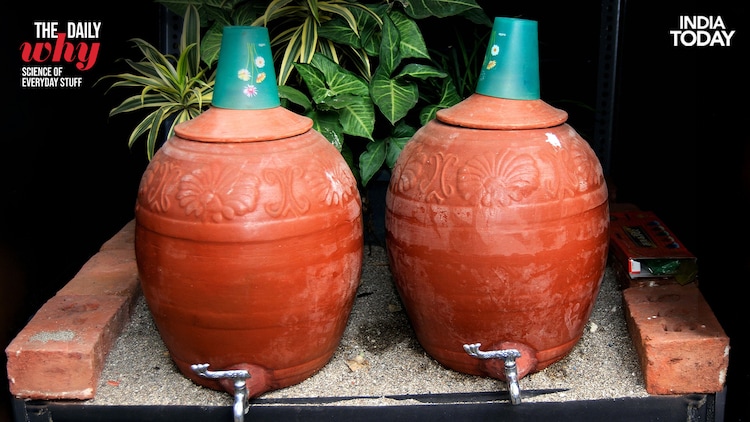
Why does water stay cool in a matka during peak heat? India's oldest summer hack
As summer temperatures rise, many Indian households still rely on matkas to cool drinking water naturally. The history of matka is as old as India. So, is it better than refrigerated water?
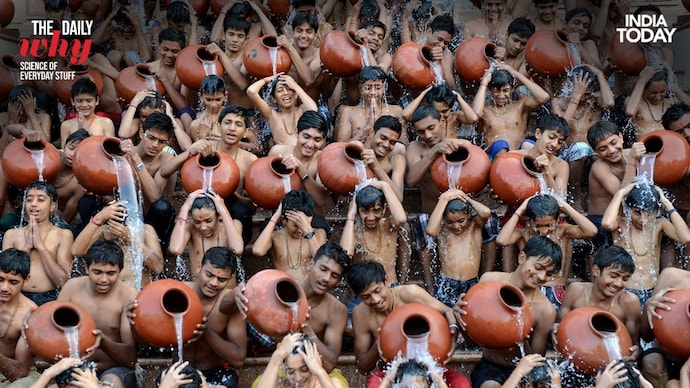
The history of matka is as old as India. It has been used in India for thousands of years. (Photo: Getty)

New Delhi,UPDATED: May 11, 2026 08:30 IST

As temperatures climb across India each summer, many households still turn to a centuries-old solution for drinking water: the humble earthen pot, or matka.
Long before refrigerators became common, clay pots were used to naturally cool water during intense heat, and science explains exactly why they work so well.
The history of matka is as old as India. It has been used in India for thousands of years.
Archaeologists have found similar clay vessels from the Indus Valley Civilisation dating back over 4,000 years. Different regions developed their own versions, including the elegant surahi used during the Mughal Empire.
Beyond cooling water, matkas became symbols of hospitality, often kept outside homes and markets for travellers. Even today, they remain popular as eco-friendly, electricity-free alternatives to refrigerated water.
HOW DOES MATKA COOL WATER?
Earthen pots cool water through a process called evaporative cooling. Clay is naturally porous, meaning tiny microscopic holes in the pot allow a small amount of water to slowly seep to the outer surface.
When this water evaporates, it draws heat away from the pot and the water stored inside, lowering the temperature naturally.
The same principle explains why sweating cools the human body.
Unlike refrigerated water, which can become extremely cold, water stored in an earthen pot usually cools to a moderate and comfortable temperature, often a few degrees below the surrounding air. This makes it especially refreshing during hot weather without feeling icy.
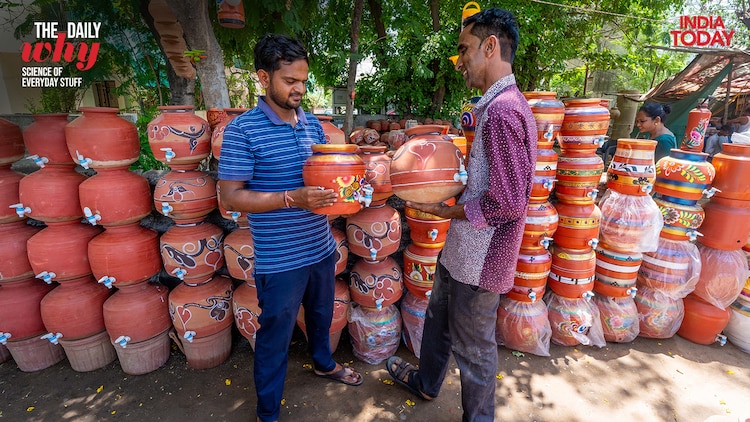
The cooling effect depends heavily on weather conditions. Earthen pots work best in hot and dry climates where evaporation happens quickly. In humid conditions, where the air already contains a lot of moisture, the cooling effect becomes weaker.
WHAT MAKES MATKA SUSTAINABLE?
Scientists say clay pots also have another advantage: they cool water without using electricity. Refrigerators rely on compressors and refrigerants that consume power continuously, while earthen pots need no external energy source.
In a country facing rising temperatures and increasing electricity demand during summer, traditional cooling methods are drawing renewed attention as sustainable alternatives.
Some people also believe water from earthen pots tastes better. This is partly because clay can add an earthy flavour and may slightly increase the alkalinity of water by interacting with acidic components. However, experts caution that claims of major health benefits are often exaggerated.
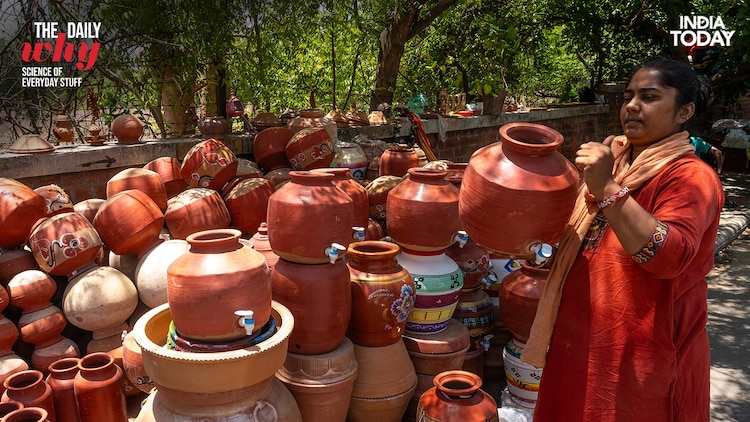
So does that make earthen pots better than refrigerated water?
MATKA WATER OR REFRIGERATED WATER: WHICH IS BETTER?
The answer depends on the situation.
For everyday hydration during summer, many doctors say moderately cool water from clay pots may be gentler on the throat and digestive system compared to ice-cold refrigerated water, especially when consumed immediately after coming in from extreme heat.
Very cold water can sometimes cause temporary throat irritation or discomfort in sensitive individuals.
Earthen pots are also environmentally friendly, inexpensive, and accessible in areas with unreliable electricity supply.
However, refrigerators still have important advantages. They cool water much faster, maintain consistent temperatures, and are better suited for long-term storage in very hot or humid environments. Refrigeration also helps preserve beverages and food safely.
Hygiene is another key factor. Earthen pots must be cleaned regularly because their porous surface can accumulate algae, bacteria, or mineral deposits over time if not maintained properly.
Even in modern cities filled with air-conditioners and refrigerators, the sight of a clay matka in homes and roadside stalls remains common across India. It is also an indication that some traditional technologies continue to survive because they work remarkably well even in the modern world.
#TheDailyWhy
- Ends