
IBM India head says IT companies must reskill millions of employees to succeed in AI
India can become an AI powerhouse, but only if it rapidly upskills millions of workers, IBM India head Sandip Patel says. As AI transforms jobs and automates routine tasks, he believes government, industry and academia must work together to prepare the workforce.
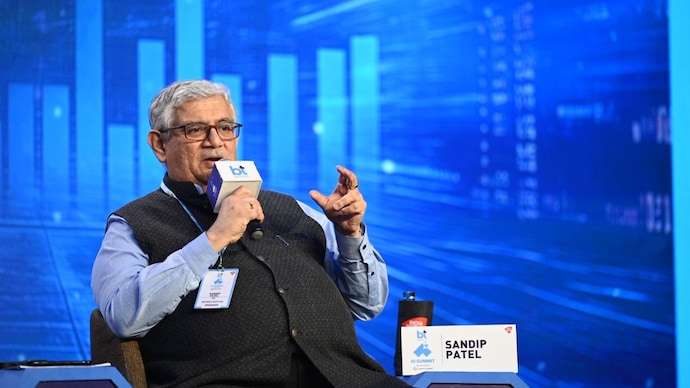

Artificial intelligence may be transforming industries at breakneck speed, but IBM India head Sandip Patel believes India's biggest challenge is not the technology itself. Instead, he says the country must focus on retraining millions of employees, arguing that large-scale upskilling will be critical if India hopes to emerge as a global AI leader.
Speaking to Reuters, Patel said India's young population gives it a unique advantage in the global AI race. More than half of the country's 1.4 billion people are under the age of 30, creating what he described as a massive opportunity to build one of the world's largest AI-ready workforces. However, he warned that demographic advantages alone will not be enough unless workers are equipped with the skills needed to work alongside AI technologies.
"That demographic dividend that's sitting here, unleashing that is a phenomenal opportunity," Patel said. He added that India could eventually create an AI-trained workforce of around 350 million people capable of serving both domestic and international markets if large-scale skilling initiatives are successfully implemented.
As AI tools take over routine tasks such as coding, data processing and customer support, Patel said the country will need a coordinated effort from government, industry and academia to equip workers with the skills needed for the next wave of jobs.
Patel's comments come at a time when concerns are growing over AI's impact on jobs across the technology sector. Generative AI tools can now write code, generate content, analyse data and perform several tasks that were previously carried out by entry-level employees. Industry leaders have repeatedly said that while AI is unlikely to eliminate jobs entirely, it will significantly change the nature of work and the skills employers look for when hiring.
The need to upskill and adapt is already becoming evident across India's technology industry. Companies are increasingly seeking professionals who can work with AI systems, build AI-powered applications, analyse large datasets and combine technical expertise with business knowledge. Skills such as prompt engineering, machine learning, cybersecurity, cloud computing and AI governance are becoming more valuable than routine coding capabilities alone.
Patel said only around 30 per cent of India's available technology workforce currently possesses the AI skills businesses require. Closing this gap, he argued, will be critical if India wants to maintain its position as the world's leading IT services destination while also becoming a major player in the AI economy.
Patel highlighted that IBM itself has committed to training five million people in India in AI, cybersecurity and quantum computing by 2030. The company is working with government-backed skilling programmes and educational institutions to expand access to AI education and professional training.
Beyond workforce development, Patel also highlighted the need for stronger intellectual property protections. He said companies must have confidence that innovations developed in India can be protected internationally and commercialised globally. Improved safeguards, he suggests, would encourage greater investment in research, product development and AI innovation within the country.