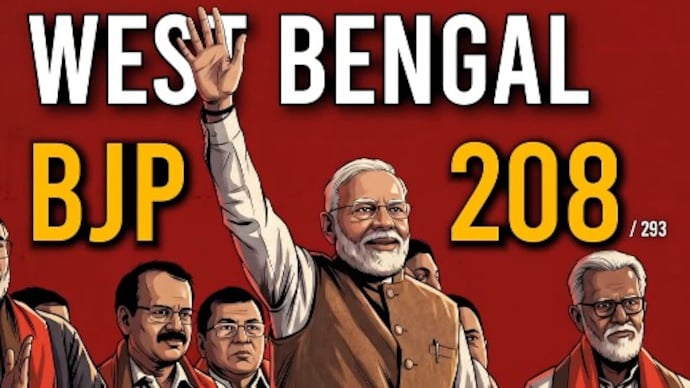
From struggle to sweep: BJP's reserved seat performance in Assam and Bengal
From getting wiped out in 2011 to a 100 per cent strike in the 2026 reserved seats in Assam and West Bengal.

Delimitation refers to the process of redrawing the boundaries of electoral constituencies to ensure fair representation based on population changes. In India, this exercise is carried out by the Delimitation Commission, an independent body appointed by the President and guided by the Election Commission of India. The main objective is to balance voter representation and uphold democratic principles.
Delimitation is mandated by Article 82 and Article 170 of the Indian Constitution. It is conducted based on the latest Census data to account for demographic shifts. However, due to concerns about regional imbalances, Parliament froze the delimitation process in 1976, postponing it until after 2026. The last delimitation exercise was conducted in 2002, based on the 1971 Census, though seat numbers remained unchanged.
Delimitation plays a crucial role in correcting population disparities among constituencies and ensuring fair electoral representation. However, it can be politically sensitive, as it may alter power dynamics among states and communities. The expected post-2026 delimitation could significantly impact states with higher population growth, particularly in North India, potentially reshaping India's political landscape.
The big focus of this episode of India First is on the big delimitation showdown.
In an exclusive interview with India Today, senior Congress leader P Chidambaram discussed the ongoing debate over delimitation and its potential impact on southern states.
The big focus of this episode of Super 6 is on Tamil Nadu Chief Minister Vijay skipping the swearing-in ceremony of Kerala chief minister-designate VD Satheesan on Monday and TVK expanding its base into Kerala following success in Tamil Nadu.
This political debate analyses state assembly election results and significant shifts across the regional landscape.
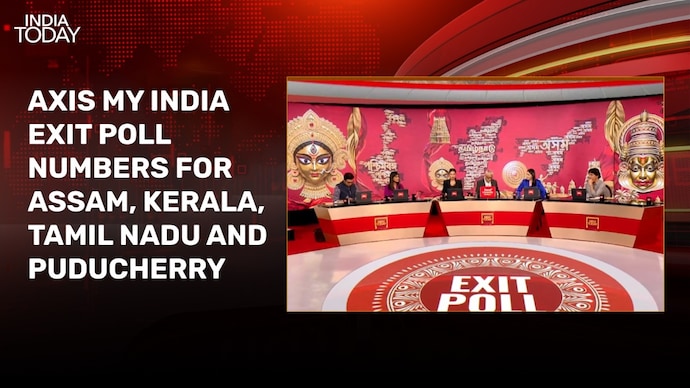
Axis My India exit poll numbers for Assam, Puducherry, Kerala and Tamil Nadu assembly elections are out. According to the Axis My India exit poll, the BJP alliance is set for a hat-trick in Assam.
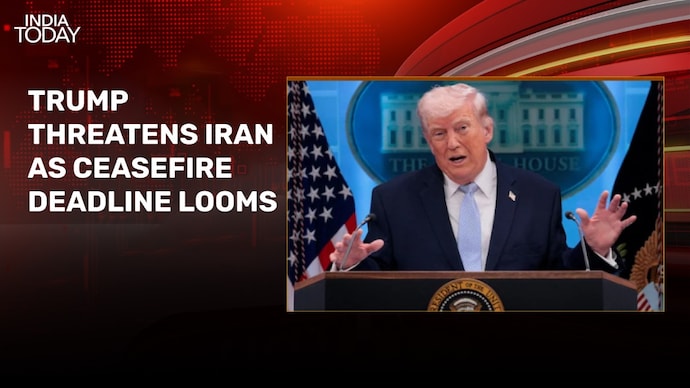
With just hours to go for the ceasefire deadline to end, US President Donald Trump has threatened Iran stating that bombing will continue if there is no deal with Tehran.
A massive political controversy has erupted over PM Modi's prime-time national address on Saturday on the state broadcaster on women's quota.
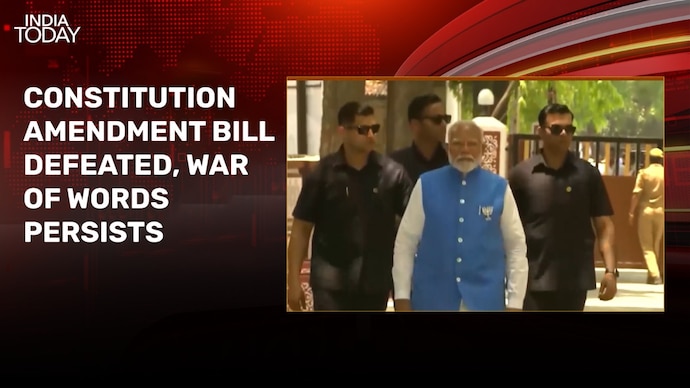
The opposition has blocked a bill in Parliament, describing the move as a victory for democracy and the federal structure. The defeated legislation linked women's reservation to a new delimitation exercise based on the 2011 census. The opposition argued the bill was a move to alter parliamentary proportions, potentially reducing the political weight of Southern states and bypassing a caste census. Instead of the proposed changes, the opposition demanded the immediate implementation of the 2023 women's reservation legislation on the existing 543 Lok Sabha seats. Furthermore, there is a demand for an Other Backward Classes quota within the women's reservation framework. The opposition accused the government of using women's rights as a shield to push through a delimitation agenda that would alter electoral dynamics, stating they will fight for immediate representation without compromising the federal balance.
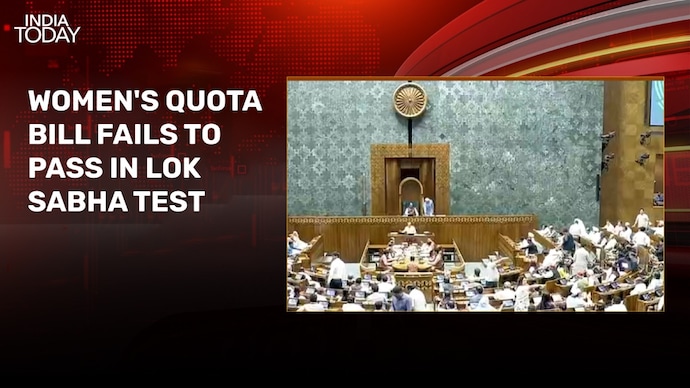
The Women's Reservation Bill has been defeated in Parliament after the government failed to secure the required two-thirds majority for a constitutional amendment.
In an exclusive interview with India Today, senior Congress MP and jurist Dr. Abhishek Manu Singhvi discussed the defeat of the Women's Reservation Amendment Bill in the Lok Sabha.
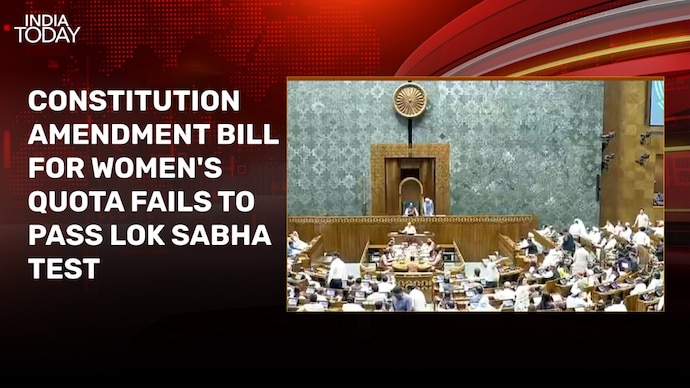
The Constitution Amendment Bill to implement 33 per cent reservation for women failed to pass in the Lok Sabha after the government failed to secure the required two-thirds majority, receiving 298 votes in favour and 230 against.
The Constitution Amendment Bill to implement 33 per cent reservation for women in legislatures in 2029 and increase the number of Lok Sabha seats to 816 was defeated on Friday.
India's women hankering for more representation deserve better, much better. We need to end the patriarchal system that still dominates large sections of our political class. No one has really won or lost in that sense today.
The 131st Constitutional Amendment Bill, designed to mandate a 33 percent reservation for women in the Lok Sabha and state assemblies, failed to pass in Parliament.
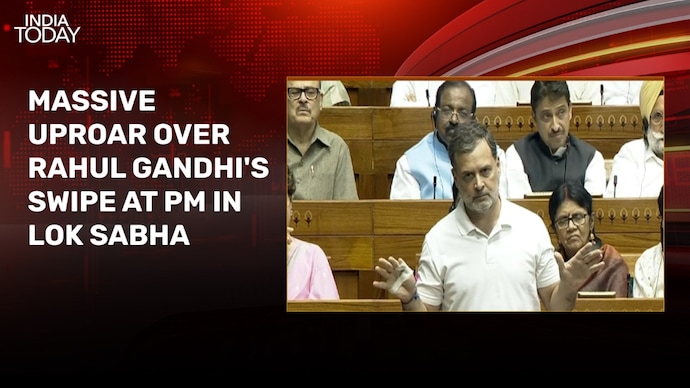
During a Lok Sabha debate on the Delimitation Bill, the Leader of the Opposition Rahul Gandhi sparked an uproar by comparing the Prime Minister to a magician whose tactics have been exposed.
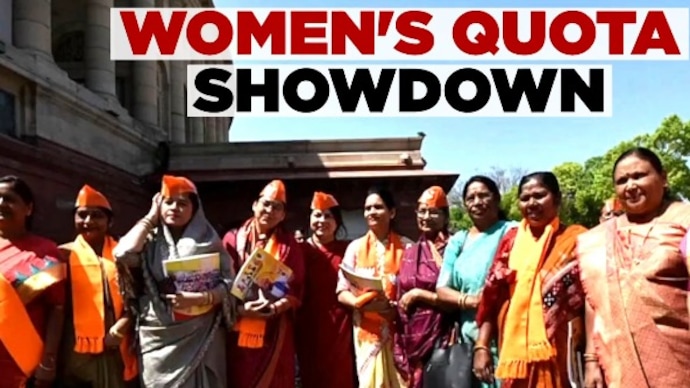
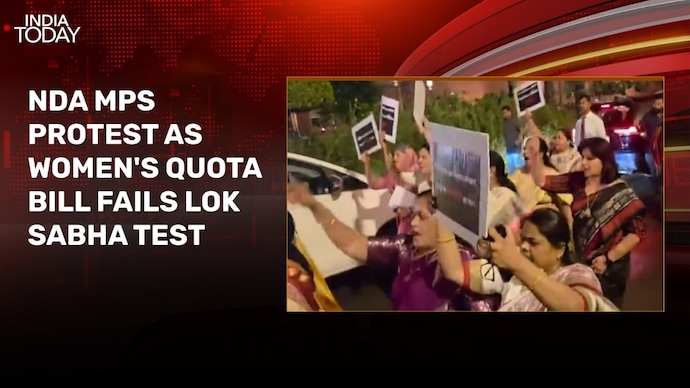
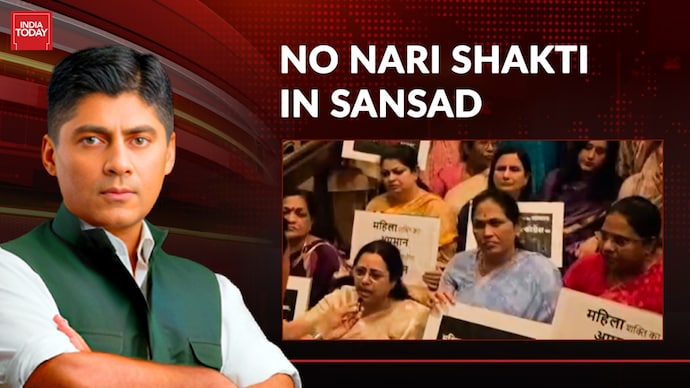
The Women's Reservation Bill failed to pass the floor test in Parliament, falling short of the required two-thirds majority by 54 votes, with 298 votes in favour and 230 against. Following the defeat, women parliamentarians from the ruling coalition staged a protest in the Parliament complex, accusing the opposition alliance of obstructing women's empowerment.
Union Home Minister Amit Shah on Friday said that the Opposition is against women's reservation and not against its implementation.
A constitutional amendment bill concerning women's reservation has been defeated in the Lok Sabha after failing to secure the required two-thirds majority.
In an exclusive interview with India Today, senior Congress leader Margaret Alva criticised the central government over the delay in implementing the Women's Reservation Bill.