Topic

Advertisement
TOPIC

Parliament

India's Parliament, the supreme legislative body of the Republic of India, is a bicameral structure comprising two houses: the Rajya Sabha and the Lok Sabha. The President of India acts as the head of the legislature, with powers to summon and prorogue either house or dissolve the Lok Sabha. 

The Lok Sabha, or lower house, has 543 members who are directly elected by citizens over the age of 18. Each member represents a parliamentary constituency across the country. The Lok Sabha has a term of five years and its primary responsibilities include passing laws and ensuring that the executive government performs its duties satisfactorily.

The Rajya Sabha, or upper house, is a permanent body not subject to dissolution. It can have a maximum of 250 members, with one-third retiring every second year. Its members are indirectly elected by members of state legislative bodies. Twelve members are nominated by the president for their expertise in fields like literature, art, science, and social service.

The Parliament of India was established on January 26, 1950, following the enforcement of the Constitution of India. The first general elections were held in 1951-52, leading to the formation of the first elected Parliament in April 1952. 

A new Parliament building, located adjacent to the original British-era structure, was inaugurated on May 28, 2023.

...Read More
  • ALL
  • STORIES
  • VIDEOS

STORIES

Indian woman pressured to end Scotland Parliament bid over student visa status

A visa row has erupted within the Scottish Green Party after Malayali woman Sai Shraddha Suresh Viswanathan alleged she was asked to withdraw from the election race because of her immigration status. The controversy escalated after another student visa holder from the same party was allowed to contest and went on to win a seat in the Scottish Parliament.

How Bengal erected BJP fence after Jamaat's rise along Bangladesh border

The Jamaat-e-Islami saw a surge in Bangladesh in the February election, particularly along the border with West Bengal. The rise of the Islamist party seems to have resulted in voter consolidation for the BJP across the border. The West Bengal Assembly election results show that the BJP won several seats in pockets directly adjacent to the seats won by the Jamaat.

The opposition | INDIA in retreat

A coalition that can still hold the line in Parliament is steadily losing ground across the states. Its shrinking map exposes fractures in strategy, leadership and identity

The rise of AI politicians in India: How avatars are gaming political content

AI-generated avatars delivering Parliament-style speeches are rapidly gaining traction on Instagram, with accounts jumping from under 2K views to reels crossing 2 million and 5 million. Blending real issues with exaggerated claims, this content is reshaping political discourse and amplifying synthetic influence.

Load More

VIDEOS

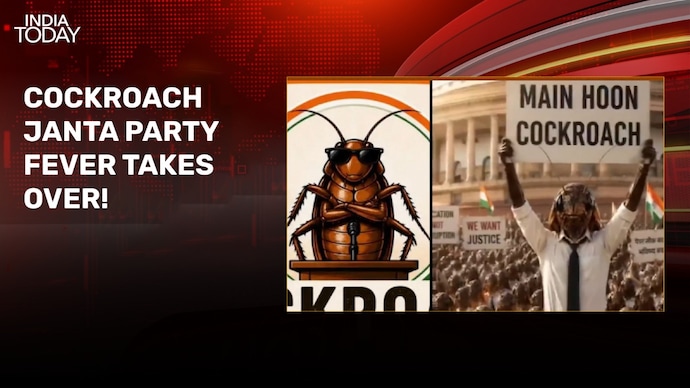
Cockroach Janta Party beats Congress, BJP on Instagram

Just days after it was formed, the Cockroach Janata Party has gained traction on social media following a remark by the Chief Justice of India and has amassed over fourteen million followers on Instagram, surpassing the follower counts of Congress and BJP.

PM Modi cuts down convoy size: Is government preparing country for tough times?

The central government has implemented austerity measures, including reducing ministerial convoys to two vehicles, in response to a looming fuel crisis driven by West Asian geopolitical tensions. While the ruling party frames this as a necessary fiscal step, opposition leaders have labeled the move tokenism, demanding a special parliamentary session to address the economic situation and rising oil prices. Simultaneously, the national currency has depreciated to an all-time low against the dollar, prompting calls from experts for fiscal consolidation and reduced political populism. Amidst these economic challenges, a major controversy has emerged regarding the national medical entrance examination. Investigations into an alleged paper leak and an interstate exam mafia have resulted in multiple arrests across several states, revealing potential political links. Education experts are now advocating for a complete overhaul of the testing system, suggesting decentralized, computer-based examinations to ensure future transparency. Transparency activists further urge the government to disclose fuel stock data to prevent public panic and hoarding during this period of economic instability.

PM’s austerity push sparks political firestorm. Message for people, not politicians?

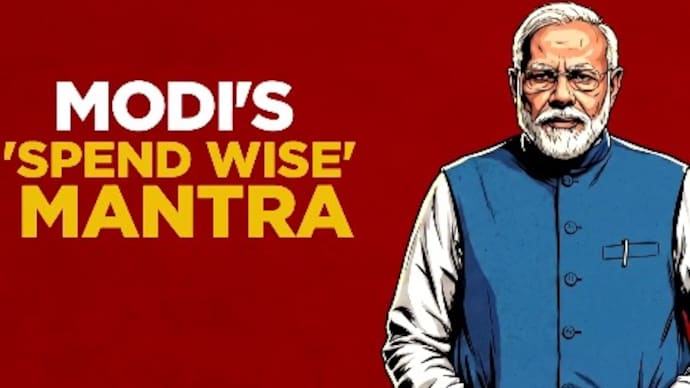
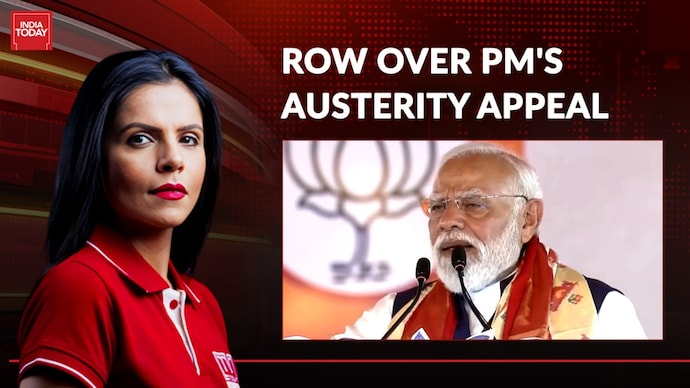
Prime Minister Narendra Modi's appeal to the public for the adoption of several austerity measures to mitigate the economic impact of the West Asia crisis has sparked a political confrontation. He urged citizens to reduce fuel consumption, utilise public transport, and limit gold purchases to preserve foreign exchange reserves. Opposition leaders criticised the appeal, questioning the continuation of large-scale political roadshows and demanding a special parliament session to address inflation and fuel taxes. During televised debates, ruling party representatives defended the nation's economic stability, while analysts highlighted structural financial strains. Simultaneously, West Bengal announced an administrative reshuffle, appointing the former Chief Electoral Officer as Chief Secretary and the Special Observer as Chief Adviser to the Chief Minister. In Kerala, the Congress high command continues deliberations over the next Chief Minister. Key contenders include the former leader of the opposition and a prominent organisational strategist. Former state party presidents have been summoned to the national capital for consultations as the party evaluates legislative support and ally preferences before making a final announcement.

Amid Hantavirus alert, doctors explain how Andes strain spreads, why it's deadly

The Prime Minister has issued an urgent austerity appeal, advising citizens to reduce fuel consumption, avoid gold purchases, and limit foreign travel due to rising crude oil prices and global economic pressures. This announcement triggered a sharp domestic stock market sell-off and drew criticism from opposition parties. Tensions escalated after a Samajwadi Party Member of Parliament from Uttar Pradesh used objectionable language against the Prime Minister, leading to demands for accountability. Simultaneously, a global health alert was issued following a deadly Hantavirus outbreak on a luxury cruise ship off the coast of Spain. The vessel reported multiple fatalities linked to the Andes strain, with two Indian crew members currently under quarantine. While health agencies have activated emergency containment protocols, medical experts clarify that the virus primarily spreads through rodents and human-to-human transmission remains limited. Meanwhile, diplomatic friction persists as Iran’s Foreign Ministry spokesperson expressed mistrust regarding international negotiation proposals aimed at resolving the ongoing West Asia crisis and threats to the Strait of Hormuz.

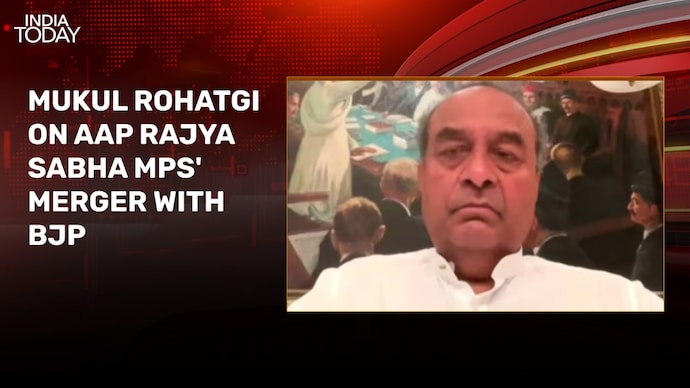
Defection should not be protected at all: Mukul Rohatgi

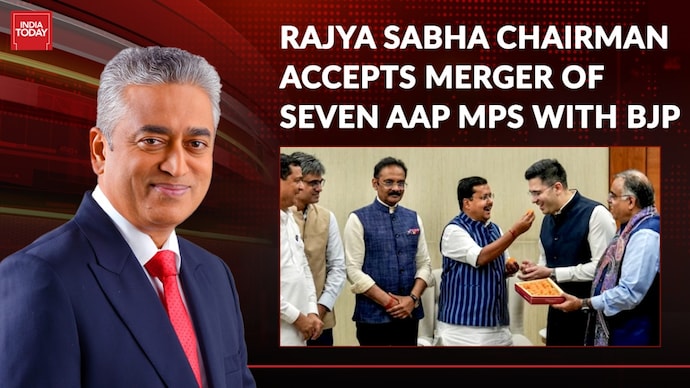
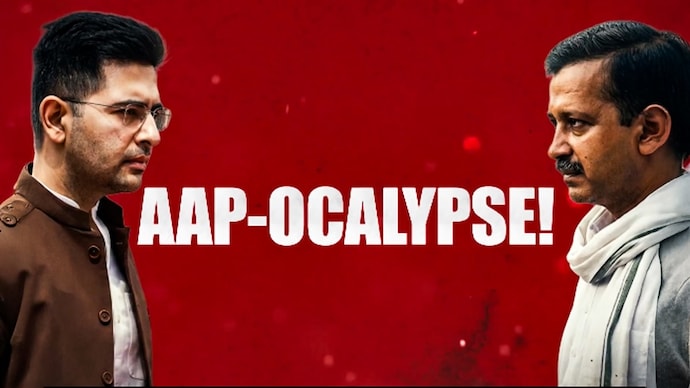
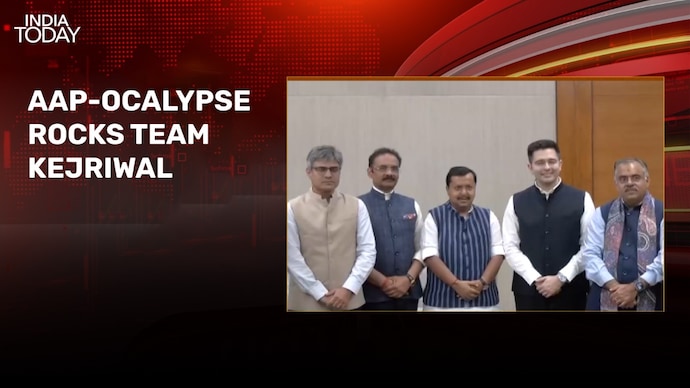
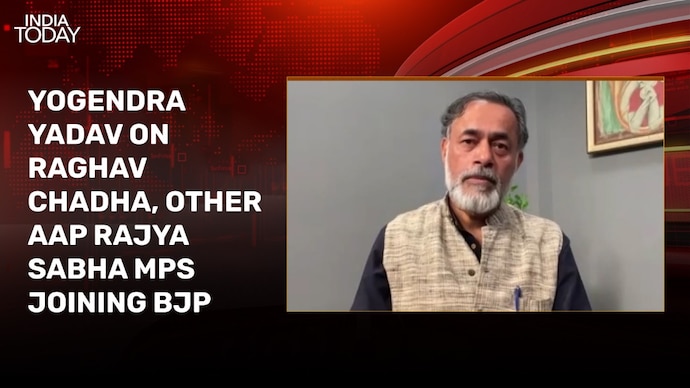
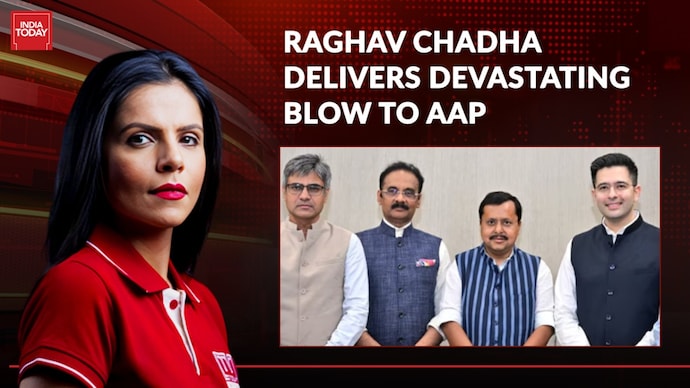
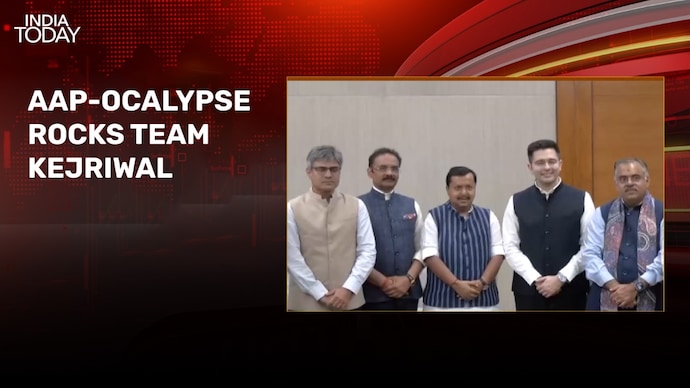
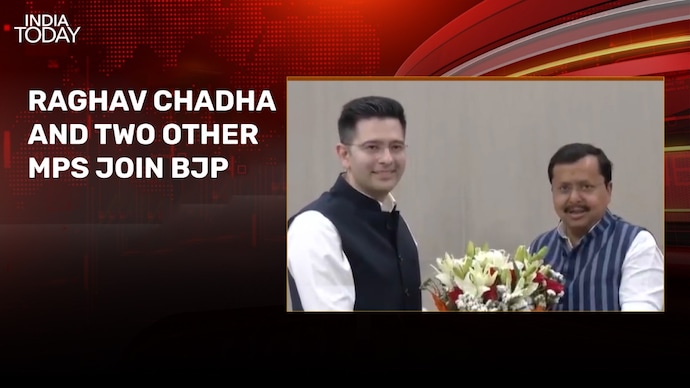
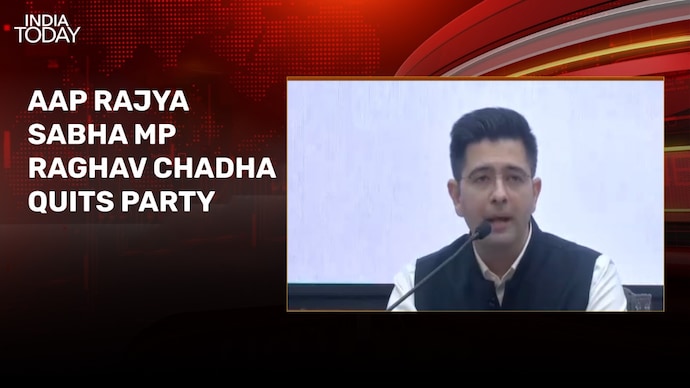
In an interview with India Today Consulting Editor Rajdeep Sardesai, former Attorney General of India and senior Supreme Court advocate Mukul Rohatgi discusses the recent defection of seven Aam Aadmi Party Rajya Sabha MPs to the Bharatiya Janata Party.

Video: PM raps TMC over women's bill defeat, infiltrators in Bengal

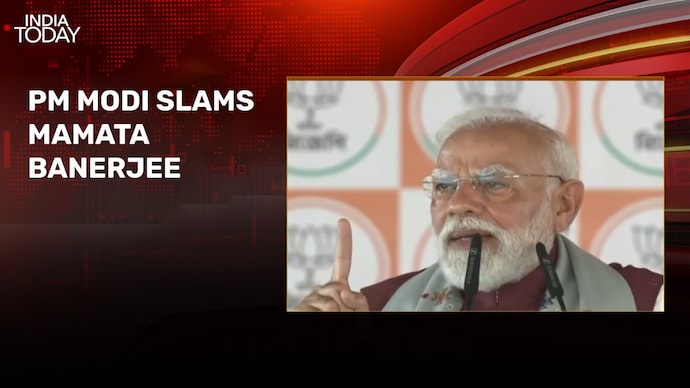
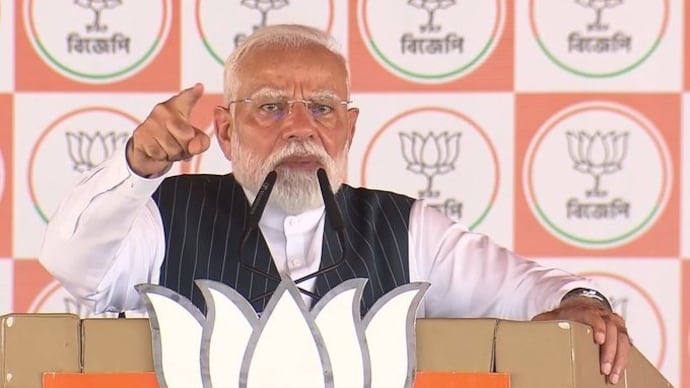
Ahead of the first phase of polling in West Bengal, the Prime Minister launched an attack on the Trinamool Congress and the Congress party, accusing them of betraying the women of the state. Addressing a public gathering, the Prime Minister alleged that both parties conspired to ensure the failure of the Women's Reservation Bill in Parliament, preventing women from securing thirty-three percent reservation. The Prime Minister claimed the ruling state party does not want women to become Members of Legislative Assembly or Members of Parliament as they challenge the current administration. Highlighting the national ruling party's focus on women's empowerment, the Prime Minister outlined several financial promises, including thirty-six thousand rupees annually under the Matrushakti Bharosa Card, twenty-one thousand rupees for pregnant women, and fifty thousand rupees for daughters' education. Furthermore, the Prime Minister accused the state government of breaking laws to benefit infiltrators and attempting to provide reservations based on religion, thereby undermining the Constitution.