Topic

Advertisement
TOPIC

Samajwadi Party


The Samajwadi Party (SP) is a distinguished political party in India, especially influential in the northern nation of Uttar Pradesh. Established on October 4, 1992, the party's foundation was rooted in socialist principles, aiming to represent the interests of the working class, farmers, and marginalized groups.


The Samajwadi Party emerged after the split of the Janata Dal into several regional parties. It was founded by Mulayam Singh Yadav in 1992. In the National Convention on January 1, 2017, Akhilesh Yadav was elected as the President of the Samajwadi Party.


The Samajwadi Party has contested elections for the Lok Sabha and state legislative assemblies across India; however, its primary successes have been primarily in Uttar Pradesh. In the 2012 Uttar Pradesh Legislative Assembly elections, the SP secured a resounding victory with a clear majority in the house. The party has produced two Chief Ministers for Uttar Pradesh so far, namely Mulayam Singh Yadav and Akhilesh Yadav. 


The SP's image, the bicycle, symbolizes progress, mobility, and inclusivity. This symbolism aligns with the party's core values of promoting equality and uplifting the masses, mainly in rural areas where bicycles serve as a vital mode of transportation.


The party's agenda prioritizes the welfare of the common people, with a focus on providing access to education, healthcare, and employment opportunities. It has implemented various social welfare schemes aimed at improving living standards and reducing poverty levels, particularly in rural regions. 

...Read More
  • ALL
  • STORIES
  • VIDEOS

STORIES

Samajwadi Party drops I-PAC plan after Bengal, Tamil Nadu flops

While the Akhilesh Yadav-led party has never officially announced a formal tie-up with I-PAC, sources within the party said discussions over a possible campaign-management arrangement had been underway for months. Those talks have now reportedly been shelved.

Load More

VIDEOS

Amid Hantavirus alert, doctors explain how Andes strain spreads, why it's deadly

The Prime Minister has issued an urgent austerity appeal, advising citizens to reduce fuel consumption, avoid gold purchases, and limit foreign travel due to rising crude oil prices and global economic pressures. This announcement triggered a sharp domestic stock market sell-off and drew criticism from opposition parties. Tensions escalated after a Samajwadi Party Member of Parliament from Uttar Pradesh used objectionable language against the Prime Minister, leading to demands for accountability. Simultaneously, a global health alert was issued following a deadly Hantavirus outbreak on a luxury cruise ship off the coast of Spain. The vessel reported multiple fatalities linked to the Andes strain, with two Indian crew members currently under quarantine. While health agencies have activated emergency containment protocols, medical experts clarify that the virus primarily spreads through rodents and human-to-human transmission remains limited. Meanwhile, diplomatic friction persists as Iran’s Foreign Ministry spokesperson expressed mistrust regarding international negotiation proposals aimed at resolving the ongoing West Asia crisis and threats to the Strait of Hormuz.

Who wants Manipur to burn? Top focus on 5 Live

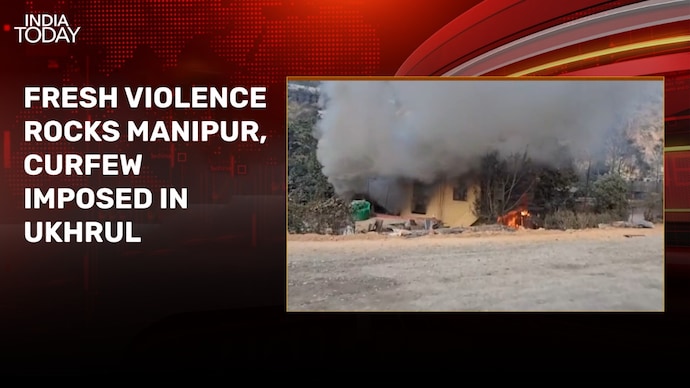
This edition of 5 Live focusses on the fresh violence that has erupted in Manipur's Ukhrul following which the government has suspended internet services and imposed a curfew. The violence erupted between Naga and Kuki groups in Ukhrul.

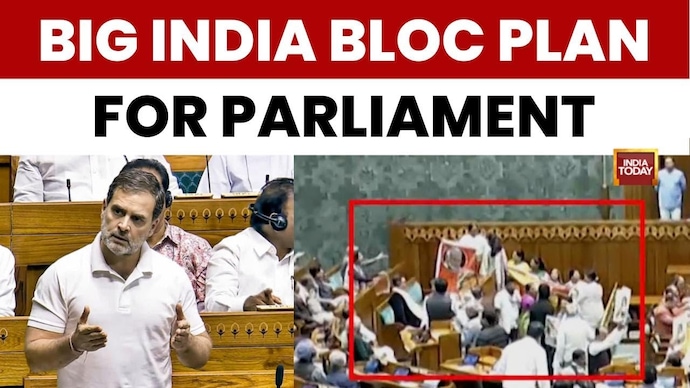
INDIA Bloc plan: Congress To Press For Rahul Gandhi To Speak In Lok Sabha

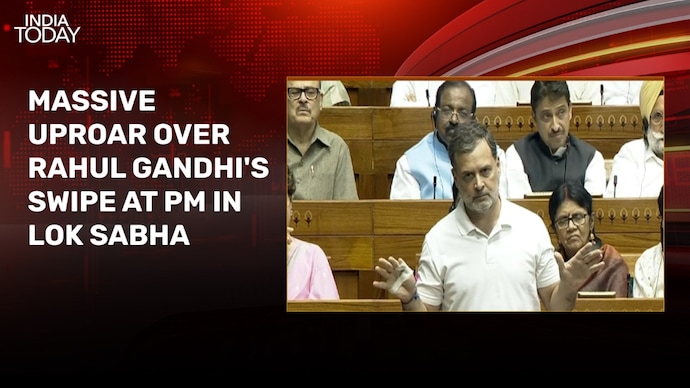
In this Special Report, India Today's Piyush Mishra sheds light on the evolving strategy of the opposition in Parliament amid mounting tensions. Following a 10 am meeting of INDIA alliance leaders, the Congress has resolved to intensify its demand that Leader of Opposition Rahul Gandhi be allowed to speak in the Lok Sabha. Mishra notes that Congress MPs are steadfast in their stance, insisting that "first Rahul Gandhi should be allowed to speak in the Lok Sabha" before the Prime Minister delivers his address. The report also highlights the possibility of similar demonstrations in the Rajya Sabha, as opposition parties seek to ensure their leaders' voices are heard on key national issues. The bulletin features a reaction from Samajwadi Party leader Ram Gopal Yadav, who stressed the fundamental role of discussion and debate in a functioning democracy. The programme delves into the political friction in both Houses, examining back-channel efforts and negotiations underway to resolve the ongoing parliamentary deadlock.

PM Modi To Address Rajya Sabha At 5 PM Today Amid Ongoing Opposition Protest

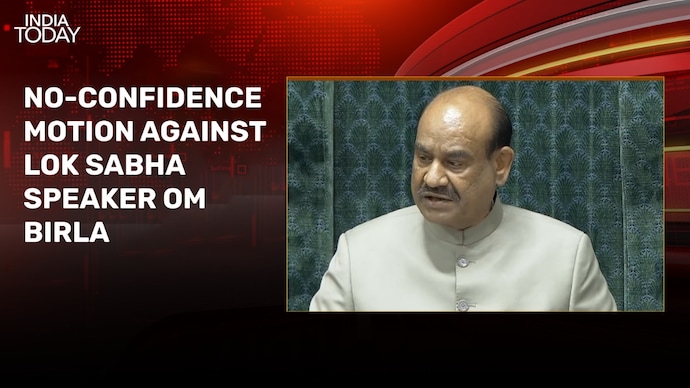
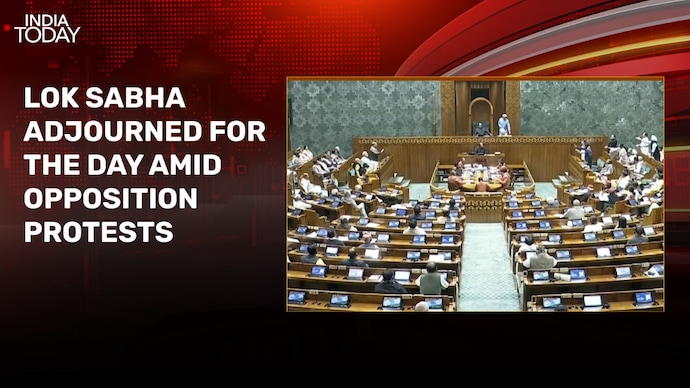
In this special report, attention turns to the escalating tension in Parliament as Prime Minister Narendra Modi is set to address the Rajya Sabha at 5 pm today. The development came after his scheduled Lok Sabha speech was cancelled amid a complete breakdown of parliamentary proceedings. Speaker Om Birla noted, "The standoff that we see continuously between the treasury benches and the opposition benches is not resolved yet". The report also underscores the suspension of eight opposition MPs and the controversy sparked by Leader of Opposition Rahul Gandhi's attempt to discuss national security and quote from an unpublished memoir of former Army Chief General MM Naravane. Despite efforts by the Speaker and Union Parliamentary Affairs Minister Kiren Rijiju to mediate, the deadlock continues.

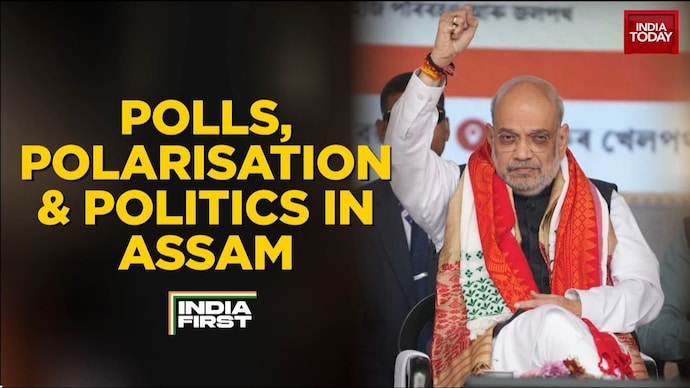
BJP Intensifies 'Ghuspetia' Attack As Opposition Slams Polarisation Bid In Assam

This report on India First examines the escalating political tension in Assam as the Bharatiya Janata Party (BJP) intensifies its 'Ghuspetia' (infiltrator) narrative. The focus remains on Chief Minister Himanta Biswa Sarma, who continues to double down on his 'Mia' ouster mission despite significant pushback from opposition parties. The Congress, Samajwadi Party, and Jamaat have collectively slammed these moves, describing them as a deliberate bid to polarise the electorate ahead of the polls. The speaker notes that 'the Chief Minister doubles down on the "Mia" attack', highlighting the uncompromising stance of the state leadership. The programme explores the intersection of polls, polarisation, and politics in Assam, analyzing how these communal rhetorics are shaping the current political discourse. The report provides a factual summary of the criticisms faced by the state government and the BJP's strategic persistence with its controversial campaign themes in the region.