TOPIC
Western Disturbance
A Western Disturbance is a weather system that originates over the Mediterranean region and travels eastward toward India, bringing rain, thunderstorms and snowfall to large parts of North India. The India Meteorological Department (IMD) closely monitors these systems because they play a major role in shaping winter and early summer weather across the country.
Unlike the southwest monsoon, Western Disturbances are non-monsoonal weather systems driven by strong westerly winds in the upper atmosphere. These extratropical storms gather moisture mainly from the Mediterranean Sea, Black Sea and Caspian Sea before moving toward South Asia.
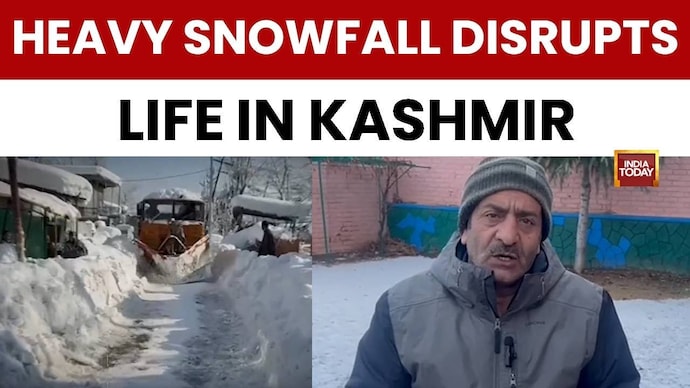
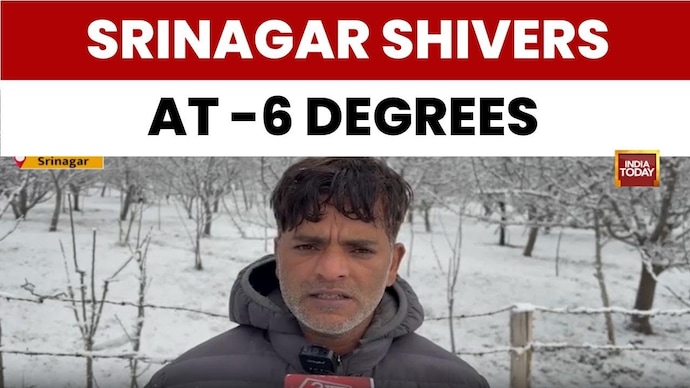
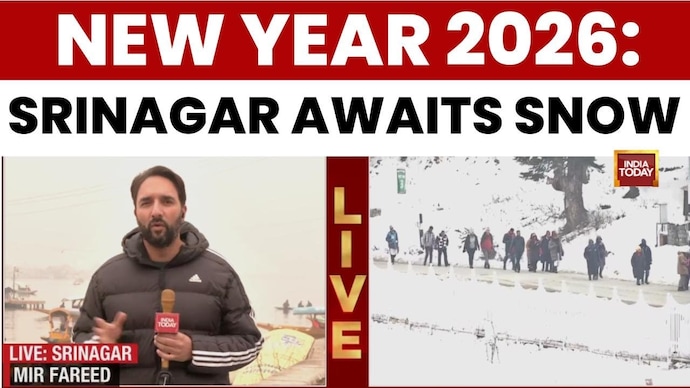
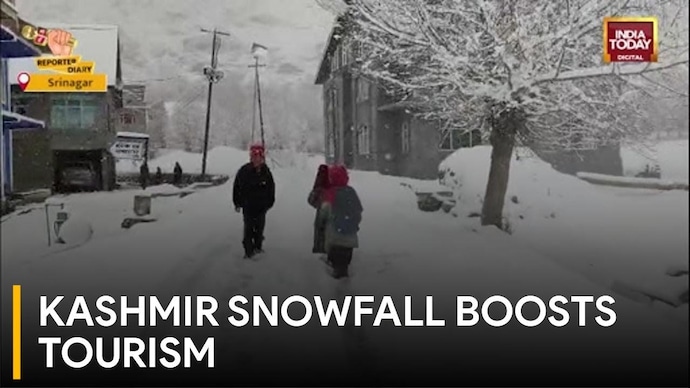
When a Western Disturbance reaches India, it affects states such as Jammu and Kashmir, Himachal Pradesh, Uttarakhand, Punjab, Haryana, Delhi, Rajasthan and western Uttar Pradesh. The system brings cloudy skies, rain, thunderstorms and hailstorms, while higher Himalayan regions often witness heavy snowfall.
These weather systems are especially important for agriculture. Winter rainfall caused by Western Disturbances provides crucial moisture for rabi crops such as wheat, mustard and barley. They also help break prolonged heat spells during summer months and influence temperature patterns across the Indo-Gangetic plains.
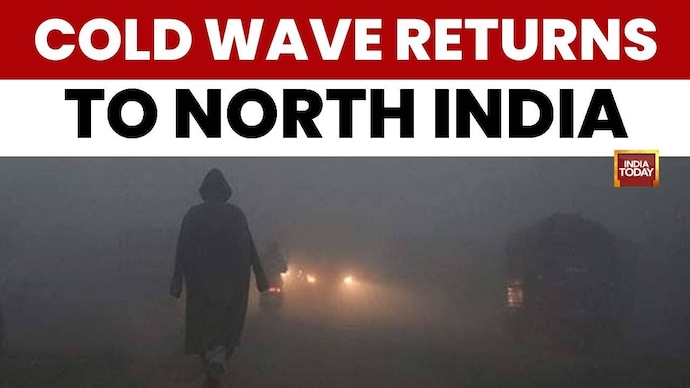
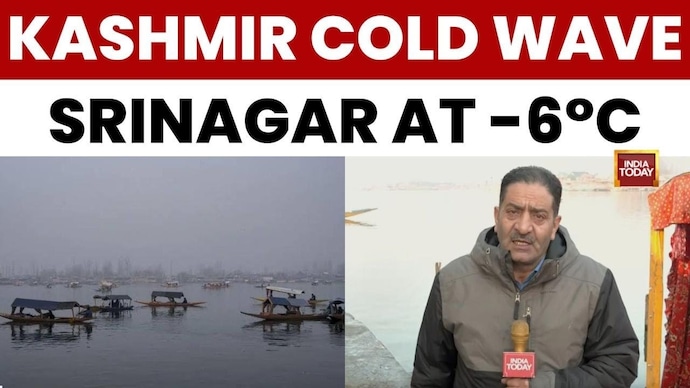
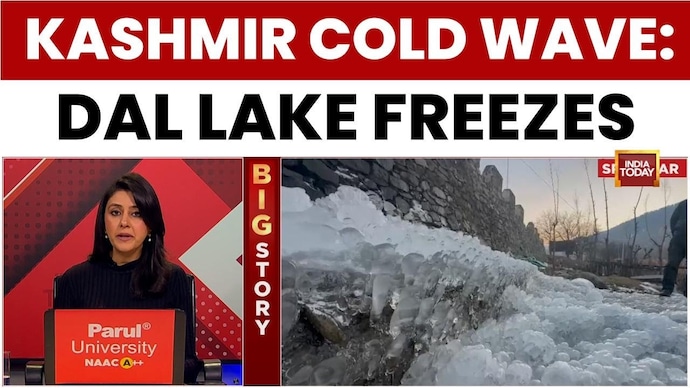
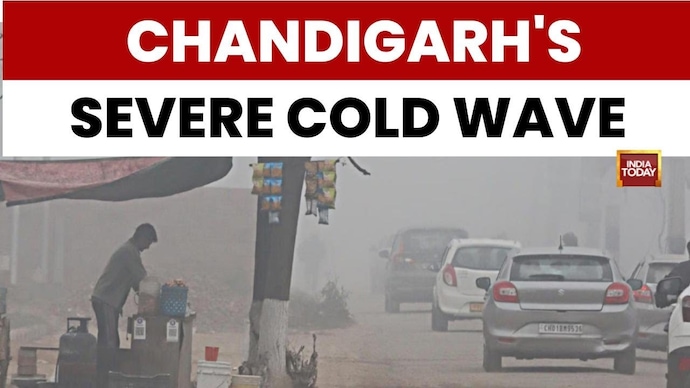
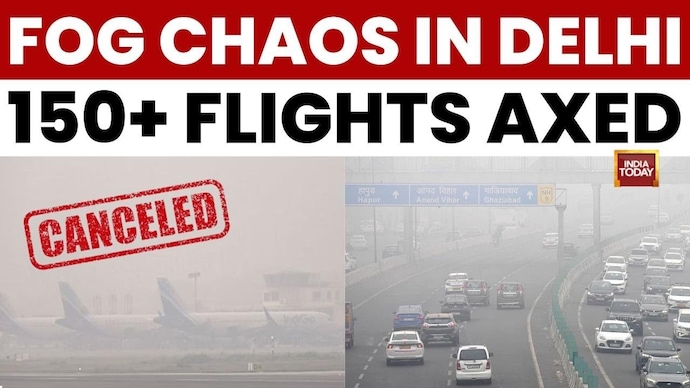
However, strong Western Disturbances can also trigger severe weather events. Heavy rainfall may lead to waterlogging, flash floods, landslides and crop damage, while intense snowfall in the Himalayas can block roads and increase avalanche risks. In some cases, they are also linked to cold waves and dense fog in North India.