Advertisement

India Today Explains: Why is Iran constantly firing missiles and drones at UAE?

In this episode of India Today Explains, we examine the West Asia war, focusing on Iran's escalating attacks on the United Arab Emirates. Since the conflict began, more than 1,700 missiles and drones have been launched towards the UAE, with over 90% intercepted by air defences, fighter jets, and helicopters, according to UAE's defence ministry. The attacks have shaken Dubai's long-standing reputation as a safe haven for global wealth and stability. Iran justifies the strikes, citing Dubai's strategic alignment with Washington and the UAE's designation as a major defence partner of the United States. Approximately 3,500 US personnel are reportedly stationed in the UAE, primarily at Al Dhafra Air Base. The UAE has emerged as one of Israel's closest regional partners since the 2020 Abraham Accords. The show also analyses the UAE's three-tier air defence system comprising THAAD, Patriot PAC-3, and Pantsir S1. The programme explores potential Gulf nation retaliation, Iran's internal dynamics, risks of civil war, and compares the US-Israel decapitation strategy with Iran's decentralised Mosaic warfare doctrine.

Read More

VIDEOS FROM OTHER SECTIONS

LATEST VIDEOS

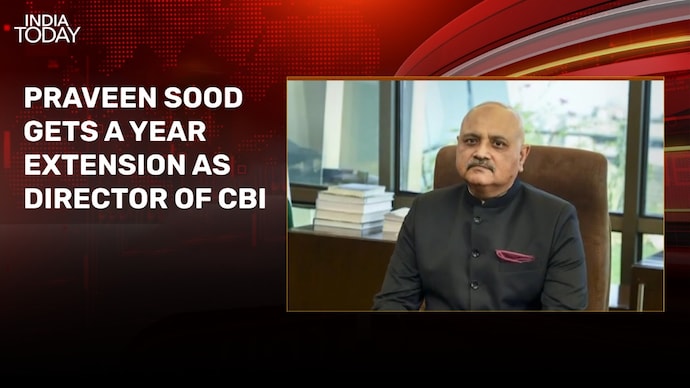
CBI Director Praveen Sood gets one-year extension

The Central Bureau of Investigation Director has received a one-year extension, continuing in the role until May next year. The decision was made by a high-power committee comprising the Prime Minister, the Chief Justice of India, and the Leader of Opposition.

advertisement

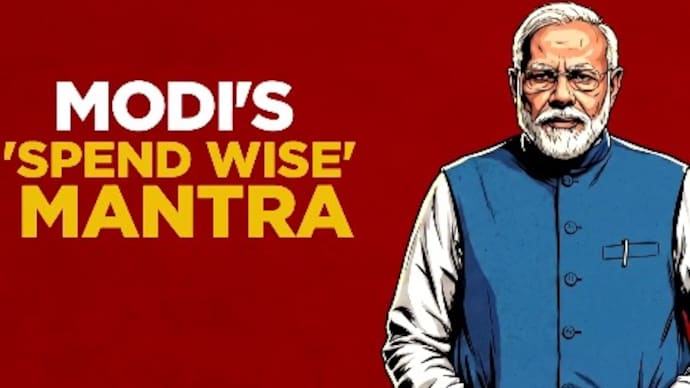
PM Modi cuts down convoy size: Is government preparing country for tough times?

The central government has implemented austerity measures, including reducing ministerial convoys to two vehicles, in response to a looming fuel crisis driven by West Asian geopolitical tensions. While the ruling party frames this as a necessary fiscal step, opposition leaders have labeled the move tokenism, demanding a special parliamentary session to address the economic situation and rising oil prices. Simultaneously, the national currency has depreciated to an all-time low against the dollar, prompting calls from experts for fiscal consolidation and reduced political populism. Amidst these economic challenges, a major controversy has emerged regarding the national medical entrance examination. Investigations into an alleged paper leak and an interstate exam mafia have resulted in multiple arrests across several states, revealing potential political links. Education experts are now advocating for a complete overhaul of the testing system, suggesting decentralized, computer-based examinations to ensure future transparency. Transparency activists further urge the government to disclose fuel stock data to prevent public panic and hoarding during this period of economic instability.