UPSC never faced leak, learn from them: Supreme Court raps NTA over NEET fiasco
The top court questioned how the NEET-UG paper leak slipped through multiple safeguards, saying responsibility must be fixed when systems fail.
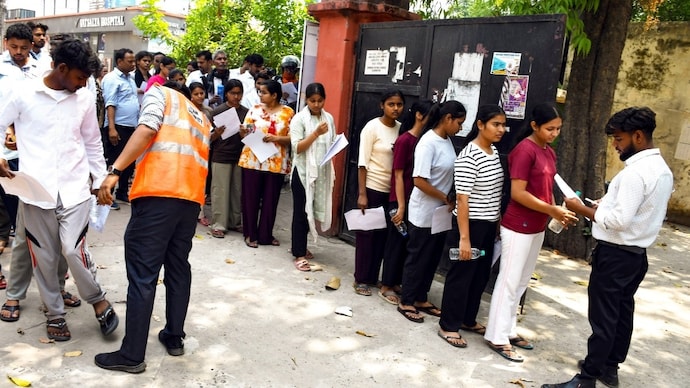
The Supreme Court on Friday pulled up the National Testing Agency (NTA) over the NEET-UG paper leak controversy, asking how such a major breach could occur despite monitoring mechanisms and oversight committees being in place.
Drawing a comparison with the UPSC, the court observed that such incidents had never occurred in the country's premier civil services examination and suggested that lessons needed to be learnt from its systems.
The remarks came during a hearing on the NEET-UG paper leak case, where Solicitor General Tushar Mehta appeared for the NTA and the High-Level Committee headed by former ISRO chairman Dr K Radhakrishnan.
The court took on record affidavits filed by the NTA and Dr Radhakrishnan while granting the Centre additional time to file its response.
WHAT DID THE SUPREME COURT ASK THE HIGH-LEVEL COMMITTEE?
Justice P S Narasimha questioned Dr Radhakrishnan about the extent of monitoring that had taken place following the committee's recommendations.
Noting that Dr Radhakrishnan had first served on the High-Powered Committee before being appointed to the monitoring committee, Justice Narasimha asked how much monitoring of implementation had actually taken place.
The court also asked Dr Radhakrishnan what had not been contemplated by the committee that allowed the paper leak to take place despite the safeguards recommended earlier.
WHAT REFORMS WERE RECOMMENDED BY THE COMMITTEE?
Responding to the court's concerns, Dr Radhakrishnan stated that the committee had submitted a total of 101 recommendations aimed at strengthening examination security and administration.
Of these, 60 were short-term recommendations specifically designed for implementation during the 2025-26 examination cycle.
He informed the court that most of the recommendations had already been implemented while others were currently in the process of implementation.
According to him, substantial improvements had already been made and the NTA had been significantly strengthened in recent months.
HOW DOES THE COMMITTEE EXPLAIN THE NEET UG PAPER LEAK?
When asked directly how the leak occurred, Dr Radhakrishnan said the issue stemmed from the process of question paper setting.
"The issue was with the setting of the question paper. Now, the setting of papers is also being strengthened," he told the court.
He said a secured testing implementation framework had already been initiated and described the changes as resulting in a "phenomenal improvement" in examination systems.
Dr Radhakrishnan assured the bench that the vulnerabilities identified had been addressed and maintained that such an incident would not recur during the upcoming re-test.
"Our target is reform," he said.
WHY IS THE SUPREME COURT STRESSING ACCOUNTABILITY?
The court made it clear that reforms alone would not solve the problem unless accountability was fixed.
"The real problem won't stop till actual accountability arises," the bench observed.
The judges clarified that accountability did not necessarily mean identifying a single individual to blame but ensuring clarity regarding where responsibility ultimately rests.
The court noted that while collective responsibility exists, repeated committees and meetings would serve little purpose unless institutions clearly identified who was responsible when failures occurred.
Without such accountability, the court warned, systemic shortcomings would continue to be repeated.
WHAT DID THE CENTRE SAY ABOUT THE INVESTIGATION AND RE-EXAM?
Solicitor General Tushar Mehta informed the court that investigations into the paper leak were ongoing.
He said new mechanisms were being put in place ahead of the June 21 re-examination and assured the bench that the matter was being monitored at the highest executive level.
According to the Centre, several security measures would be implemented before the re-test to prevent any recurrence of such incidents.
The Solicitor General also told the court that the Prime Minister was personally supervising the issue, underscoring the seriousness with which the government was treating the matter.
IS THE NEW SYSTEM BEING INSTITUTIONALISED?
The Supreme Court repeatedly stressed that examination reforms should not remain dependent on temporary or ad hoc arrangements.
The bench asked whether the new mechanisms were being institutionalised and observed that there must be "institutional memory" within the system.
The court emphasised that institutions must develop a permanent framework rather than relying on short-term measures whenever a crisis emerges.
"Ad hoc measures create problems," the bench observed. The judges stated that their endeavour was to ensure that NTA develops both the physical and institutional framework necessary for conducting secure examinations year after year.
WHY HAS THE HRD MINISTRY BEEN ASKED TO FILE AN AFFIDAVIT?
The Supreme Court directed the Union government to file a detailed affidavit on the NEET paper leak issue.
The court specifically asked the Ministry of Education (earlier referred to in proceedings as HRD Ministry) to explain how examinations would be conducted and concluded year after year in a secure and accountable manner.
The ministry has also been asked to indicate how institutional memory, specialised expertise, deployment of domain experts and long-term examination management systems would be established.
The court noted that while an earlier notice had gone to the Health Ministry, the Ministry of Education would now be responsible for addressing these concerns.
WHAT CHANGES HAVE BEEN MADE TO STRENGTHEN NTA?
Dr Radhakrishnan told the court that one of the committee's major findings was the shortage of domain experts within the examination ecosystem.
To address this, experts associated with highly competitive examinations including IIT-JEE, Kendriya Vidyalaya institutions and other specialised educational systems have now been brought into the process.
He said the committee was actively taking assistance from IITs and other expert institutions to strengthen examination security and oversight.
CAN NTA WORK MORE CLOSELY WITH PREMIER INSTITUTIONS?
During the hearing, the petitioner's counsel highlighted several areas of concern that still required attention.
The Supreme Court suggested that the committee could establish a mechanism through which concerns could be flagged and monitored on a continuing basis.
The bench also suggested collaboration with leading universities and institutions to improve examination governance.
In response, the Solicitor General stated that assistance from IIT professors had already been sought and that foolproof checks were being developed.
Dr Radhakrishnan confirmed that the committee was continuing to work closely with IITs and other experts.
WHAT HAPPENS NEXT IN THE NEET UG PAPER LEAK CASE?
As the hearing progresses, the Supreme Court's focus appears to be moving beyond immediate corrective measures toward long-term institutional reform and accountability.
While NTA, the High-Level Committee and the Centre have highlighted extensive reforms, enhanced security mechanisms and expert involvement, the court has made it clear that sustainable change will require clearly defined responsibility, institutional memory, specialised expertise and permanent structural safeguards.
The bench also acknowledged the enormous emotional and academic burden carried by students and their families.
"It is traumatic for the students and families. There is investment of so much emotion and years of study. We must rectify this," the court observed.
The outcome of the proceedings is expected to shape the future governance of NTA and the conduct of high-stakes national examinations, including NEET-UG, for years to come.
The Supreme Court on Friday pulled up the National Testing Agency (NTA) over the NEET-UG paper leak controversy, asking how such a major breach could occur despite monitoring mechanisms and oversight committees being in place.
Drawing a comparison with the UPSC, the court observed that such incidents had never occurred in the country's premier civil services examination and suggested that lessons needed to be learnt from its systems.
The remarks came during a hearing on the NEET-UG paper leak case, where Solicitor General Tushar Mehta appeared for the NTA and the High-Level Committee headed by former ISRO chairman Dr K Radhakrishnan.
The court took on record affidavits filed by the NTA and Dr Radhakrishnan while granting the Centre additional time to file its response.
WHAT DID THE SUPREME COURT ASK THE HIGH-LEVEL COMMITTEE?
Justice P S Narasimha questioned Dr Radhakrishnan about the extent of monitoring that had taken place following the committee's recommendations.
Noting that Dr Radhakrishnan had first served on the High-Powered Committee before being appointed to the monitoring committee, Justice Narasimha asked how much monitoring of implementation had actually taken place.
The court also asked Dr Radhakrishnan what had not been contemplated by the committee that allowed the paper leak to take place despite the safeguards recommended earlier.
WHAT REFORMS WERE RECOMMENDED BY THE COMMITTEE?
Responding to the court's concerns, Dr Radhakrishnan stated that the committee had submitted a total of 101 recommendations aimed at strengthening examination security and administration.
Of these, 60 were short-term recommendations specifically designed for implementation during the 2025-26 examination cycle.
He informed the court that most of the recommendations had already been implemented while others were currently in the process of implementation.
According to him, substantial improvements had already been made and the NTA had been significantly strengthened in recent months.
HOW DOES THE COMMITTEE EXPLAIN THE NEET UG PAPER LEAK?
When asked directly how the leak occurred, Dr Radhakrishnan said the issue stemmed from the process of question paper setting.
"The issue was with the setting of the question paper. Now, the setting of papers is also being strengthened," he told the court.
He said a secured testing implementation framework had already been initiated and described the changes as resulting in a "phenomenal improvement" in examination systems.
Dr Radhakrishnan assured the bench that the vulnerabilities identified had been addressed and maintained that such an incident would not recur during the upcoming re-test.
"Our target is reform," he said.
WHY IS THE SUPREME COURT STRESSING ACCOUNTABILITY?
The court made it clear that reforms alone would not solve the problem unless accountability was fixed.
"The real problem won't stop till actual accountability arises," the bench observed.
The judges clarified that accountability did not necessarily mean identifying a single individual to blame but ensuring clarity regarding where responsibility ultimately rests.
The court noted that while collective responsibility exists, repeated committees and meetings would serve little purpose unless institutions clearly identified who was responsible when failures occurred.
Without such accountability, the court warned, systemic shortcomings would continue to be repeated.
WHAT DID THE CENTRE SAY ABOUT THE INVESTIGATION AND RE-EXAM?
Solicitor General Tushar Mehta informed the court that investigations into the paper leak were ongoing.
He said new mechanisms were being put in place ahead of the June 21 re-examination and assured the bench that the matter was being monitored at the highest executive level.
According to the Centre, several security measures would be implemented before the re-test to prevent any recurrence of such incidents.
The Solicitor General also told the court that the Prime Minister was personally supervising the issue, underscoring the seriousness with which the government was treating the matter.
IS THE NEW SYSTEM BEING INSTITUTIONALISED?
The Supreme Court repeatedly stressed that examination reforms should not remain dependent on temporary or ad hoc arrangements.
The bench asked whether the new mechanisms were being institutionalised and observed that there must be "institutional memory" within the system.
The court emphasised that institutions must develop a permanent framework rather than relying on short-term measures whenever a crisis emerges.
"Ad hoc measures create problems," the bench observed. The judges stated that their endeavour was to ensure that NTA develops both the physical and institutional framework necessary for conducting secure examinations year after year.
WHY HAS THE HRD MINISTRY BEEN ASKED TO FILE AN AFFIDAVIT?
The Supreme Court directed the Union government to file a detailed affidavit on the NEET paper leak issue.
The court specifically asked the Ministry of Education (earlier referred to in proceedings as HRD Ministry) to explain how examinations would be conducted and concluded year after year in a secure and accountable manner.
The ministry has also been asked to indicate how institutional memory, specialised expertise, deployment of domain experts and long-term examination management systems would be established.
The court noted that while an earlier notice had gone to the Health Ministry, the Ministry of Education would now be responsible for addressing these concerns.
WHAT CHANGES HAVE BEEN MADE TO STRENGTHEN NTA?
Dr Radhakrishnan told the court that one of the committee's major findings was the shortage of domain experts within the examination ecosystem.
To address this, experts associated with highly competitive examinations including IIT-JEE, Kendriya Vidyalaya institutions and other specialised educational systems have now been brought into the process.
He said the committee was actively taking assistance from IITs and other expert institutions to strengthen examination security and oversight.
CAN NTA WORK MORE CLOSELY WITH PREMIER INSTITUTIONS?
During the hearing, the petitioner's counsel highlighted several areas of concern that still required attention.
The Supreme Court suggested that the committee could establish a mechanism through which concerns could be flagged and monitored on a continuing basis.
The bench also suggested collaboration with leading universities and institutions to improve examination governance.
In response, the Solicitor General stated that assistance from IIT professors had already been sought and that foolproof checks were being developed.
Dr Radhakrishnan confirmed that the committee was continuing to work closely with IITs and other experts.
WHAT HAPPENS NEXT IN THE NEET UG PAPER LEAK CASE?
As the hearing progresses, the Supreme Court's focus appears to be moving beyond immediate corrective measures toward long-term institutional reform and accountability.
While NTA, the High-Level Committee and the Centre have highlighted extensive reforms, enhanced security mechanisms and expert involvement, the court has made it clear that sustainable change will require clearly defined responsibility, institutional memory, specialised expertise and permanent structural safeguards.
The bench also acknowledged the enormous emotional and academic burden carried by students and their families.
"It is traumatic for the students and families. There is investment of so much emotion and years of study. We must rectify this," the court observed.
The outcome of the proceedings is expected to shape the future governance of NTA and the conduct of high-stakes national examinations, including NEET-UG, for years to come.

