
Air India cuts flights to major global destinations as fuel costs surge
Air India has suspended and reduced several international services from June as fuel prices rise and airspace restrictions bite. The cuts underline growing pressure on long-haul operations, with the airline warning that more routes could turn unviable.
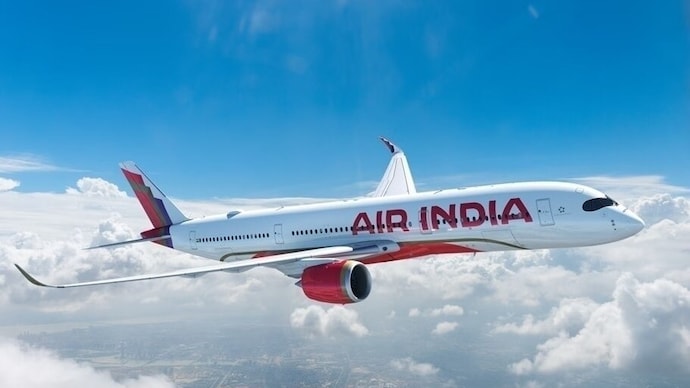

Air India has announced temporary reductions and suspensions on several international routes till August 2026 as the airline deals with prolonged airspace restrictions and record-high jet fuel prices that have hurt the commercial viability of some operations.
The airline said the move is aimed at “improving network stability and reducing last-minute inconvenience to passengers.” Despite the temporary adjustments, Air India said it will continue operating more than 1,200 international flights every month across five continents.
Air India said it will continue operating 33 weekly flights to North America, 47 weekly flights to Europe, 57 weekly flights to the UK, eight weekly flights to Australia, 158 weekly flights to Far East, Southeast Asia and SAARC destinations, along with seven weekly flights to Mauritius.
NORTH AMERICA, EUROPE ROUTES SEE MAJOR CHANGES
Among the biggest changes, Air India has temporarily suspended its Delhi-Chicago service. Delhi-San Francisco flights will be reduced from 10 weekly services to seven through August, while Delhi-Toronto flights will drop from 10 weekly services to five through July before returning to daily operations in August. Delhi-Vancouver services have also been reduced from seven weekly flights to five.
The airline said Mumbai-Newark flights will increase from three weekly services to seven weekly flights. However, Delhi-Newark and Mumbai-New York JFK services will be temporarily suspended, while Delhi-New York JFK will continue operating daily.
In Europe, Delhi-Paris flights have been reduced from 14 weekly services to seven. Delhi-Copenhagen services will drop from four weekly flights to three, while Delhi-Milan flights will reduce from five weekly services to four. Flights from Delhi to Vienna, Zurich and Rome will also be reduced from four weekly services to three.
ASIA, AUSTRALIA SERVICES CUT; SOME ROUTES SUSPENDED
Air India has also reduced frequencies on multiple routes in Australia and Asia. Delhi-Melbourne and Delhi-Sydney flights will be cut from seven weekly services to four.
Among Asian routes, Delhi-Shanghai flights have been temporarily suspended through August. Delhi-Singapore flights will reduce from 24 weekly services to 14, while Mumbai-Singapore services will be cut from 14 weekly flights to seven. Chennai-Singapore flights have also been temporarily suspended.
Delhi-Bangkok flights will reduce from 28 weekly services to 21 from July, while Mumbai-Bangkok flights will drop from 13 weekly services to seven. Delhi-Kuala Lumpur services will reduce from 10 weekly flights to five. Flights from Delhi to Ho Chi Minh City and Hanoi will also operate at lower frequencies in July and August.
Delhi-Kathmandu flights will reduce from 42 weekly services to 28 in June and further to 21 in July and August. Delhi-Dhaka services will reduce from seven weekly flights to four, while Mumbai-Dhaka flights have been temporarily suspended through August.
Mumbai-Colombo flights will reduce from seven weekly services to four, while Delhi-Colombo services will reduce from 14 weekly flights to 12. Delhi-Mal flights have also been temporarily suspended through August.
AIR INDIA OFFERS REFUNDS, FREE DATE CHANGES
Air India said passengers affected by cancellations will be “proactively assisted” with re-accommodation on alternative Air India flights, free date changes or full refunds, depending on eligibility. The airline added that it remains available to support passengers through its “24x7 contact centre and digital channels.”
The airline further said it is “working closely with the regulators, airport authorities, and industry partners to restore full capacity as soon as conditions permit.” However, Air India warned that it “may make further adjustments to its network” if the “extraordinary operating environment” continues.