Advertisement

GK & Current Affairs

Why Nepal is objecting to Kailash Mansarovar Yatra via Lipulekh Pass

Nepal has objected to the Kailash Mansarovar Yatra via Lipulekh Pass, saying the route crosses territory it claims. The dispute traces back to the 1816 Treaty of Sugauli and competing claims over the Kali river's origin, making a religious journey part of a larger geopolitical contest.

Lipulekh Pass dispute explained: Treaty of Sugauli and Nepal claim

Polity and Governance

Thucydides Trap: How an Ancient Greek warning applies to US–China tensions today

'Thucydides Trap' is back in focus as tensions between the United States and China sharpen. When Xi Jinping invoked the idea during talks with Donald Trump, it was less about explaining history and more about signalling a concern. As China rises and the US guards its position, the fear and competition that once shaped ancient conflicts are now being used to frame a fragile moment in global power politics.

'Thucydides Trap' meaning explained as US-China rivalry resurfaces in Xi-Trump talks

Polity and Governance

No rallies, no TV ads: Japan runs elections in 12 days, here are the rules

Japan runs elections very differently from India. Campaigns last just days, door-to-door canvassing is restricted, and posters are tightly controlled. With strict spending limits and transparency rules, the focus shifts from spectacle to substance, offering a striking contrast to loud and large-scale election practices seen elsewhere.

Japan election system: Rules, spending, posters, and campaign explained

Polity and Governance

From Israel to South Korea: Countries with mandatory military service for people

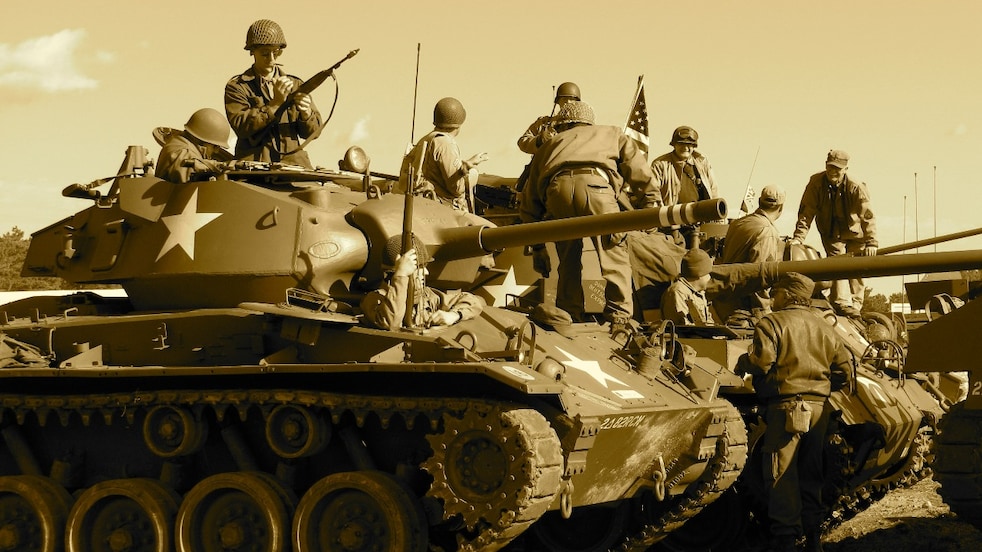
The US is set to automatically register young men for the draft from December 2026, sparking fresh debate. But which countries actually require mandatory military service? This explainer breaks down global conscription systems, including nations like Israel, South Korea and Finland, and how they differ from voluntary armies.

Which countries require mandatory military service for citizens?
advertisement

Polity and Governance

Who are the Baloch people? A tribe with over 2,000 years of history

The Baloch, a community with over 2,000 years of recorded history, remain one of the oldest native groups in the region, spread across parts of South and West Asia. Living in some of the toughest terrains, they have endured centuries of conflict, migration, and invasion. Here is a look at the history of the Baloch people.

Polity and Governance

Top 10 air defence systems in the world in 2026

Air defence systems have become a major focus in modern warfare. Countries are investing heavily in these technologies as missiles and drones dominate today's battlefield. From Tehran to Dubai, recent conflicts show that air defence networks are the real protectors of cities and strategic assets. Here is what you need to know.

advertisement

Polity and Governance

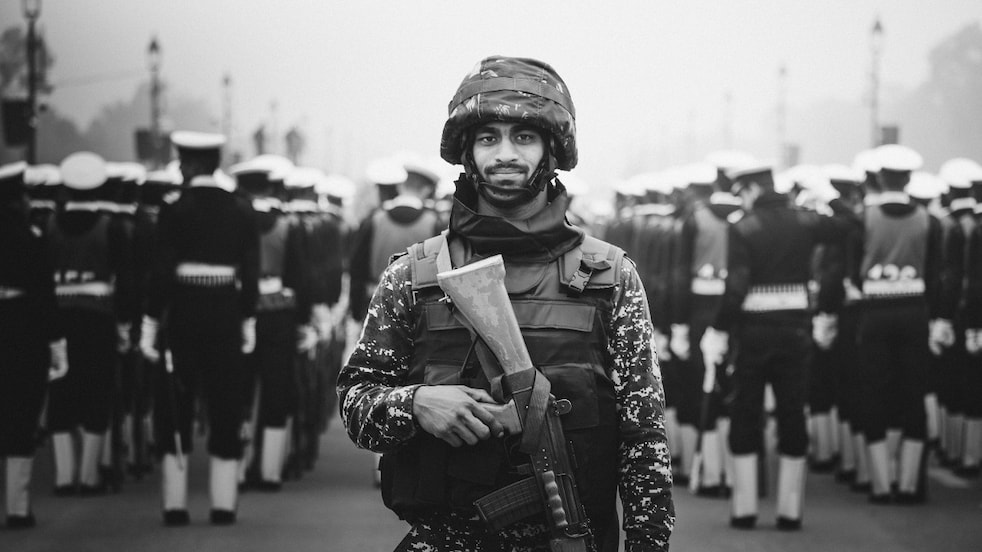
Which country has the strongest military in the world in 2026?

The Global Firepower Index 2026 has once again ranked the world's strongest militaries, offering a snapshot of how countries compare in terms of defence capability and resources. Based on dozens of indicators such as manpower, equipment, and budgets, the latest ranking places the United States, Russia, China, and India among the top military powers globally.

Which country has the strongest military in the world in 2026?

Polity and Governance

Iran has two armies: What is the IRGC and why it matters

Iran does not rely on a single unified military. Alongside its regular army, Artesh, stands the Islamic Revolutionary Guard Corps (IRGC), created after the 1979 revolution to protect the new regime. Here's how the IRGC differs from the army and why it holds unusual power inside Iran and beyond.

What is the IRGC? Iran’s dual military structure explained

Polity and Governance

Why does Iran have both a President and a Supreme Leader?

Iran calls itself an Islamic Republic, but its system blends elections with religious authority. The country has both a President and a Supreme Leader — and they do not share equal power. Here's how this unique structure emerged after 1979 and who ultimately calls the shots.

Why Iran has both a President and a Supreme Leader

Polity and Governance

How did Epstein Island become a legal blind spot? Could it happen in India?

The shocking release of the Epstein files — millions of pages of court records, emails and images — has reignited global debate about how a private island became a legal blind spot where abuse, trafficking and cover-ups played out away from public view, revealing more about power, privilege and the law's limits.

How Epstein’s private island became a legal blind spot for global elites
advertisement

Polity and Governance

Which countries have the strictest laws in the world today?

From strict punishments for crimes like robbery in Saudi Arabia to laws that criminalise same-sex relationships in several parts of the world, legal systems have been shaped by centuries of history, belief, and power. Here is a closer look at the countries where the law remains among the harshest today.

Law

Polity and Governance

India once rejected this Balochistan port. China controls it today

Gwadar port in Pakistan's Balochistan is at the centre of unrest, geopolitics and Chinese influence. Once ruled by Oman and later offered to India, this strategic coastal town is now operated by China for decades, raising questions about sovereignty, local anger and South Asia's missed geopolitical turns.

Gwadar port history: Oman, Pakistan, China and the India offer

Polity and Governance

When Dubai answered to Delhi: The forgotten India–Gulf connection

Long before oil transformed Dubai, the city was closely tied to British India. From Indian passports and the Indian rupee to administrators reporting to Delhi, large parts of today's Gulf were once governed through India. Here's the fascinating history behind that forgotten connection.

When Dubai and Abu Dhabi answered to British India

Polity and Governance

India's oldest Regiments and the Army they created

India's oldest regiment is now over 250 years old, carrying a legacy that has helped define the Army over time. As years passed, more regiments were raised, expanding this tradition and forming the core of the modern Indian Army. From the Rajputana Rifles to the Jat Regiment, the Army continues to carry forward this legacy with discipline and continuity. Here is the history of the regiments of the Indian Army that have contributed significantly, time and again.

Polity and Governance

PMS, PMO to Seva Teerth: How India's PMO evolved from Nehru's era

India's Prime Minister's Office has evolved dramatically since Independence. From a small Prime Minister's Secretariat inspired by Britain's 10 Downing Street under Jawaharlal Nehru, the PMO expanded over decades. As it prepares to shift to the Seva Teerth complex, here's a look at how it took shape.

History of India’s PMO: from Nehru’s PMS to Seva Teerth

Polity and Governance

What is MNREGA? The scheme that guarantees 100 days of rural work

MNREGA is India's landmark rural job guarantee scheme that promises up to 100 days of paid work each year. From its origins in rural distress to its role during crises like Covid, here is a clear explainer on how the scheme works, what it offers, and why it still matters.

MNREGA explained: History, benefits and why the scheme still matters
Load More