

How red tape got its name: When old file ribbons became bureaucracy
'Red tape' is now shorthand for delays and paperwork, but the phrase began as something real. Old government and legal files were once tied with red cloth ribbon to keep papers secure and organised. Over time, the symbol of order turned into a global shorthand for delays, bureaucracy, and slow-moving official systems everywhere today.

‘Red tape’ is now shorthand for delays and paperwork, but the phrase began as something real. Old government and legal files were once tied with red cloth ribbon to keep papers secure and organised. (AI-generated image)

Walk into an old government record room, court archive, railway office, or school storeroom, and you may spot the same strange sight. Towers of dusty paper files, bundled tightly with a strip of red cloth tape.
It looks dramatic. It looks old-fashioned. It also gave the English language one of its most famous phrases: red tape.
Today, people use “red tape” to complain about delays, forms, permissions, and endless bureaucracy. But the phrase began with something very real. It was once an actual ribbon used to tie important documents.
HOW RED TAPE BECAME OFFICIAL
The practice became common in Britain several centuries ago. Important legal and administrative papers were tied with red cloth tape so bundles stayed organised, sealed, and easy to identify.
When the British Empire expanded, its paperwork habits travelled too. Colonial offices in India, courts, land departments, railways, revenue boards, and secretariats adopted the same style of filing. Thick paper bundles tied in red tape became a familiar part of official life.
Why red? It stood out clearly against brown paper, parchment, and plain files. It was visible, practical, and easy to spot in crowded record rooms.
WHY CLOTH TAPE WAS BETTER THAN STRING
This was not just about looks.
Cloth tape was stronger than ordinary thread and gentler on papers than rough rope. It could hold large bundles together without tearing pages. It could also be untied and reused many times.
That mattered in offices where one file might be opened by multiple clerks, sent between departments, stitched with new papers, then tied again.
In many places, the red tape was threaded through punched holes in the file itself, making a secure package before modern folders, plastic tags, and metal clips became common.
HOW IT TURNED INTO A SYMBOL OF DELAY
By the 18th and 19th centuries, critics in Britain began mocking official departments for drowning in paperwork. Important matters moved slowly through tied bundles, signatures, and layers of approval.
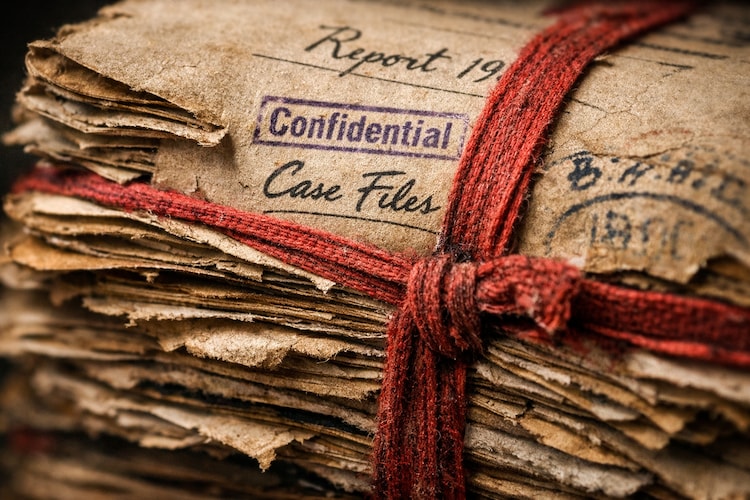
So “red tape” stopped meaning ribbon and started meaning bureaucracy.
The phrase spread worldwide. Today, if a business licence takes months or a file needs ten signatures, people still call it red tape, even when no ribbon exists.
WHY INDIA STILL RECOGNISES IT
In India, the image survived longer because paper files remained central to administration for decades. Revenue records, court papers, school registers, pension files, and land disputes often lived inside tied bundles.
Even now, in the age of digital governance, old record rooms still preserve that sight: stacks of files bound in red cloth strips, carrying decades of decisions, disputes, and history.
A simple ribbon outlived empires and entered everyday language.
Now that is rare power for office stationery.
- Ends