
Oldest beer bill: 4,000-year-old tablet reveals magic spells, fear, bar receipt
The ancient collection has many items that deal with kings and curses and daily life. But a particular collection of ancient tablets contained something still widely used.
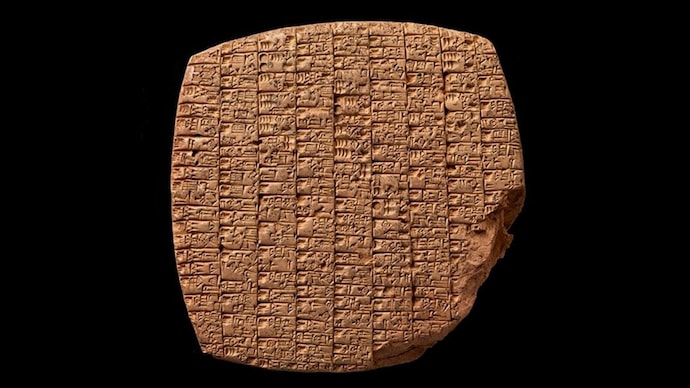

A collection of clay tablets sitting largely untouched in the National Museum of Denmark for over a century has finally given up its secrets.
Researchers from the museum and the University of Copenhagen have deciphered the entire collection, uncovering a world of royal intrigue, ancient magic, and the surprisingly relatable paperwork of early civilisation, including what may be history's oldest bar receipt. A receipt for a beer.
The tablets, many over 4,000 years old, are written in cuneiform, which is one of the earliest writing systems in human history, developed around 5,200 years ago in what is now Iraq and Syria.
The project, called "Hidden Treasures: The National Museum's Cuneiform Collection," is the first comprehensive effort to analyse, identify, and digitise these artefacts in their entirety.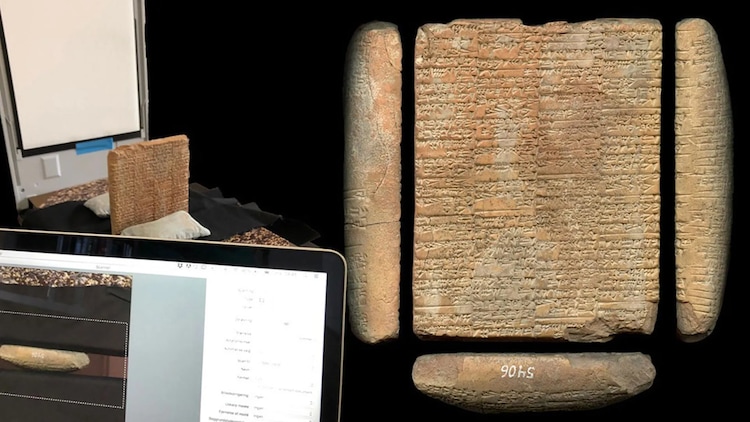
BEER AND BUREAUCRACY
The ancient collection has many items that deal with kings and curses and daily life. But a particular collection of ancient tablets contained something still widely used: a bill for a beer.
Tablets from excavations at Tell Shemshara in northern Iraq include correspondence between a local leader and an Assyrian king from around 1800 BC, alongside routine administrative records, including inventories, personnel lists, and financial accounts.
It is a reminder that even the most ancient civilisations ran on paperwork.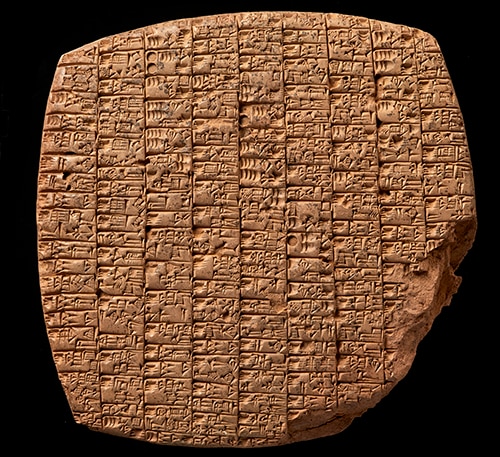
The tablet containing the receipt drives that point home with unexpected charm.
"It is therefore not surprising that one of the tablets in the National Museum's collection contains something as commonplace as a very old receipt for beer," Arboll concluded.
The fact that a scribe 4,000 years ago felt the need to document a beer transaction, pressed carefully into clay and preserved across millennia, sums up the profound human nature and instincts that have survived for centuries.
KINGS AND CURSES
Amongst the most surprising discoveries are texts originating from the ancient Syrian city of Hama, left behind when Assyrian forces destroyed it in 720 BC.
These tablets, nearly 3,000 years old, contain medical treatments and magical incantations from what researchers believe was once a large temple library.
One tablet stood out.
"One of the clay tablets turned out to contain a so-called anti-witchcraft ritual, which was of enormous importance to the royal authority in Assyria because it had the remarkable ability to ward off misfortunes — such as political instability — that might befall a king," said Troels Arboll, a member of the team studying the relics.
The ritual lasted an entire night and involved burning small figures of wax and clay while an exorcist recited specific incantations. Finding such a text so far from the Assyrian empire's heartland surprised researchers considerably.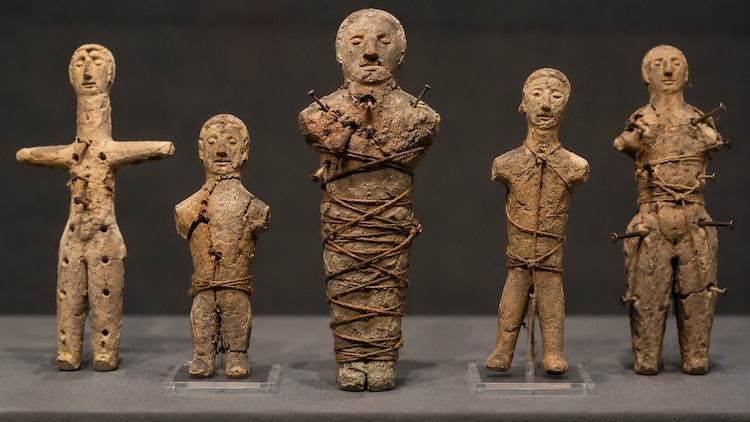
The collection also contains a copy of a list, including a document recording rulers stretching back around 4,500 years that carries significant implications for one of history's greatest legends.
"That makes this regnal list one of the few relics we have that suggests Gilgamesh may have actually existed. We had no idea we had a copy of that list here in Denmark. It is quite spectacular," said Arboll.