
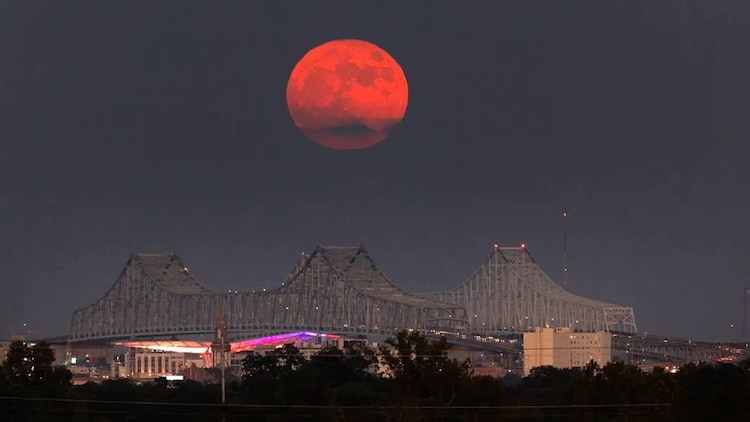
Blue Moon is coming: Will the Moon really turn blue? Here's the science
The Moon will be called a Blue Moon on May 31. But will it actually turn blue? Here is the science behind it.
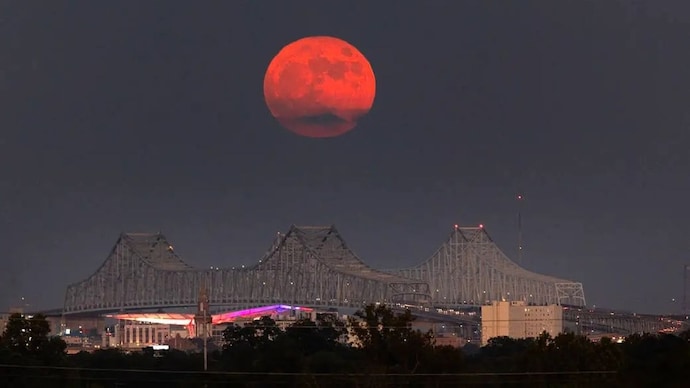
The full Moon on May 31 will be called a Blue Moon. Know the science behind it. (Photo: Nasa)

This May, the Moon has a surprise in store, and it is rarer than you think.
Along with a meteor shower tied to one of history's most famous comets and a dazzling meetup between the Moon and Venus, the night sky is about to put on quite a show.
The best part? You do not need a telescope to enjoy any of it.
The Blue Moon is set to arrive.
WHAT IS A BLUE MOON, AND WHY IS MAY 31 SPECIAL?
May ends with a full Moon on May 31, and this one carries a special name: a Blue Moon.
A Blue Moon simply refers to the second full Moon within a single calendar month. It has nothing to do with colour.
The Moon will look perfectly normal. The phrase once in a Blue Moon exists precisely because this is a relatively rare occurrence.
WHAT IS THE AQUARID METEOR SHOWER, AND WHEN CAN YOU SEE IT?
The Eta Aquarid meteor shower is set to peak on the nights of May 5 and 6. These shooting stars are not random space debris.
They come from Halley’s Comet, one of the most famous comets in history.
Every year, Earth passes through the dusty trail left behind by the comet, and those tiny particles burn up in our atmosphere, creating bright streaks of light across the sky.
These meteors are impressively fast, entering Earth’s atmosphere at around 40 miles per second (64.3738 kilometres per second).
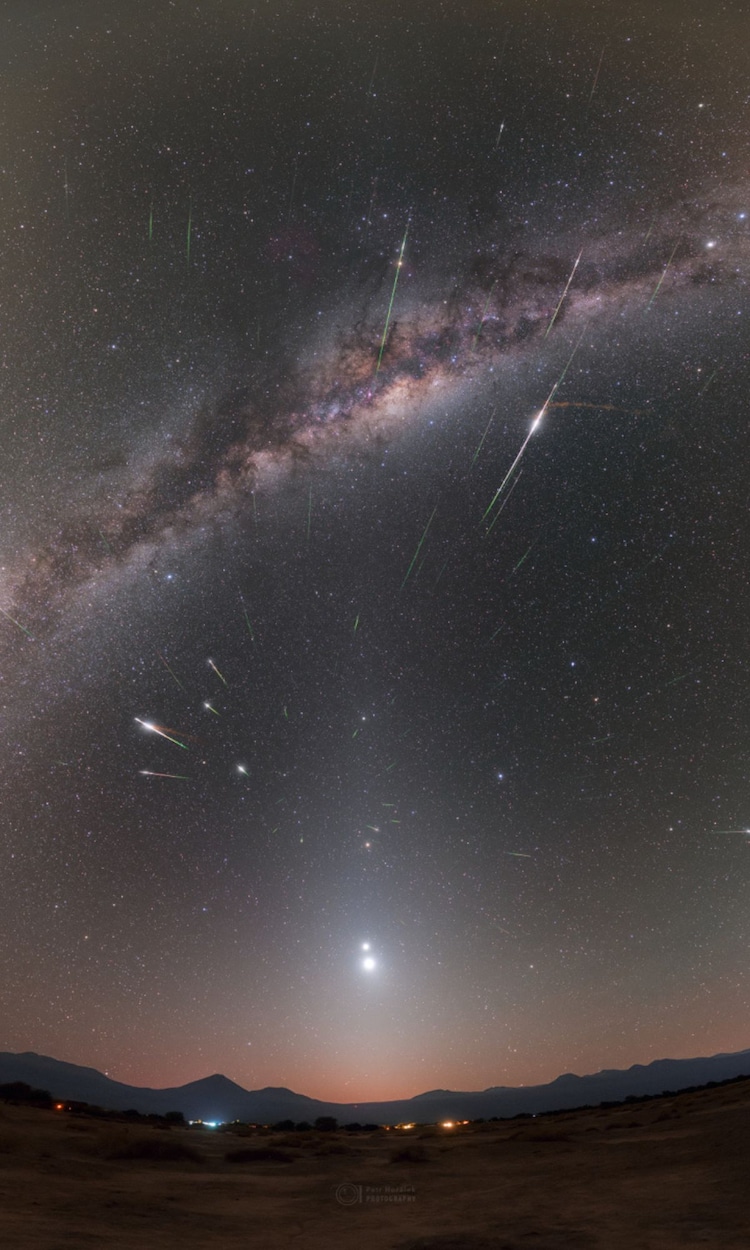
At that speed, they often leave behind glowing trails that linger briefly after the flash. Under ideal conditions, you could spot up to 50 meteors per hour.
However, bright moonlight this year may dim some of the fainter ones.
The best time to watch is in the hours before dawn. Head somewhere dark, away from city lights, and give your eyes at least 20 to 30 minutes to adjust. Put your phone away, else the screen will ruin your night vision.
Halley's Comet last swung through the inner solar system in 1986 and will not return until 2061.
WHAT WILL YOU SEE IN THE WESTERN SKY ON MAY 18?
On the evening of May 18, look west just after sunset. The crescent Moon will appear close to Venus, the brightest planet visible from Earth.
So bright, in fact, it is often called the Evening Star. They will look like neighbours in the sky, though in reality they are separated by millions of kilometres.
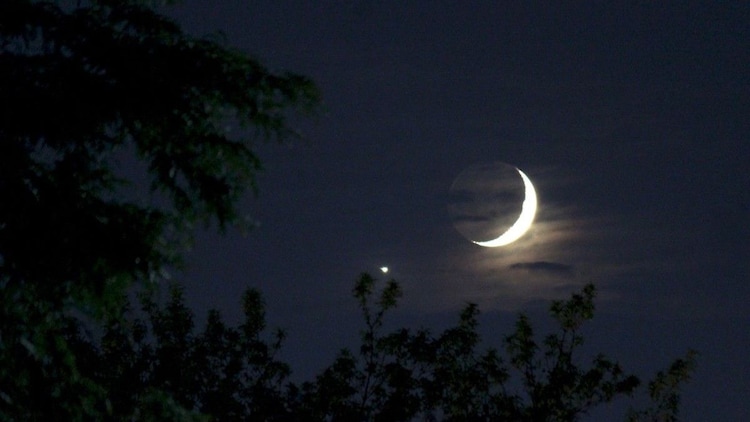
The Moon acts like a handy pointer, making Venus easy to spot even for first-time stargazers.
Three lunar moments, one spectacular month. Look up.
- Ends