
No relief: 76% of Delhi experienced extreme heat since 2015, new study reveals
Delhi has faced repeated extreme heat stress over the past decade, from 2015-2024. Here's why the capital is becoming hotter and who is most at risk.
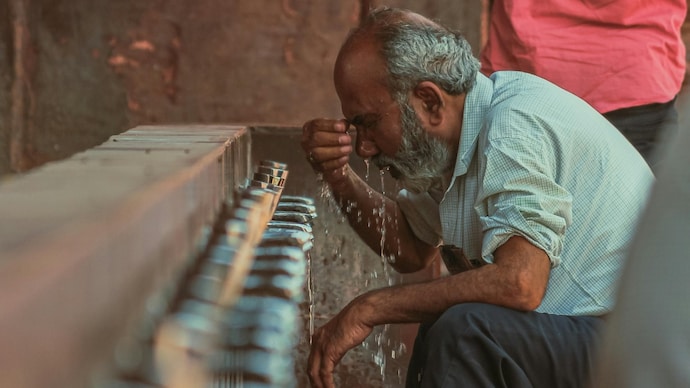

Nearly 76% of Delhi's area has faced dangerous levels of heat stress for six or more years between 2015 and 2024, putting millions that reside in the capital city under severe heat stress.
The findings, released by the Centre for Science and Environment (CSE), come as Delhi continues to endure another sweltering summer, and illustrate how the city housing over 35 million people has been dealing with extreme heat in recent years, and how the rising temperatures are permeating through everyday lives and reshaping them one day at a time.
What's more alarming is the finding that almost 99% of Delhi crossed the high-heat mark at least once during this decade.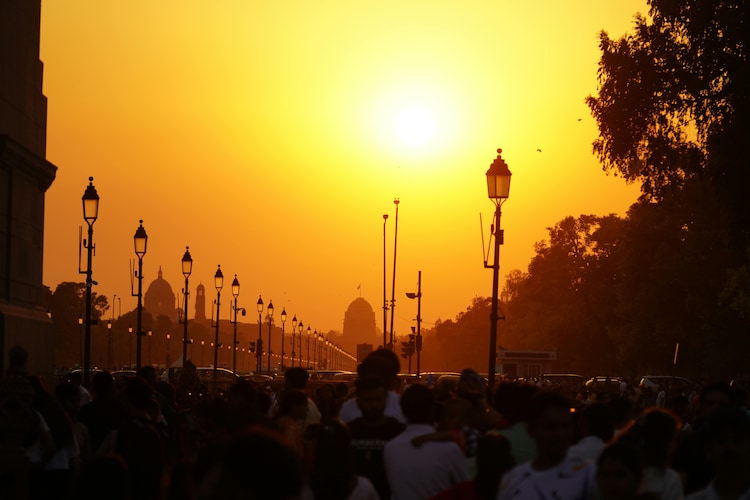
HOW BAD IS DELHI'S HEAT PROBLEM?
To understand the problem, a team of researchers looked at land surface temperatures above 45°C during the peak summer months of April to June. In Delhi-NCR, these scorching surfaces often turn neighbourhoods into ovens, making everyday life tough, especially for those who spend long hours outdoors, like informal and gig workers.
This particular problem is not something new to Delhi or the neighbouring regions, but it is definitely getting worse.
Delhi has long struggled with the urban heat island effect, which is a simple idea where concrete buildings, roads, and rooftops soak up the Sun's heat during the day and release it slowly at night.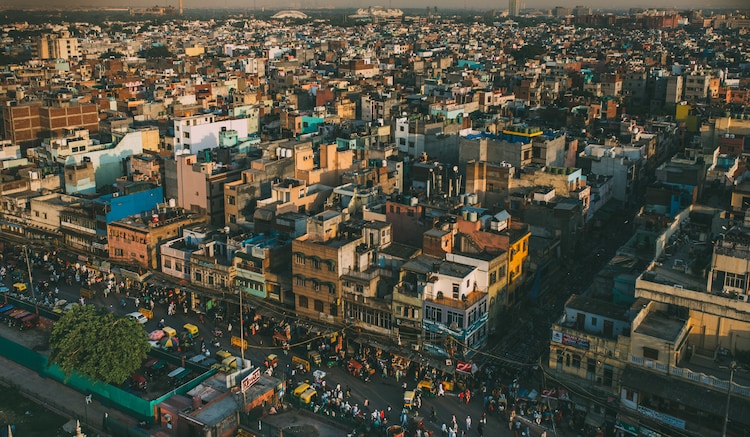
This gradual release of heat keeps the city warmer than surrounding areas, sometimes by several degrees, even after the Sun sets.
This problem has been a highlight of the blistering summer heat of 2026, where nights across various regions, including Delhi, have constantly stayed warm.
It's no surprise that this emerging issue of warm nights corresponds with the shrinking number of green spaces and water bodies that once helped cool things down.
The city's green cover dropped from about 25% in 2014 to just 14% in 2024, while water bodies have also reduced, according to an analysis done by researchers.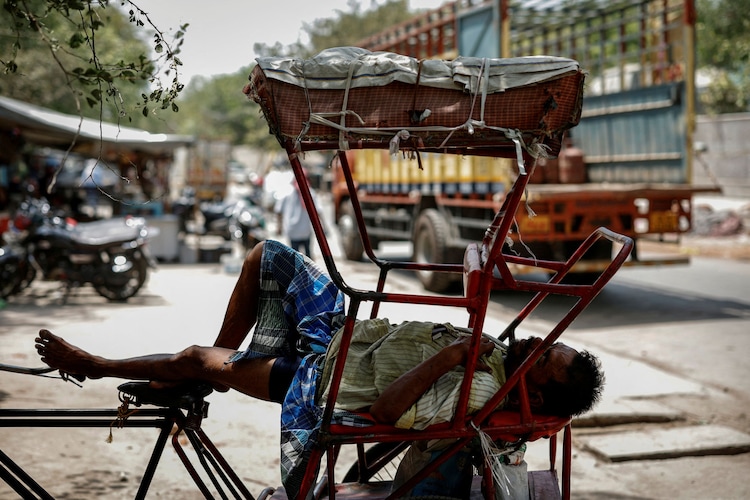
WHO DOES HEAT IMPACT MORE?
Heat is a problem. That's undebatable. But another aspect of extreme heat that often goes unnoticed is the disproportionate impact that it comes with.
In other words, extreme heat hits some parts of the city, and some people, much harder.
The CSE report highlights that schools, marketplaces, and construction sites are often located in the hottest zones. That's no coincidence.
Around 80% of mapped schools and 84% of marketplaces sit in areas with repeated high heat episodes. Meanwhile, 92% of construction projects have been in zones that hit extreme temperatures at least once, with 77% facing it repeatedly.
For millions of Delhi residents, this is beyond numbers.
Construction workers, street vendors, gig economy riders, and families in informal settlements make up a large part of the city's population, often living and working in tin-roofed homes or open areas with little shade or cooling.
To many of them, air conditioners are a luxury that often remains unaffordable.
So when the nighttime temperatures rise, and relief remains absent even after sunset, houses remain warm and a large chunk of the population spends their nights tossing and tussling in bed, without being able to cool down, and eventually wake up exhausted.
This is also the reason why heat can cut productivity sharply, leading to lost wages and health risks.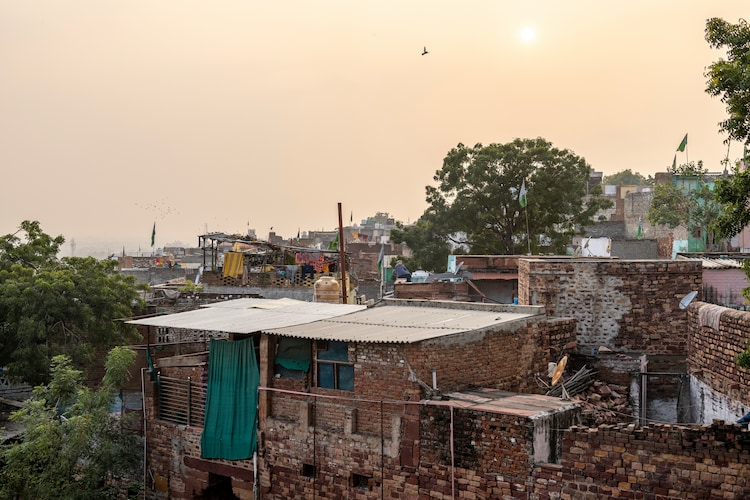
URGENT NEED FOR ACTION
In recent years, Delhi has seen record temperatures, with "feels-like" conditions sometimes crossing 50°C due to humidity.
Every summer, heat episodes lead to clear attribution to unplanned growth, heavy traffic, and loss of trees, all of which trap heat in pockets across the city. And with the heat eventually dying out, so does the call and prospect for timely action.
Experts at CSE stressed that current heat action plans, while helpful for emergencies, fall short of long-term protection for the most vulnerable. They called for practical steps, like more shaded public spaces, better-designed buildings that stay cooler naturally, cool roofs for homes and schools, and targeted support like work breaks during peak heat for outdoor workers.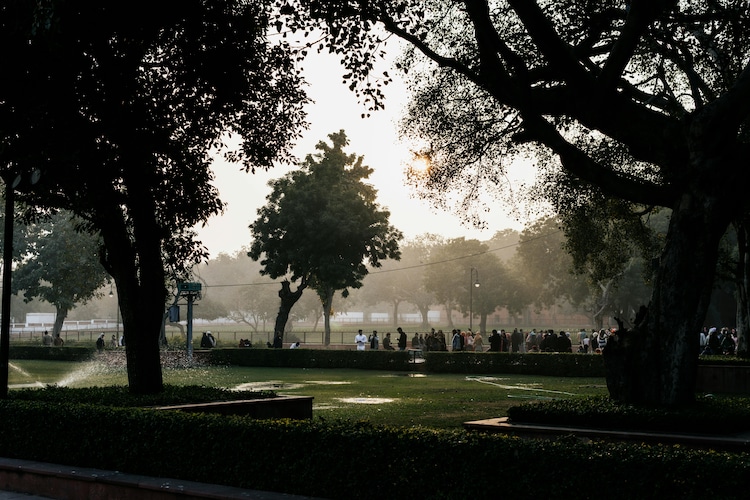
They also noted that protecting and improving green cover and water bodies is also key, as greener neighbourhoods stay noticeably cooler.
Delhi's heat story is a warning for many Indian cities facing similar pressures from climate change and rapid urban growth.
As summers grow longer and hotter, turning awareness into action, planting trees, rethinking urban planning, and supporting those on the frontlines, could determine how liveable the capital will remain in the years ahead.