
Heatwave scores in French Open: Extreme temperatures test tennis, human limits
The central question at Roland Garros in 2026 is no longer just who can play the best tennis but about who can best endure the heat while doing so.
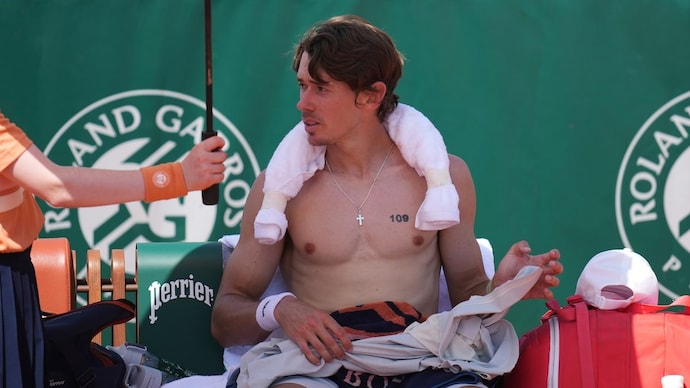

The French Open, officially known as Roland Garros, is one of the most popular tennis tournaments around the globe. But this year the famed tournament has a new challenge: extreme heat.
One of tennis's four Grand Slam tournaments, and the only one played on clay courts, the French Open is facing high temperatures that are affecting not only the participants but the support staff and the many fans in the stand.
Held annually in late May and early June in Paris, it is traditionally a tournament of patience and endurance, where long grinding rallies and slow, high-bouncing balls reward baseline specialists above all others.
This year, it is something else entirely.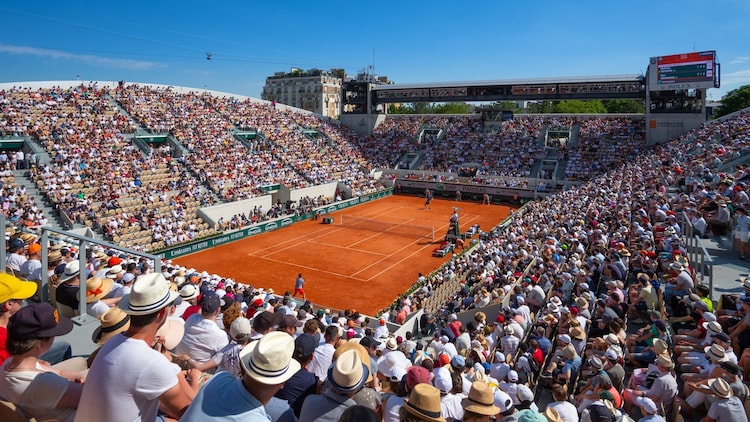
A CHANGED TOURNAMENT
Temperatures over the opening two days of the tournament have soared to 33C, which is far beyond the normal range for late May in the French capital.
The heat is forecast to hold for the entire first week and players have already admitted that they have not felt conditions like this at Roland Garros since the 2024 Paris Olympics. The timeline makes sense as that particular edition of the Olympics was held in the peak summer heat.
The effects of the soaring temperatures have been felt on the court and have been easy to notice.
Clay, when dry and hot, behaves very differently from its cooler, damper version. In hot conditions, the ball moves faster through the air and bounces higher off the surface, shifting the advantage away from patient defenders and toward aggressive, big-hitting players.
This is a significant shake-up, driven by extreme heat, at a tournament where clay specialists have historically dominated.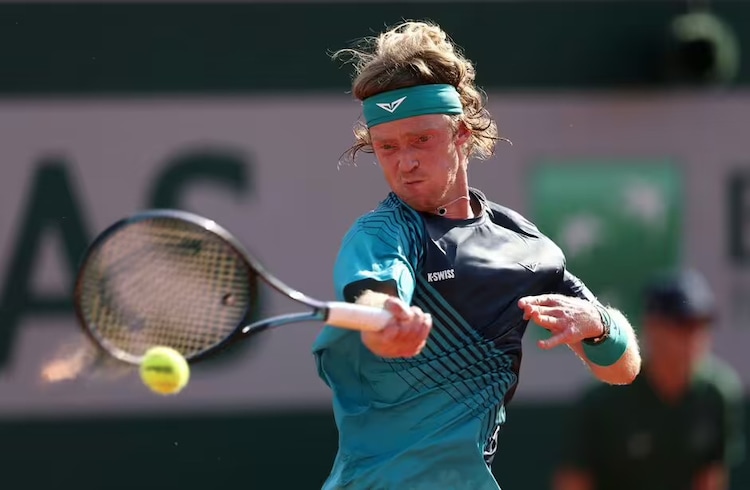
American player Alex Michelsen, who won his first-round match in straight sets, welcomed the change.
"When it's super hot, the ball is moving through the air very fast," he told the Associated Press (AP). "I was so happy when I saw the forecast."
Four-time champion Iga Swiatek, who cruised through her opening round, was more measured about how she feels about the conditions. The heat, she said, made this feel like a fundamentally different event from any previous edition she had played.
WHEN THE BODY FEELS THE HEAT
Beyond tactics, the heat is raising genuine physical concerns for the athletes playing a physically demanding sport.
Canadian player Gabriel Diallo retired midway through his first-round match, citing the conditions as the primary reason.
In another match, both Andrey Rublev and his opponent Ignacio Buse called for medical attention during the second set of a three-hour, 39-minute contest. Buse required a stethoscope placed on his chest and had salts and minerals added to his water bottle during a medical timeout. Apart from the players, a ball girl also had to be helped off the court.
"You can suddenly get out of the bench and feel that your focus dropped," said Australian player Daria Kasatkina. "So this is a battle which you have to also win. Whoever adapts better to today's conditions gets it."
In the stands, fans have been feeling what the players have on the court.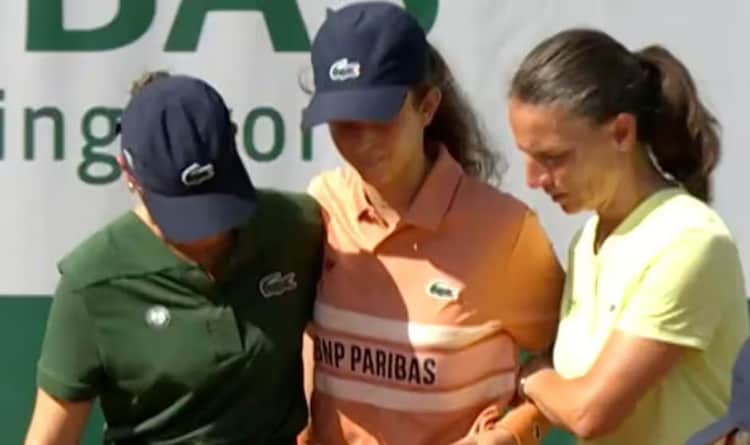
Court workers watering the clay between sets have been turning their hoses on spectators who beg to be sprayed, while visitors have been lining up at water stations and cooling areas set up around the venue.
The French Open is usually considered the coolest of the four Grand Slams, which is a fact that begs to be acknowledged, considering it's played in much better conditions than the notorious heat of the Australian Open in January.
Keeping that in mind, it becomes almost undeniable that what is unfolding this fortnight is, by any measure, out of the ordinary.
With the first week still underway and the temperature showing no sign of easing down, the central question at Roland Garros in 2026 is no longer just who can play the best tennis but about who can best endure the heat while doing so.