
Gecko found in Assam, dragonfly in Arunachal: Northeast buzzing with discoveries
A rare dragonfly returns after 110 years and a hidden gecko appears in Assam, offering hope for conservation in India.

In the lush landscapes of India's Northeast, long-term and consistent conservation work is paying off in unexpected ways.
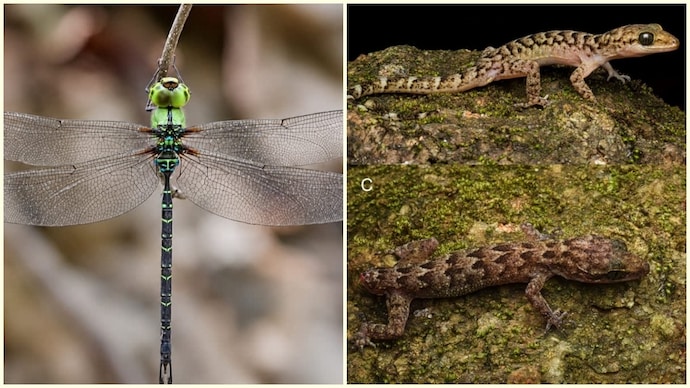
Just this week, Assam's Chief Minister Himanta Biswa Sarma shared news of a small lizard-like creature spotted in Goalpara district. Meanwhile, researchers in the neighbouring state of Arunachal Pradesh found a rare dragonfly that hadn't been seen in the state for over a century.
These are not just random discoveries one stumbles upon, or discoveries that only stir up emotions in researchers and scientists.
The emergence of new and century-old species is a sign that something is working, and that nature is capable of recovering and reaping benefits of the steady protection of forests and wetlands.
NEW SPECIES IN ASSAM'S WETLANDS
The bent-toed gecko, known scientifically as Cyrtodactylus bapme, turned up in the hills around Urpad Beel, which is a wetland area.
Originally described a few years ago from nearby Meghalaya, this marks the first confirmed record of the gecko in Assam. And it has been a long time coming.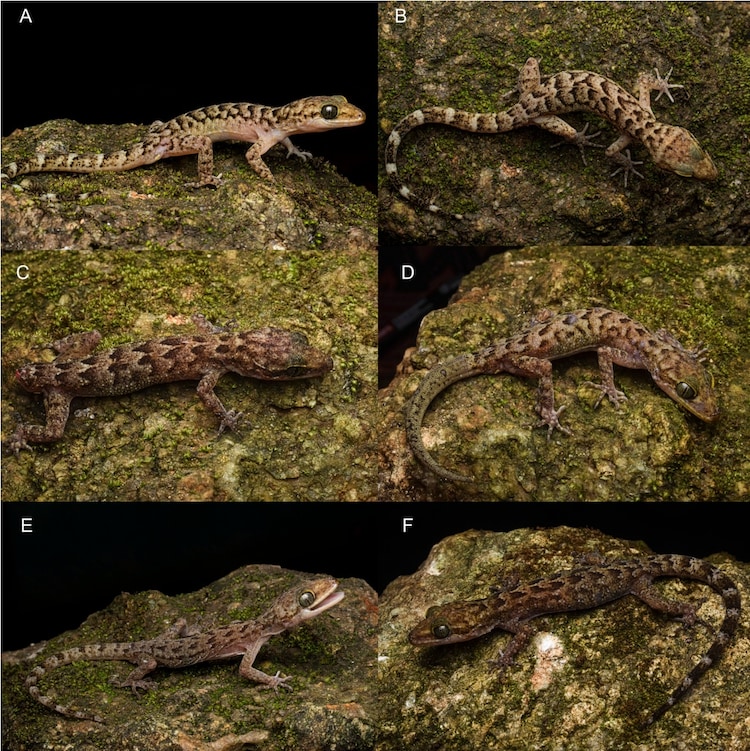
Locals and officials have worked hard to safeguard these mixed habitats of water and forest edges, where many creatures make their homes.
Geckos like this one are masters of camouflage, blending into rocks and leaves by day and becoming active at night. Furthermore, their presence signals that the ecosystem remains healthy enough to support specialised animals that depend on clean, safe, and undisturbed spots.
RETURN OF THE DRAGONFLY
Not far away, in Arunachal Pradesh's Namdapha National Park and Tiger Reserve, a team of researchers spotted the Long-tailed Duskhawker dragonfly during a routine survey last October.
This insect, with its impressive flight and keen eyesight, was last documented in the state back in 1914. Its return after 110 years feels almost like a reunion with a long-lost neighbour.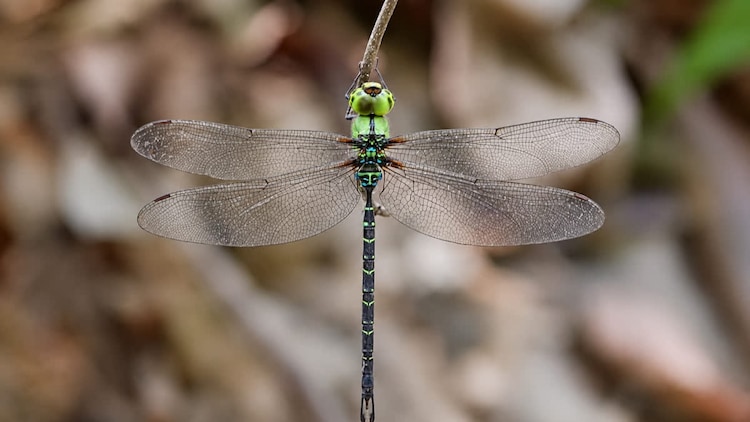
Researchers photographed it along a remote road inside the park and shared the news in a scientific journal.
Dragonflies need clean water and healthy forests to survive. And they need to survive as they act as natural pest controllers and serve as important signs of environmental quality.
Seeing a dragonfly not seen in a region for over a century reminds us how protected areas like Namdapha keep entire webs of life alive.
INDIA'S NATURAL HABITATS NEED PROTECTION
Both the discoveries came from dedicated field surveys in regions known for the incredible variety. Northeast India sits in one of the world's biodiversity hotspots, home to everything from mighty elephants and clouded leopards to countless smaller creatures that often go unnoticed.
Similar efforts elsewhere in India have helped species like the Great Indian Bustard or certain turtles in the Western Ghats by focusing on habitat protection and regular monitoring.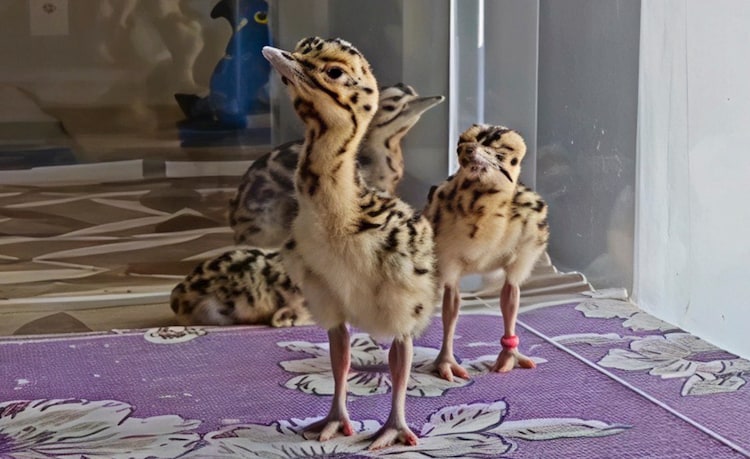
These small wins matter because many plants and animals still lack proper study. When we guard wetlands, rainforests, and hills, we give hidden species a chance to thrive, and sometimes reveal themselves after decades.
Everyday actions, like reducing pollution in rivers or preventing unchecked development, support the same balance that brought back this dragonfly and welcomed the gecko to Assam's records.
As more such stories emerge from the Northeast, they bring hope that, with continued care, nature will keep surprising us with its resilience.