
Samsung Galaxy A57 and A37 quick review: Climbing up the charts
The A57 and A37, especially when you compare them to their predecessors, have more quality-of-life improvements. There is more of everything in almost everything that you can think of.
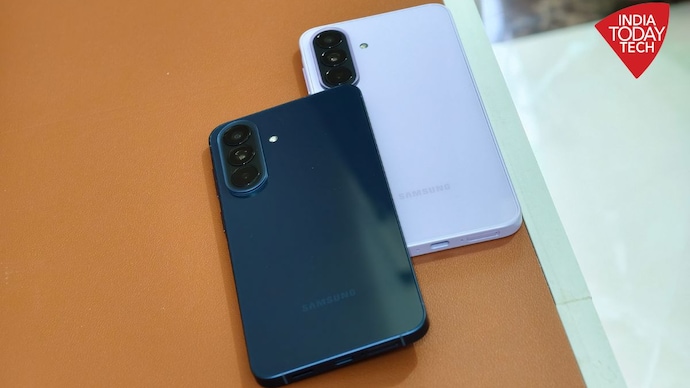

It is said that time is a great equaliser. There are good times and then there are bad times. Sometimes, time is also weird. Samsung is launching the Galaxy A57 and Galaxy A37 at a weird time. No, there is nothing wrong with these phones, but one wonders what could have been, had Samsung launched them at a different time. A time when the world was not at war and AI was not gobbling up RAM and storage faster than we could make them.
A year ago, we would be celebrating the A57 and A37: shout out to Samsung for finally making one of the most complete A-series ever where it is difficult to find fault. Truly, these phones – particularly the Galaxy A57 – live up to the promise of delivering a flagship-level experience at more affordable prices. You can think of the A57 as a Galaxy S26 doppelgänger that is cheaper and therefore accessible to many more people. The word blockbuster comes to mind.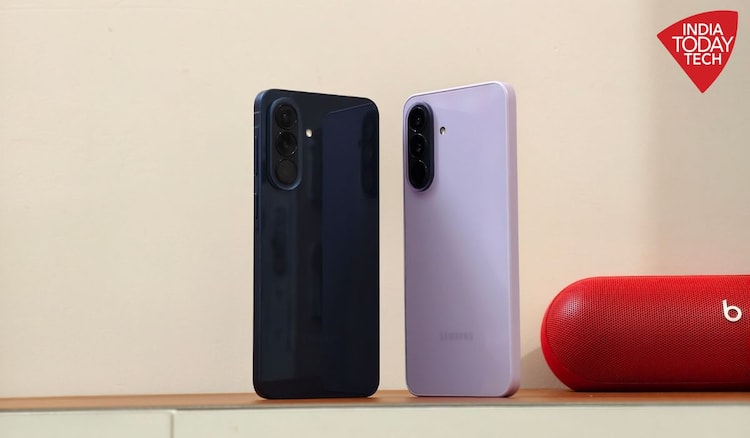
Let’s start with the Galaxy A57. It has a glass and metal chassis which feels suspiciously like the Galaxy S26, Galaxy S26 Plus if we were to go into the exact specifications. The A57, like the S26 Plus, is also a 6.7-inch phone. It, too, feels very, very premium and solid, like it could cost more. It is surprisingly compact. Samsung also kept the colour choices in line with the S26 – presumably this is intentional – with the one exception that the backplate on the A57 is glossy, not matte. The mirror-like finish, while it has a certain catchy appeal, is unsurprisingly prone to smudges. The A57 uses a less durable version of Corning Gorilla Glass – Victus Plus versus Victus 2 – than the S26. The IP rating is the same across the board. It is IP68.
The A57 has a Super AMOLED panel with a 1080p resolution. It can refresh at up to 120 times a second, but it is not LTPO like the S26, so it cannot power down to 1Hz on its own to save battery life. Speaking of which, the A57 has a 5,000mAh battery, slightly more than the S26 Plus. Wireless charging is a no-go but 45W charging is supported using a compatible charger sold separately. Powering the phone is Samsung’s own Exynos 1680 paired with up to 12GB of RAM and 256GB storage. The camera setup is versatile with a mix of 50-megapixel wide, 12-megapixel ultrawide and another 5-megapixel macro. The front camera is a 12-megapixel.
The Galaxy A37 swaps the A57’s metal frame for plastic, Exynos 1680 with Exynos 1480, and 12-megapixel ultrawide with a watered-down 8-megapixel. Everything else is the same, or it appears to be the same on paper (more on this in our full review).
The Galaxy A57 and Galaxy A37 run the same One UI 8.5 software. It is based on Android 16 and unless you go out on a nitpicking spree, the experience is largely the same as what you’ll find on the S26 devices. The feature set – including AI – is elaborate and useful, and for the most part, fluid and polished.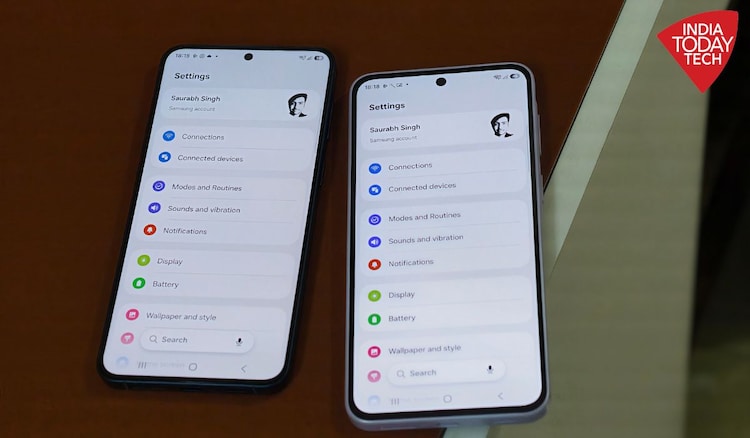
Call screening and automatic responses for when you can’t/want to pick an unidentified call are fast becoming commonplace items on phones. Samsung has a version as well, and it works well on these new phones. The Galaxy AI blitzkrieg sees Samsung giving you three assistants in one phone: Gemini, Perplexity and Bixby (yes, it is back!). All flagship material so far. The mirage is only broken by a couple of odd idiosyncrasies: lock screen ads and 6-year OS/security updates. It is not a deal-breaker given that the A56 and A36 came with the same quirks.
The A57 and A37, especially when you compare them to their predecessors, have more quality-of-life improvements. There is more of everything in almost everything that you can think of. But whether those upgrades are worth loosening the purse strings will depend entirely on if you are willing to accept that these are weird times. The prices of the Galaxy A57 and Galaxy A37 have climbed up the charts for reasons Samsung has little control over.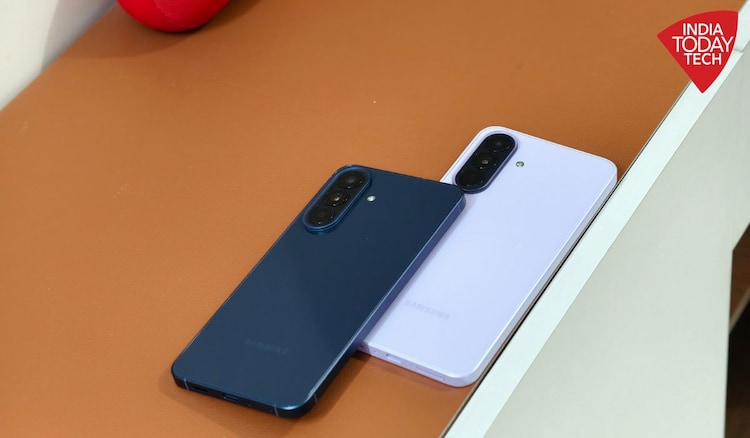
The A57 starts at Rs 56,999 for 8GB/256GB and goes up to Rs 62,499 for 12GB/256GB. The A37 8GB/128GB is priced at Rs 41,999 8GB/256GB at Rs 47,499, and 12GB/256GB at Rs 52,999. A year ago, this would have been flagship pricing. Today, it is the price you’ll pay for the midrange. Once again, the A57 and A37 are fine, at least as far as first impressions go, but should you stretch your budget now or wait for things to cool down, is your call. Just know that smartphone prices are going up for every brand, not just Samsung.