Topic

Advertisement
TOPIC

Ali Khamenei

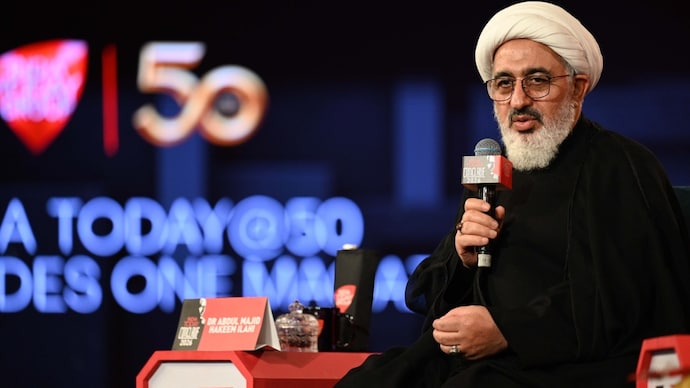
Ayatollah Ali (Seyyed) Khamenei (19 April 1939 – 28 February 2026) was a Shia cleric and Iranian politician who served as the Islamic Republic’s Supreme Leader from 1989 until his death. Born in Mashhad, he studied in Iran’s seminaries and became active in opposition to the Shah, enduring repeated arrests. After the 1979 revolution he held key posts and, during the Iran–Iraq War, rose as a prominent figure allied with the Islamic Revolutionary Guard Corps. He became Iran’s president in 1981, surviving an earlier assassination attempt that left his right arm impaired.

Following Ayatollah Ruhollah Khomeini’s death, the Assembly of Experts selected Khamenei as Supreme Leader in 1989. Over nearly four decades he consolidated the leader’s authority over elected institutions, tightened social controls, and oversaw harsh crackdowns on protests. In foreign policy he defined Iran’s posture toward the United States and Israel, backed regional partners and militias, and presided over the long-running dispute over Iran’s nuclear program, endorsing the 2015 nuclear deal but remaining deeply skeptical of the West. His rule shaped Iran’s politics and regional reach.

Khamenei was killed on 28 February 2026 amid US–Israeli strikes on Iran.
...Read More
  • ALL
  • STORIES
  • VIDEOS

STORIES

Why US-Iran talks in Pakistan are built to fail

As US and Iranian officials prepare to meet in Pakistan on April 11, the talks come amid intensifying Israeli strikes in Lebanon, which Tehran sees as a direct violation of a key ceasefire condition. With Israel, the central actor driving the Lebanon front, absent from the negotiating table, a critical question hangs over the process: can these talks deliver any meaningful outcome?

Load More

VIDEOS

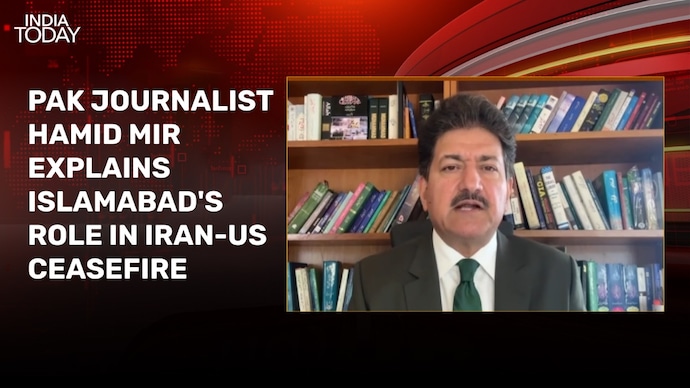
Pakistan played the role of facilitator in Iran-US ceasefire: Hamid Mir

In an exclusive with India Today's Consulting Editor Rajdeep Sardesai, senior journalist Hamid Mir discussed Pakistan's diplomatic role in the recent ceasefire between the United States and Iran and much more. He said Pakistan acted as a 'facilitator' rather than a mediator, given its lack of diplomatic ties with Israel.

Iranians are mocking Trump's 'insane' threats: Zohreh Kharazmi

In an exclusive interview with India Today, Zohreh Kharazmi, Associate Professor at the University of Tehran, dismissed the recent ultimatums issued by Trump regarding the Strait of Hormuz, stating that Iranians are mocking his 'insane words' and 'bombastic' social media threats.

Explainer: Dubai dream shaken as Iran war escalates

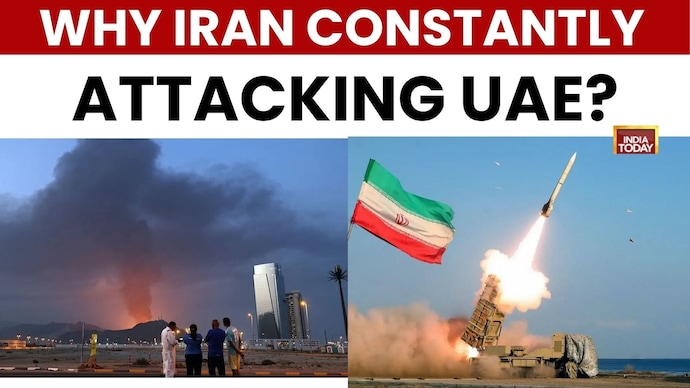
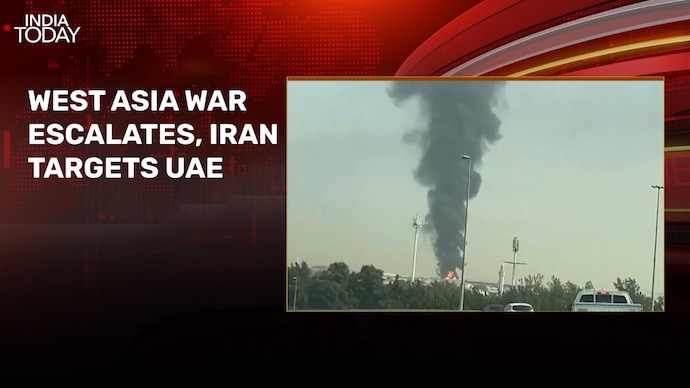
India Today Explains examines the escalating West Asia conflict, focusing on Iran's relentless attacks on the United Arab Emirates. According to the UAE's defence ministry, more than 1,700 missiles and drones have been launched towards the country, with over 90 per cent intercepted by air defences, fighter jets, and helicopters. Dubai, long marketed as a conflict-proof safe haven, has been significantly impacted, with alerts warning residents to seek shelter. Iran justifies the strikes citing the UAE's strategic alignment with Washington and its partnership with Israel following the 2020 Abraham Accords. The programme details the UAE's multi-layered air defence system, including the THAAD system, Patriot PAC-3, and Pantsir-S1. It also explores potential Gulf nation retaliation strategies and Iran's decentralised 'Mosaic strategy' that allows operations to continue despite leadership eliminations. The conflict threatens Dubai's tourism industry, which generates around 30 billion dollars annually, and risks destabilising the entire region.

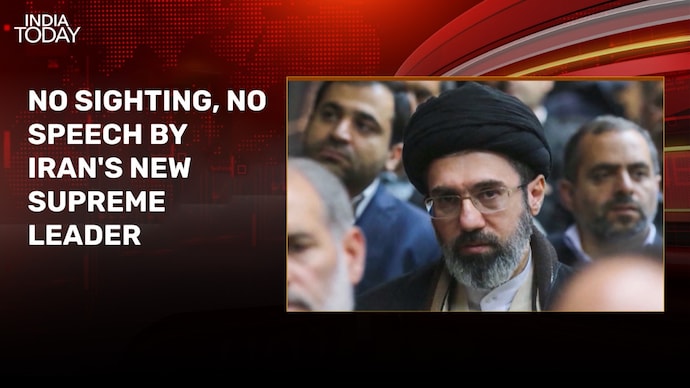
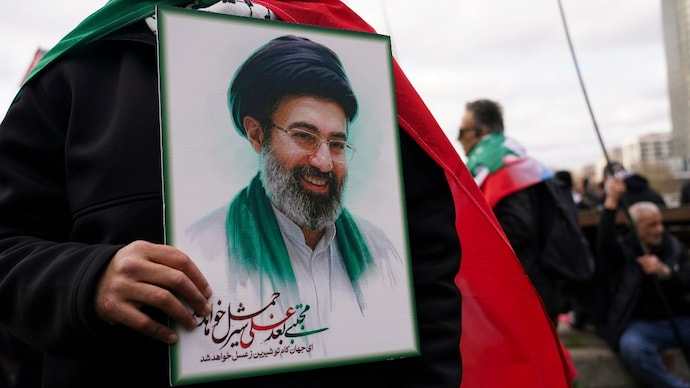
Netanyahu appears, what about Mojtaba Khamenei?

Israeli Prime Minister Benjamin Netanyahu held a midnight press conference addressing speculation about his death, declaring 'I am alive'. While, Iran's new Supreme Leader, Mojtaba Khamenei, remains unseen nearly 20 days after his father Ayatollah Ali Khamenei was killed in an Israeli strike on February 28.

Watch: Iran releases undated video of Mojtaba Khamenei giving religious lessons

The Islamic Republic of Iran Broadcasting (IRIB), Iran's state media, has released what appears to be an undated video of the Supreme Leader Mojtaba Khamenei. In the video, the supreme leader can be seen teaching religious science to a bunch of pupils who are listening attentively. The IRIB said that the video of the newly-appointed Supreme Leader was published for the first time. Mojtaba took over as the Supreme Leader after his father Ayatollah Ali Khamenei, who was 86, was killed in an Israeli-American strike on February 28.

Israel says Iran security chief Ali Larijani Killed; Pak strikes Kabul, killing 408

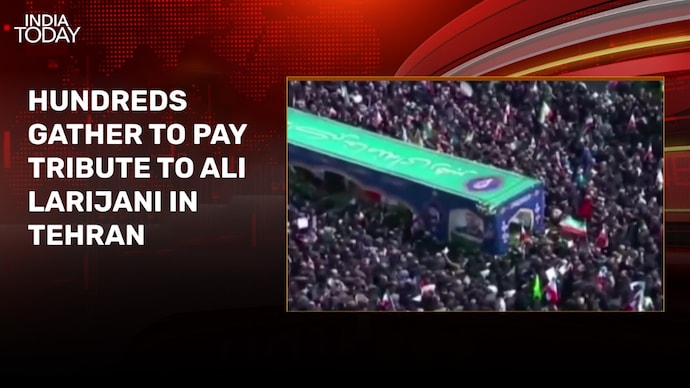
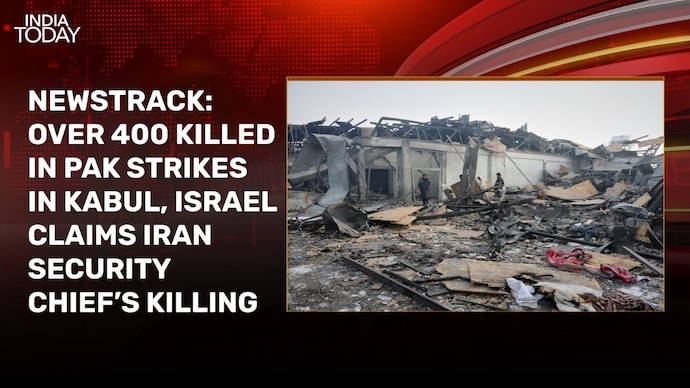
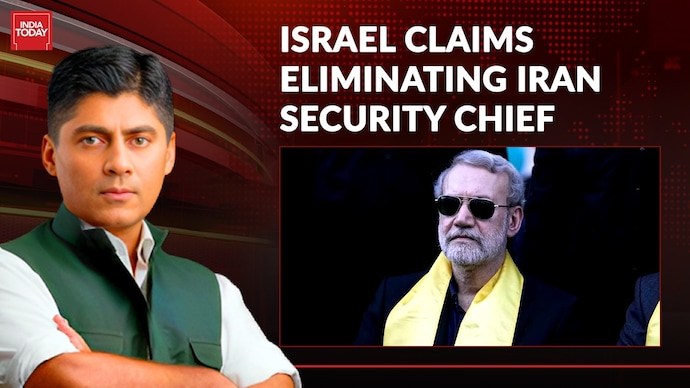
Israel claims to have killed Ali Larijani, Iran's National Security Council Secretary and a key figure in Tehran's inner circle, described as the country's number two leader. The strike also reportedly eliminated the commander of Iran's Basij force, responsible for suppressing protests. Iran has countered the claim by releasing a handwritten note attributed to Larijani, though it does not directly address the Israeli allegations. The airstrikes mark a significant escalation in the West Asia conflict, with Israel targeting Iran's core power structure. Meanwhile, Prime Minister Modi spoke with UAE President Sheikh Mohammed bin Zayed Al Nahyan, condemning attacks on the UAE and emphasising the importance of safe navigation through the Strait of Hormuz. In a separate development, a Pakistani airstrike on a drug rehabilitation hospital in Kabul killed 408 people, including patients and healthcare workers, sparking international outrage and fresh tensions between Pakistan and Afghanistan's Taliban government.

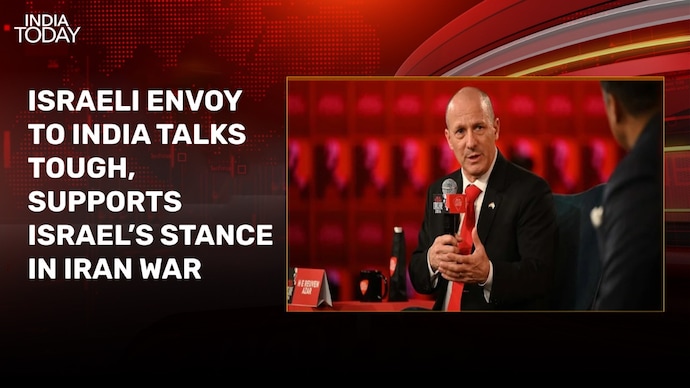
Won't stop until Iran's policy or regime changes: Israeli envoy on Gulf war

Reuven Azar, Israel’s Ambassador to India, said in an exclusive conversation with India Today TV that Israel’s military campaign against Iran will continue until there is a change in the country, either in policy or in regime. Defending Israel’s strikes, Azar said the operations have significantly weakened Iran’s ability to threaten Israel and the wider region, claiming its capabilities have been degraded by nearly 80 percent.