Topic

Advertisement
TOPIC

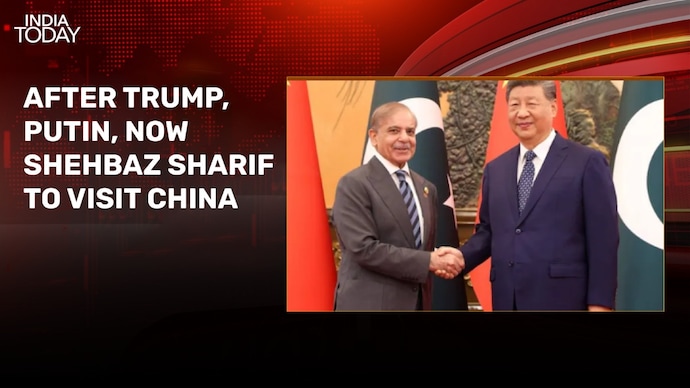
Shehbaz Sharif

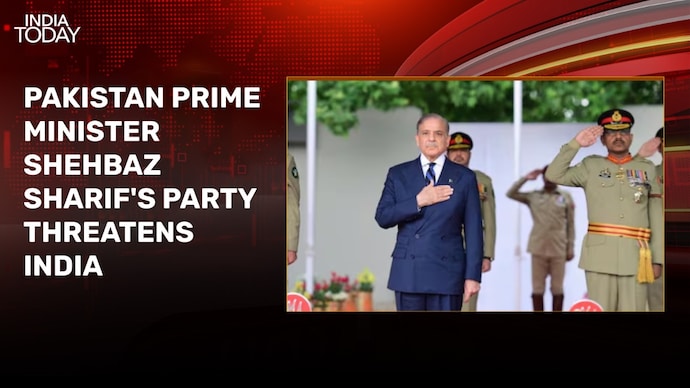
Shehbaz Sharif is Pakistan's second-term prime minister, who took office on 3 March 2024 after being elected by the newly elected parliament following a tightly fought national election that resulted in a coalition government.

His return to the premiership was amidst an extended economic crisis which started in 2022, characterised by high inflation, poor growth and external financing needs.

Right from the beginning, his government sought IMF assistance and fiscal consolidation, indicating privatisation of unprofitable state enterprises (including measures regarding PIA), tariff and tax reforms, and taxing expansion.

In mid-2024 to 2025, Pakistan arranged a bigger-size IMF programme (a 37-month Extended Fund Facility) of some $7 billion, after a shorter crisis-prevention arrangement in the previous year.

The government marketed the new programme as a bridge towards structural reforms while cautioning citizens on difficult measures, such as increased energy tariffs and higher taxation, to stabilise public finances.

Financial media and multilateral reports positioned the agreement as Pakistan's newest effort to prevent a balance-of-payments crisis, subject to politically challenging reforms.

Locally, Sharif established himself as a micro-manager of macro-stability and investment recovery, chairing specialist sessions on reforming and assuring targeted youth-jobs and entrepreneurship packages.

His party's coalition maths and civilian-military dynamics still determine manoeuvering space on law-and-order and foreign affairs. On the economic front, as of mid-2025, the situation exhibits signs of improvement in inflation and reserves with ongoing risks related to growth, energy prices and revenue mobilisation—areas addressed by the IMF program with specificity.

 

...Read More
  • ALL
  • STORIES
  • VIDEOS

STORIES

Deceived and used: US journalist as Pak event turns into govt-bashing show

An informal media gathering in Pakistan involving foreign reporters, who were stationed for the US-Iran talks, turned into a full-blown controversy. What was supposed to be a meet-and-greet event turned into a political spectacle after two Pakistani journalists used the platform to criticise the government and the military.

Iran firm on Hormuz reopening, Lebanon ceasefire as delayed US talks begin in Pak

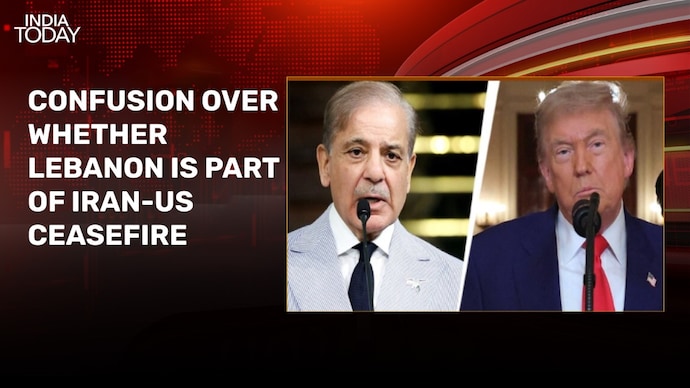
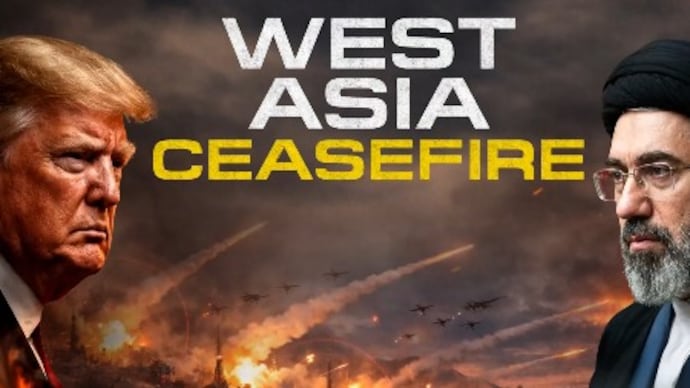
Iran has set key preconditions for direct talks with the US, including the release of frozen assets, safeguarding the Strait of Hormuz, reparations, and a regional ceasefire. Amid these demands, the White House has maintained a hardline stance, with Donald Trump refusing to concede, including on the issue of unfreezing overseas assets.

Load More

VIDEOS

Iran-US Islamabad talks delayed, delegations to meet Shehbaz Sharif separately

The Iran-America talks in Islamabad are facing a delay of a few hours. Initially scheduled to begin at 8 am Tehran time, the negotiations are now expected to commence in the afternoon, which translates to late evening Indian Standard Time. According to reports quoting Iranian media, specifically the Mehr News Agency, the structure of the talks will initially involve separate engagements. The transcript highlights that 'the Iranian and American delegations are expected to hold separate individual meetings' with Pakistani Prime Minister Shehbaz Sharif first. Once these initial diplomatic courtesies are concluded, the main round of indirect negotiations will begin. The American delegation, which includes Vance, and the Iranian representatives will not be sitting directly across the table from one another. Instead, the discussions will proceed as indirect negotiations following their respective meetings with the Pakistani Prime Minister. This development marks a significant update on the format and timing of the diplomatic engagements.

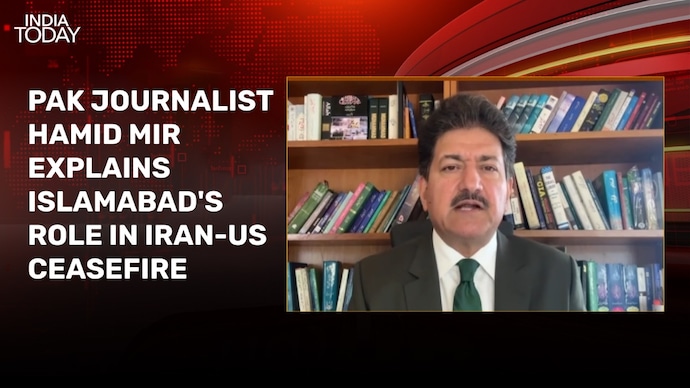
Pakistan played the role of facilitator in Iran-US ceasefire: Hamid Mir

In an exclusive with India Today's Consulting Editor Rajdeep Sardesai, senior journalist Hamid Mir discussed Pakistan's diplomatic role in the recent ceasefire between the United States and Iran and much more. He said Pakistan acted as a 'facilitator' rather than a mediator, given its lack of diplomatic ties with Israel.

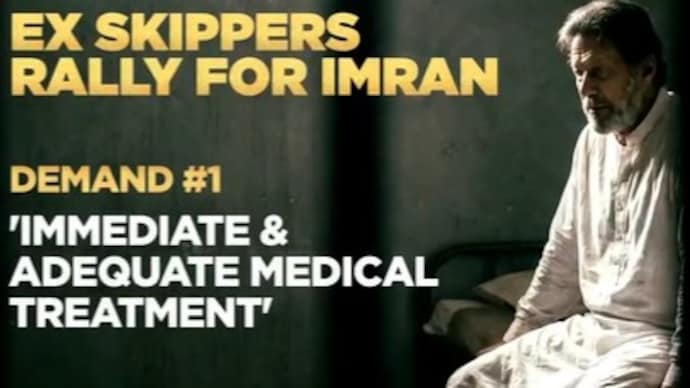
14 ex-skippers urge fair treatment for jailed Imran Khan

Former Indian cricket captain Sunil Gavaskar has joined 13 other international cricket legends in signing a petition addressed to Pakistan Prime Minister Shehbaz Sharif, seeking proper medical care and fair treatment for incarcerated former Prime Minister Imran Khan.

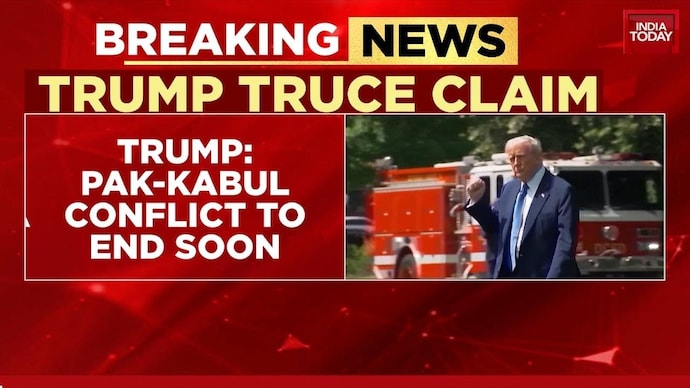
Trump's Peacemaker Push: Vows to End 'Pak-Afghan War' After Thai-Cambodia Truce

This special report focuses on former US President Donald Trump's continuing peacemaker rhetoric, with his latest claim that he will end the conflict between Pakistan and Afghanistan. According to Trump, the 'Pak-Kabul conflict to end soon. Munir and Sharif are great people. We'll get this done quickly.' This assertion follows his recent claims of successfully mediating a truce between Thailand and Cambodia and brokering a peace deal between Israel and Hamas. The bulletin examines these statements in the context of a recent escalation in the Pakistan-Taliban conflict, which has reportedly been active for about two weeks despite ongoing peace negotiations.

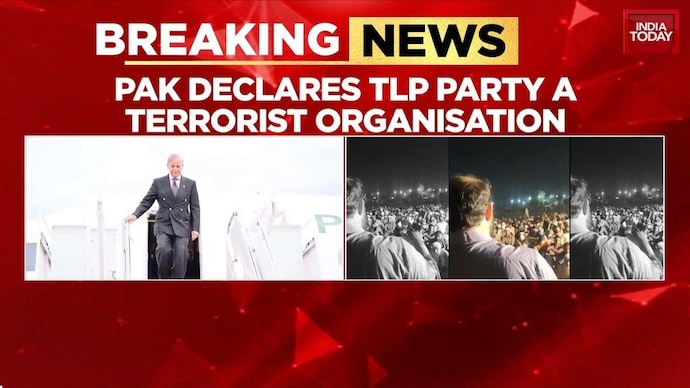
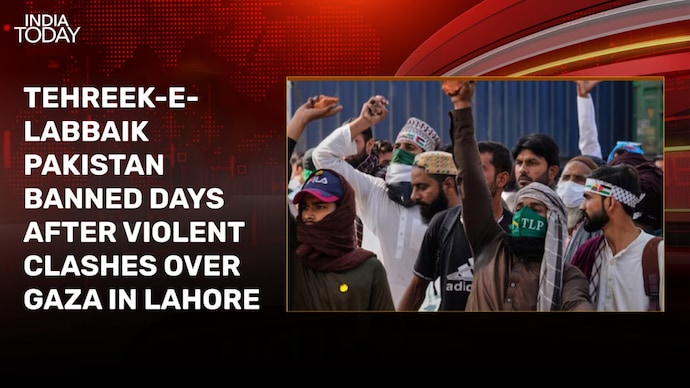
Pakistan Bans TLP: Is Terror Frankenstein Devouring Its Own Master?

This special report focuses on the Pakistan government's decision to ban the far-right Islamist party, Tehreek-e-Labaik Pakistan (TLP), under the country's anti-terrorism laws. The move, initiated by Prime Minister Shehbaz Sharif's cabinet, follows deadly clashes during a TLP-led 'Gaza Solidarity March' in Lahore. The anchor noted that Pakistan is now 'facing the consequences of their own actions.' The ban comes after the Punjab provincial government recommended proscribing the group for its involvement in violent activities. This is the second time the TLP has been outlawed; a previous ban in 2021 was lifted after the party gave assurances it would refrain from violence. The report delves into the implications of this ban on Pakistan's internal security, which is already challenged by other militant groups and unrest on its borders.

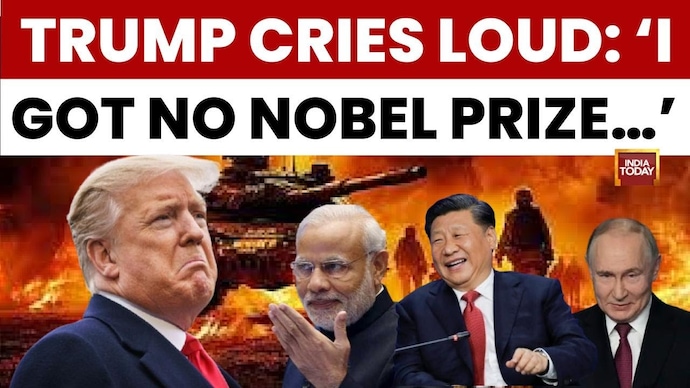
Donald Trump's Bombshell Claim: 'I Saved Millions of Lives' by Stopping India-Pak War

This special report focuses on Donald Trump's repeated claims of having prevented a war between India and Pakistan in May 2025, for which he suggests he deserves a Nobel Peace Prize. The Prime Minister of Pakistan said, 'I saved millions of lives in interceding on Pakistan.' In the broadcast, Trump lists this among eight global conflicts he purports to have solved. However, India has consistently refuted these claims, stating that the ceasefire was a bilateral agreement achieved through direct talks between the Director Generals of Military Operations (DGMOs) of both countries, following a request from Pakistan. The report features analysis from Pranay Upadhyay, Editor of India Today Global, who provides context on Trump's assertions and India's official stance against any third-party mediation in the matter.

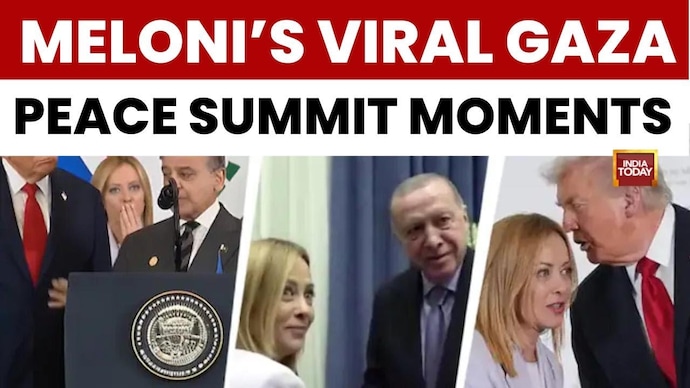
Meloni's Viral GAZA Peace Summit Moments: From Trump's 'Beautiful' Quip To Erdoğan's Smoking Advice

This special report focuses on Italian Prime Minister Giorgia Meloni, who became the unexpected star of the Gaza Peace Summit in Sharm El Sheikh, Egypt. The report covers her viral interactions with world leaders, including Turkish President Recep Tayyip Erdoğan's advice for her to quit smoking and her amused reaction to Pakistan Prime Minister Shehbaz Sharif's praise for US President Donald Trump. A key moment discussed is when Trump complimented Meloni, saying, 'I'm not allowed to say it because usually it's the end of your political career if you say it: she's a beautiful young woman'. The summit, co-chaired by President Trump and Egyptian President Abdel Fattah el-Sissi, was held to discuss the future of the Middle East and support a ceasefire. The bulletin also notes that Indian Prime Minister Narendra Modi wrote the preface for the Indian edition of Meloni's autobiography, "I Am Georgia, My Roots, My Principles".

Trump's 'Cringeworthy' Fan: Pak PM's Nobel Pitch Stuns World Leaders

This India Today Special Report focuses on the recent Gaza peace summit in Sharm el-Sheikh, where world leaders gathered with US President Donald Trump. A key highlight was Pakistan Prime Minister Shehbaz Sharif’s effusive praise for Trump, which drew stunned reactions. Ambassador Kamal Sibal commented, 'Well, actually, it was cringeworthy. He went just, just too far in his obsequiousness and desire to flatter Trump.' The summit was marked by a series of awkward encounters, including Trump's comments towards Italian PM Giorgia Meloni and a tense handshake with French President Emmanuel Macron. In a calculated diplomatic move, Prime Minister Narendra Modi chose to skip the spectacle, a decision viewed by analysts as wise to avoid potential embarrassment and maintain India's dignity on the world stage. India was instead represented by Minister of State Kirti Vardhan Singh.

Pak PM's 'Cringeworthy' Flattery For Trump; Modi's Wise Snub To Summit

This special report focuses on the diplomatic stir caused by Pakistan Prime Minister Shehbaz Sharif's effusive praise of Donald Trump at the Sharm El Sheikh peace summit and Indian Prime Minister Narendra Modi's strategic decision to abstain from the event. Analyst Raymond Vickrey Jr. stated, ‘I think that you have to recognize, as our former governor in Virginia once said, who's a neurologist, that our president is a narcissistic maniac.’ The discussion, with insights from former Foreign Secretary Kamal Sibal and CSIS's Raymond Vickrey Jr., deconstructs Sharif's 'cringeworthy' flattery, including a renewed call for a Nobel Prize for Trump, and Trump's subsequent indirect snub. It also analyses why PM Modi sending Minister of State Kirti Vardhan Singh was a 'wise' move, successfully avoiding a potentially embarrassing, Trump-orchestrated diplomatic engagement with Pakistan on the world stage.