
Founder introduces 'no-grind' days for employees, and here's why it's working
A founder shared how her remote team uses three Slack work modes to signal daily capacity. The system has drawn praise online for helping teams adjust expectations and reduce burnout.
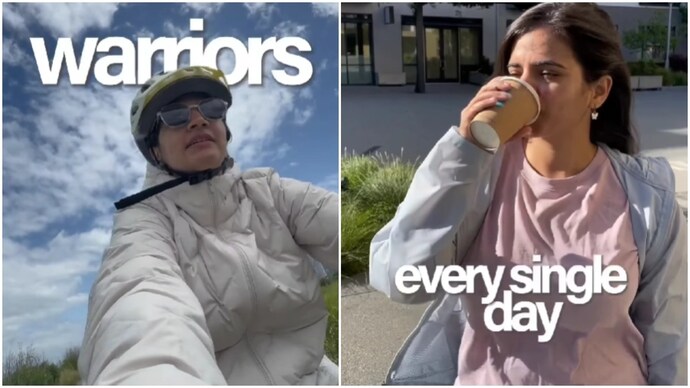

An entrepreneur shared how her remote team used a simple three-mode system to manage workload and avoid burnout, an idea several users online are now calling both practical and refreshing.
Anuva Kakkar shared the concept in a video, explaining how her team, which primarily communicated on Slack, moved away from the constant “hustle” mindset and adopted a more flexible approach to productivity.
In the clip, she explained that her team realised they couldn’t operate at peak intensity every single day. Instead, they introduced three clearly defined work modes: “grind mode,” where employees give their “120 percent”; “normal mode,” which focusses on completing daily tasks at a steady pace; and “survivor mode,” meant for days when someone is not feeling their best, whether due to health issues like period cramps or simply having a difficult day.
Team members could update their Slack status to reflect which mode they were in, allowing colleagues to instantly understand their capacity for the day.
According to Kakkar, this transparency helped teams adjust expectations, tweak timelines if needed, and ultimately prevent burnout caused by constant high-pressure work.
The idea, she noted, was inspired by a friend and had become a core part of how her team operated, especially in a remote setup where communication gaps can easily lead to misunderstandings about availability and productivity.
Watch the video here:
Online, the concept has resonated with several professionals navigating demanding work cultures.
Some users said they had either tried similar systems or were now considering implementing it within their own teams, noting that it normalised off-days without guilt.
Others described it as a “fantastic idea” that acknowledged the human side of work, rather than expecting employees to perform at peak levels every day.
While some reactions were brief, the overall sentiment leaned strongly positive, with users praising the approach as a small, but meaningful shift toward healthier workplace practices, especially in an era where burnout became increasingly common.