


- Tamilakam’s Travels: Part 1
- Cosmos, Continent, Country: Part 2
- Tamilakam drew its own map: Part 4
- Name Games: Part 5
- Empires, Elites & Europeans: Part 6
- Dravida to Dravidian: Part 7
- The Caldwell Conundrum: Part 8
- Pundit's Paradoxical Passion: Part 9
- Gods, Kings & Grammar: Part 10
- Tolkappiyar: Part 11
- Valluvar: Part 12
- T’rupparam-Kundram: Part 13
- Epic Clash of Faiths: Part 14
- Tamilakam's Epic Counter: Part 15
- Vaishnavism: Part 16
- Tamil and Sanskrit: Part 17
- Anti-Brahminism: Part 18
- Rise & Rifts Part 19
- Bearded Beginning Part 20
- Alliances & Animosities Part 21
- The Thundering Thandhai Part 22
- Shadows and Succession Part 23
- Anna Arch Part 24
- Agitation Alchemy Part 25
- Anna’s CM Crown Part 26
- The Tricolour Twilight: Part 27
- Karunanidhi’s Coronation: Part 28
- Era of Scams & Defiance: Part 29
- Maximum Guarantee Ramachandran: Part 30
- MGR's 'Thottam' Theatre: Part 31
- The Second Show: Part 32
- Accord, Acrimony, Assaults: Part 33
- DMK’s Tiger-Riding: Part 34
- Jayalalithaa’s Crown: Part 35
- The JJ Juggernaut: Part 36
- Karunanidhi Springs: Part 37
- Role Reversal: Part 38
- Mercury Rises in Poes: Part 39
- Amma’s Comeback: Part 40
- An Arresting Personality: Part 41
- Sandalwood Sunset: Part 42
- Back to Future: Part 43
- Thirumangalam: Part 44
- Sangam, Spectrum: Part 45
- The Lady’s Challenge: Part 46
- Jayalalithaa’s Arc: Part 47
- Kalaignar’s Tryst with Tomb: Part 48
- Dravidian Defiance: Part 49
- Tamil Nadu Through Time: Part 50
Tamil Nadu Through Time: From Memory To Mandate
In Tamil Nadu, a civilisation goes to polls, not merely a State.
Here, people do not vote just as a routine act of democracy; they exercise mandate as a matter of memory. Every election here is less a verdict on five years and more an engagement with five millennia. The ballot is not just a slip of paper; it is a palimpsest, layered with echoes of Sangam lyricism, Bhakti devotion, colonial disruption, linguistic assertion, rationalist revolt, federal fistfights, cinematic imagination and welfare politics. In most places, elections are contests. In Tamil Nadu, they are continuities.
To mistake this land of piety as a land of uniformity is to misread its very text. Devotion has never meant submission; faith has never meant silence. The same soil that raised towering temples also produced uncompromising atheists. The same culture that composed hymns to Murugan also wrote couplets that stripped life to its ethical core. This is not contradiction; it is coherence. Tamil Nadu’s travel through time has always been an argument with itself, and that is precisely its strength.
And therein lies the first misinterpretation from afar. Tamil Nadu is often approached as a puzzle, something to be decoded, simplified, and solved through electoral arithmetic or ideological import. But it is not a riddle. It is a grammar. A system with its own syntax, its own internal logic, its own rules of agreement and disagreement. One does not solve a grammar; one learns it, lives it, and speaks it with care. Attempts to impose an external idiom often fail not just because the message is weak, but also because the method is wrong.
As this chronicle draws to a close, the arc becomes clear. What began as memory — of land, language, literature and an unbroken lived culture — has evolved into mandate. But the transition is neither linear nor complete. It is a tide that advances, retreats, reshapes, and returns. To understand Tamil Nadu today is to understand how past became politics, and how politics now seeks legitimacy in the present.
Sacred Roots, Secular Routes
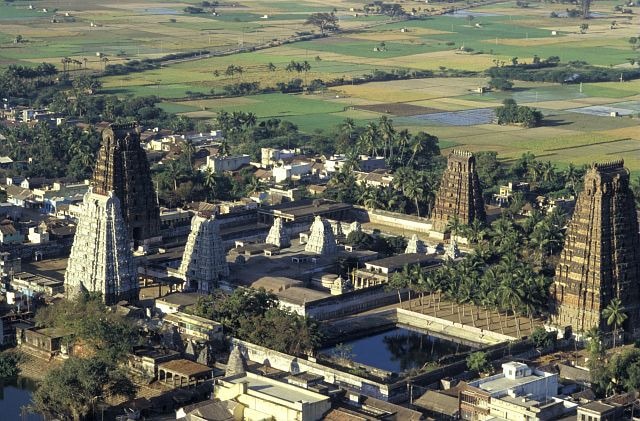
Long before ballots and booths, Tamil society organised itself through codes that were both aesthetic and ethical. The Sangam corpus did not merely describe landscapes; it structured emotion, conduct, and social order. The division between akam and puram was not just literary; it was civilisational. Inner life and public action were distinct yet deeply intertwined. Even at this early stage, Tamil thought exhibited a remarkable ability to classify without confining, to define without diminishing.
Religion entered not as imposition but as absorption. The Bhakti movement did not erase the earlier frameworks; it overlaid them. Temples became not only spaces of worship but exalted edifices of education, economy, entertainment and enlightenment. The sacred geography that emerged was expansive yet rooted. The land was not merely inhabited; it was sanctified, named, and narrated into meaning.
Yet, even at its most devotional, Tamil society retained a certain intellectual independence. The evocative outpourings on the gods did not extinguish questioning; it coexisted with it. The seeds of later scepticism were already present, embedded in a culture that valued expression over orthodoxy.
Search was built into the Sacred. This dual inheritance — of faith and inquiry — would later define the political trajectory. It ensured that even when belief was intense, it was rarely blind; and even when dissent was sharp, it was rarely rootless. Tamil Nadu did not swing between extremes; it learned to hold them together.
Language as Identity, Identity as Resistance
The colonial encounter did more than redraw administrative boundaries; it reordered hierarchies of knowledge. Language became a site of contest. Tamil was not merely a medium; it became a marker of dignity. The rediscovery and reinterpretation of Tamil texts in the colonial period were not academic exercises alone; they were acts of reclamation.
The idea of ‘Dravidian’ emerged not as a fixed identity but as a counter-narrative. It challenged existing power structures, northern constructs, caste stratification and cultural dominance. But ‘Dravidian’ also carried within it an ambiguity: was it a linguistic category, a racial theory, a missionary ploy or a political tool? The answer shifted with context, and that flexibility became its strength.
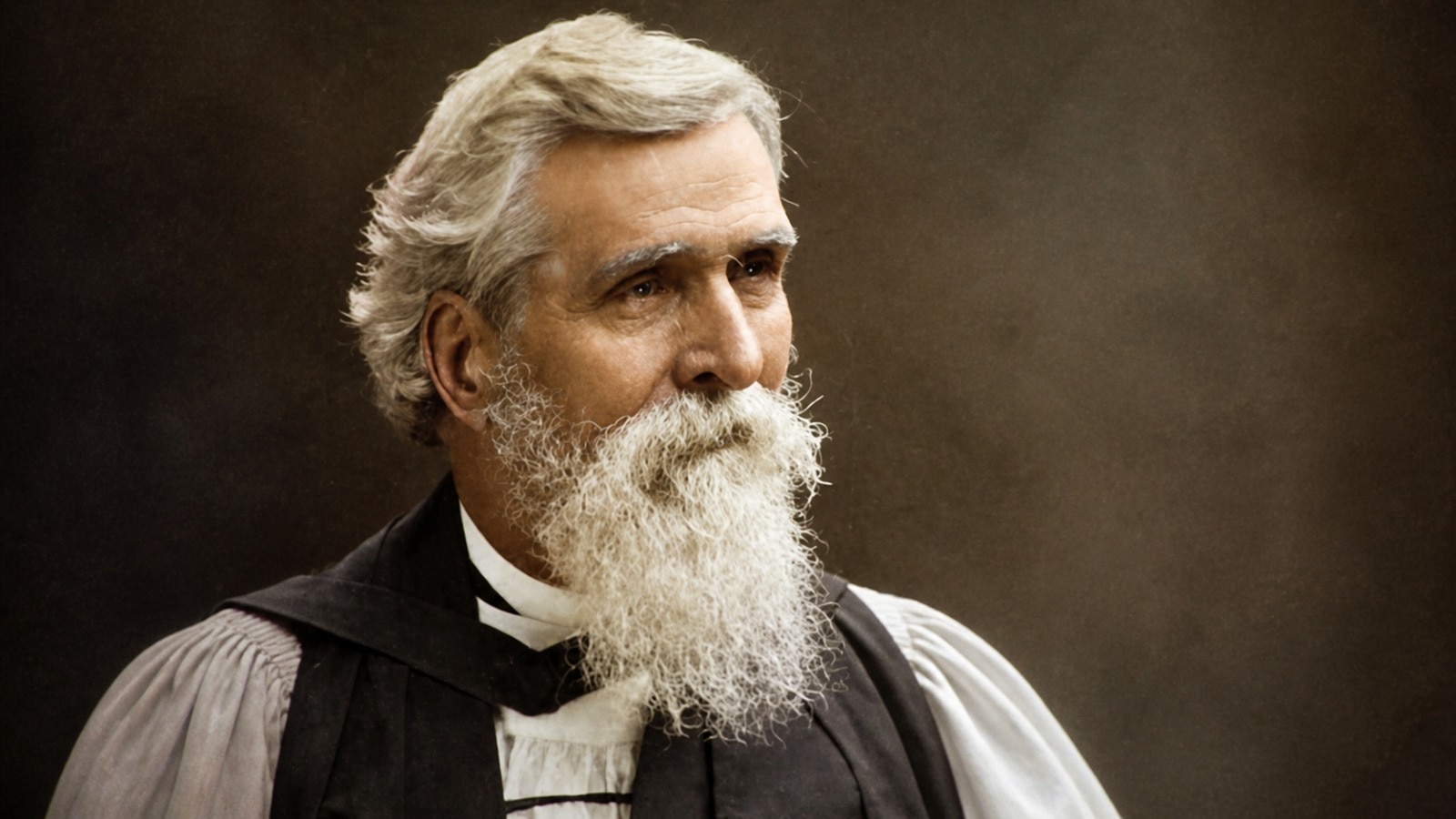
It is here that the intervention of scholars such as Robert Caldwell assumed lasting significance. By arguing, on linguistic grounds, that the Dravidian languages were structurally distinct from Sanskrit and not derivative of it, the intellectual case for Tamil’s autonomy found a firm footing. What may have begun as classification, with whatever motives, evolved into confirmation. The claim that Tamil was not an offshoot, but original, found scholarly reinforcement, and from there, political expression.
The Aryan–Dravidian binary, sharpened in colonial Indology and later public discourse, acquired a life of its own. In some narratives, it became a story of invasion and resistance; in others, a metaphor for division and dominance In Tamil Nadu, it evolved into a political language — one that spoke of dignity, representation, and self-respect. Yet, beneath the rhetoric, society itself remained far more interwoven than the polarisation suggested. The power of the idea lay not in its literal accuracy but in its political utility.
Over time, this linguistic tension morphed into a more immediate and combustible contest — Hindi versus Tamil. What began as a debate over classical languages became a resistance to perceived imposition. The opposition to Hindi was never merely about vocabulary; it was about voice. It was about who defines identity, who controls discourse, and who decides the terms of belonging. Language, once again, became politics — instant, polemical, and mobilising.
And in that movement, it acquired both emotion and edge.
The Clash of Cultures
And yet, beyond these debates lies a deeper, older self-perception. Tamilians have long viewed themselves less as a region within a nation and more as a civilisation unto themselves—an ancient continuum of culture, commerce, gods, rituals, social organisation and literary lineage distinct from the northern imagination of Aryavartha. This is not a recent political invention; it is a civilisational carry forward.
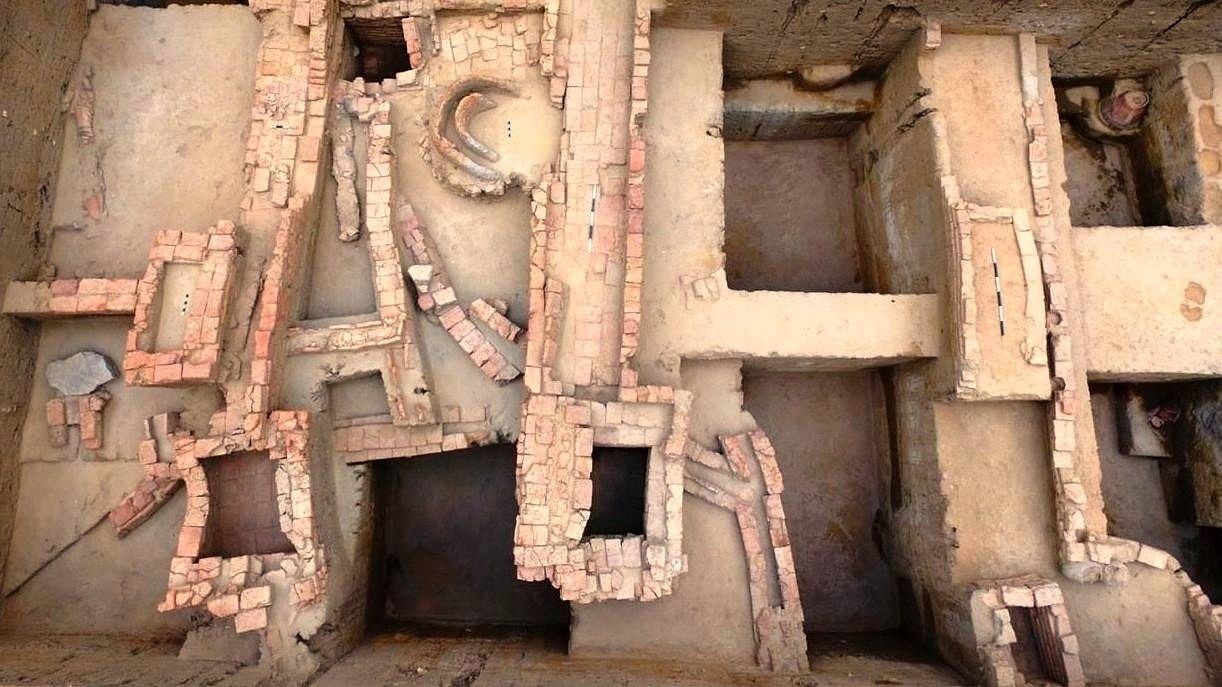
Archaeological explorations in the last few years across sites such as Keezhadi, Sivagalai, Adichanallur and elsewhere have only deepened this consciousness. Findings that push the antiquity of Tamil urban life, literacy, community practices and social systems further back in time have reinforced long-held cultural proclamations: That Tamilakam is not a parallel but a predecessor civilisation.
What was once literary pride now finds archaeological echo. And in that echo lie both affirmation and animosities. For as antiquity deepens, so too does assertion, and with it the fault lines of North–South perception occasionally sharpen. This is not merely history rediscovered; it is identity reinstated.
What followed was not a simple contention but a sustained negotiation. The tension between Tamil and Sanskrit, Tamil and Hindi, between regional pride and national belonging, was not resolved; it was managed, debated and rearticulated across generations.
From Reform to Revolt
The early twentieth century marked a decisive shift. Social reform movements began to question entrenched hierarchies. What started as critique soon evolved into organised resistance. The Justice Party’s rise was not merely electoral; it signalled a new alignment of social forces.
Then came the radical rupture. The rationalist movement transformed the discourse. It sought to strip away not just ritual but reverence. Authority was no longer to be accepted; it was to be challenged. The tone of politics changed — sharp, confrontational, unapologetic.
Periyar did not merely critique society; he unsettled it. He replaced reverence with reason, establishment with questioning, and tradition with interrogation. His was not a gentle reform; it was a deliberate rupture. Yet, even in rupture, there was construction. He laid a lexical foundation for ideals like self-respect, social justice, rationalism etc that would outlive him.
Anna, in contrast, translated that vocabulary into governance. He softened the edges without blunting the argument. He brought the movement from the street to the state, from agitation to administration. If Periyar was the storm, Anna was the channel.
Yet, even as these currents gathered force, the national party that once held sway began to recede. The Congress, which had once provided the bridge between national aspiration and regional identity, gradually lost its footing. Its inability to read the shifting sands of Tamil Nadu politics — its persistence with an older idiom — led to a slow but steady disengagement. It did not collapse overnight; it faded, almost quietly, leaving behind a vacuum that regional forces filled with confidence and clarity.
Worse, the original sin for the State’s island-like disconnect in every way lies with the Grand Old Party, which abandoned and abdicated electorally in the 1970s.
The Theatre of Politics
If ideology gave Tamil Nadu its voice, cinema gave it its reach. The entry of film into politics was not accidental; it was inevitable. A society steeped in storytelling found in cinema a powerful extension of its narrative instinct.
Leaders became larger than life, not just metaphorically but literally. The screen blurred into the stage, and the stage into governance. Punch dialogue became policy; symbolism became strategy. The electorate did not merely listen; it watched, felt and responded.
But to dismiss this as mere theatrics would be simplistic. Tinsel did not trivialise politics; it translated it. It converted ideology into imagery, argument into emotion, leadership into presence. It gave the abstract a face, and the distant a megaphone.
And yet, the question persists, lingering beneath every electoral cycle: are we fated to be ruled by the screen? Is the journey from film to fort a structural permanence or a passing phase? The answer is neither simple nor settled. Celluloid has shaped people’s imagination, but it has not monopolised it. Or so one hopes. New actors continue to emerge — some from the screen, others from the street, still others from the digital sphere. The lines keep changing, even if the core script sometimes appears familiar.
The fascination endures, but it is no longer unquestioned.
Welfare as Legitimacy
As the decades progressed, the grammar of governance evolved. Ideological fervour gave way to administrative focus. Welfare schemes became the primary interface between state and citizen. The logic was simple: legitimacy is sustained not by rhetoric alone but by delivery.
Subsidised food, education initiatives, healthcare access, social security, school support, public distribution and household assistance were not isolated policies; they were part of a larger social contract. The state positioned itself as provider, protector and participant in daily life.
Critics would call it populism; supporters would call it inclusion. The truth lay somewhere in between. Welfare in Tamil Nadu was not merely about redistribution; it was about recognition. It acknowledged disparities, addressed them, and in doing so reinforced the bond between state and society.
But even this model is now under scrutiny. As aspirations rise and economic impact draws attention, the question sharpens: can welfare remain the primary grid of governance, or must it now share space with growth, innovation and opportunity? The electorate that once demanded access now demands advancement. Freebies are now a given; the voter who valued the ration card and home appliances also asks about jobs, quality education, decent roads, safe streets, better hospitals, reliable power, clean water and social security.
Mandate, at this stage, is no longer static. It is dynamic, demanding and increasingly discerning.
The Duopoly and its Discipline
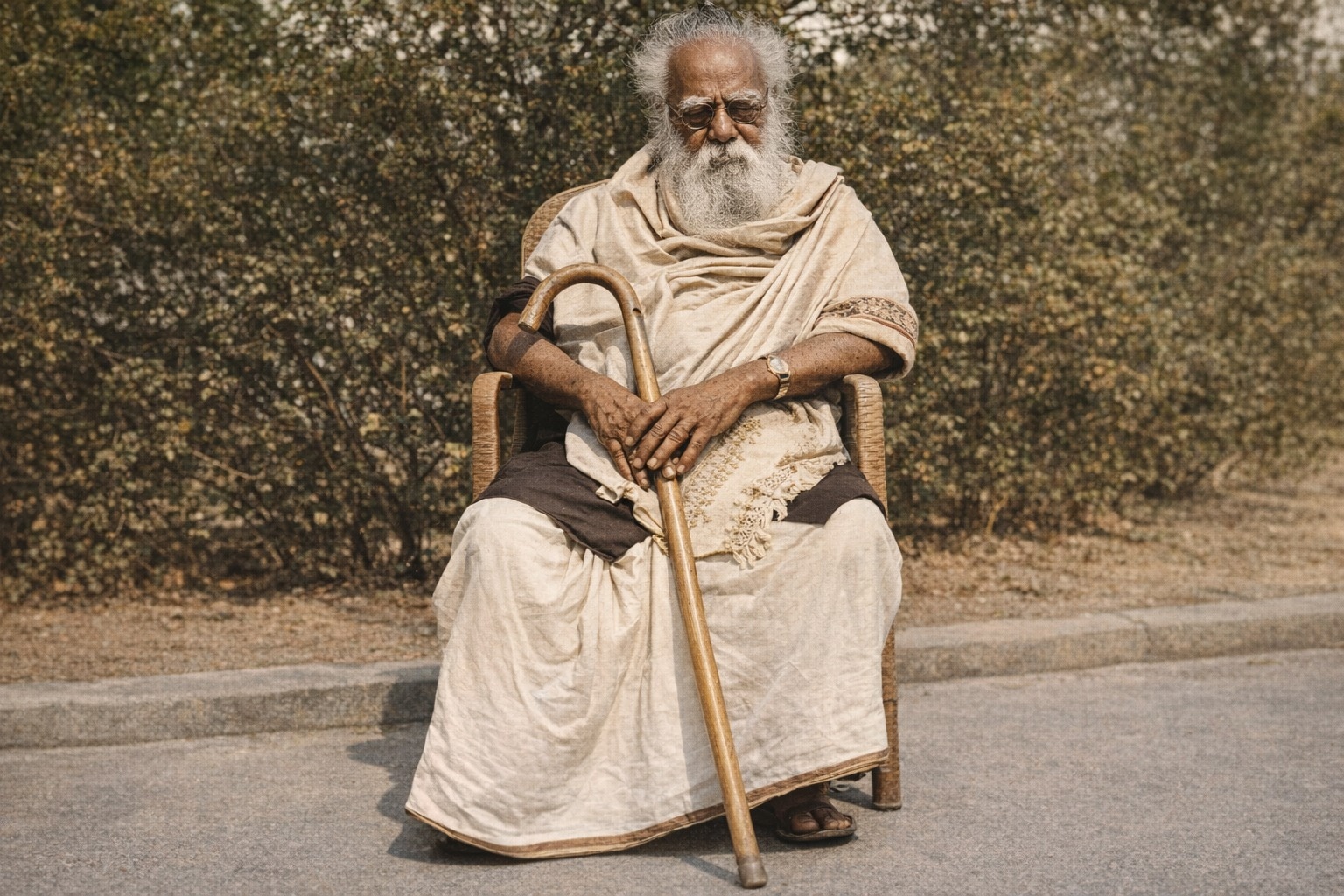
For five decades, Tamil Nadu’s political landscape was defined by a duopoly. Two parties, two leaders, two narratives — alternating, adapting, enduring. This was not stagnation; it was a calibrated competition.
The electorate developed a rhythm. Power shifted, but the system held. Governance oscillated, but continuity remained. Each regime inherited not just authority but expectation. Performance was compared, not in abstraction but in lived experience.
The passing of the towering figures who defined this era marked the end of an epoch. Yet, the system did not collapse. Institutions, often overshadowed by personalities, began to reset themselves.
The state moved from charisma to continuity. But the transition is ongoing, not complete. The shadow of personality has not entirely faded. It lingers — in recollection, in loyalty, and as legacy. Periyar, Anna, Kamaraj, MGR, Karunanidhi and Jayalalithaa stalk polls as living ghosts.
That is why new challengers face a difficult terrain. Tamil Nadu’s duopoly may look vulnerable after the exit of towering leaders, but it is not merely a leadership arrangement. It is an ecosystem of cadres, symbols, welfare memories, caste alignments, local networks and emotional inheritances. To break it requires more than publicity. It requires patience, perseverance, presence and party organisation that the voter recognises as authentic.
Centre and State: A Calibrated Contest
Tamil Nadu’s relationship with the Union has always been complex. It has resisted, when necessary, bargained when possible, and just stood firm when required. Federalism here is not a constitutional clause; it is a separate historical thread tied up later. Many here deemed Tamil Nadu's entry into the broader Indian framework post-Independence as a constitutional compulsion or a sovereign compromise in exchange for assured central concessions.
From language policies to administrative powers, from fiscal debates to institutional autonomy, the state has consistently sought to protect its space. This has not been without friction. Contemporary flashpoints — from gubernatorial assertiveness and legislative stand-offs to policy conflicts over entrance examinations such as NEET — have brought this tension into sharper relief. The frequent stalemates between Raj Bhavan and the elected government are no longer merely episodic; they are endemic, reflecting deeper questions about federal balance.
But the friction has also been revealing. It has clarified boundaries, tested frameworks, agitated the Courts and reminded both Chennai and Delhi that Indian federalism is not a decorative principle. It is the working condition of a diverse republic.
The contest is not merely political; it is philosophical. It is about the balance between uniformity and diversity, between central authority and regional autonomy, between national integration and regional self-respect.
This is where many national formations falter. Tamil Nadu cannot be approached as just another electoral territory. It resists templates. It rejects replication. Strategies that succeed elsewhere often fail here, not because they lack strength, but because they lack alignment with local sentiments and sensitivities. The difficulty faced by some national parties in securing electoral traction is not merely organisational; it is conceptual. They are often speaking a language that Tamil Nadu does not inherently recognise, and instead instinctively rejects.
This is why the state is not a puzzle to be solved by Delhi, but a grammar to be understood by it. The difference is crucial. A puzzle invites manipulation; a grammar demands learning. Tamil Nadu’s stance has been clear: participation without subordination.
The Present: Process over Personality
The current phase is marked by a subtle yet significant shift. The high-decibel politics of the past has given way to a more measured approach. Governance is less about spectacle and more about systems.
This does not mean the absence of politics. It means its transformation. Debates are intense, scrutiny is higher, expectations are clearer. The electorate is more informed, more demanding, less forgiving.
Technology has added another layer. Information flows faster, narratives shift quicker, accountability is immediate. The distance between decision and reaction has shrunk. Social media has created new theatres, new voices and new pressures. The monopoly of traditional platforms has been broken; influence is now distributed, contested and often unpredictable.
In this emerging landscape, new actors are entering — not merely from cinema, but from civil society, digital spaces and grassroots movements. The old pathways remain, but new routes are opening. The question is not whether they will succeed, but how they will reshape the paradigms.
In this environment, mandate is not just earned; it is continuously tested.
Sangam to Silicon
A new voter now stands at the intersection of past and possibility. The Tamil youth of today carries, often effortlessly, a dual inheritance. There is a visible and growing pride in cultural memory — seen in the surge of interest in archaeology, in debates around Keezhadi, Sivagalai and Adichanallur, in the reclaiming of literary and historical narratives, and in the renewed insistence that Tamil antiquity is not merely a museum subject but a living source of identity.
The past is no longer distant. It is rediscovered, debated, owned and defended. A generation that may not have read every classical text still knows that language is legacy. It may encounter Sangam poems through social media posts, archaeological claims through viral clips, political arguments through memes, and cultural awareness through digital campaigns. Memory has moved from palm leaf to print, from print to platform, and from platform to political consciousness.
And yet, this same generation is deeply embedded in the digital present and oriented towards an ambiguous but ambitious future. From engineering campuses and medical colleges to start-ups, research labs, global tech firms and the expanding universe of artificial intelligence, Tamil youth are not merely participants; they are competitors on a world stage. A long-established higher educational ecosystem has become a launchpad into new realms of science, technology and enterprise.
This also contrasts beautifully with cinema politics: the new generation may admire screen charisma, but it is increasingly shaped by skill, mobility, memes, algorithms and aspirations. The screen still dazzles, but it now shares space with the smartphone, the coding console, the coaching centre, the campus, the start-up desk and the global workplace.
This creates a striking contrast with the earlier era of cinematic dominance. The screen once shaped aspiration; today, the screen competes with the code. Influence is no longer singular. It is fragmented, algorithmic, constantly shifting. The young voter may still cheer a star’s entry, but is equally likely to ask about jobs, fees, exams, skills, salaries, safety, start-up capital, social justice and global mobility.
The question, then, is not whether tradition will survive modernity. It is whether Tamil Nadu will successfully fuse Sangam antiquity with Silicon ambition — and in doing so redefine its political vocabulary for a new generation.
Migration, jobs and the New Social Mix
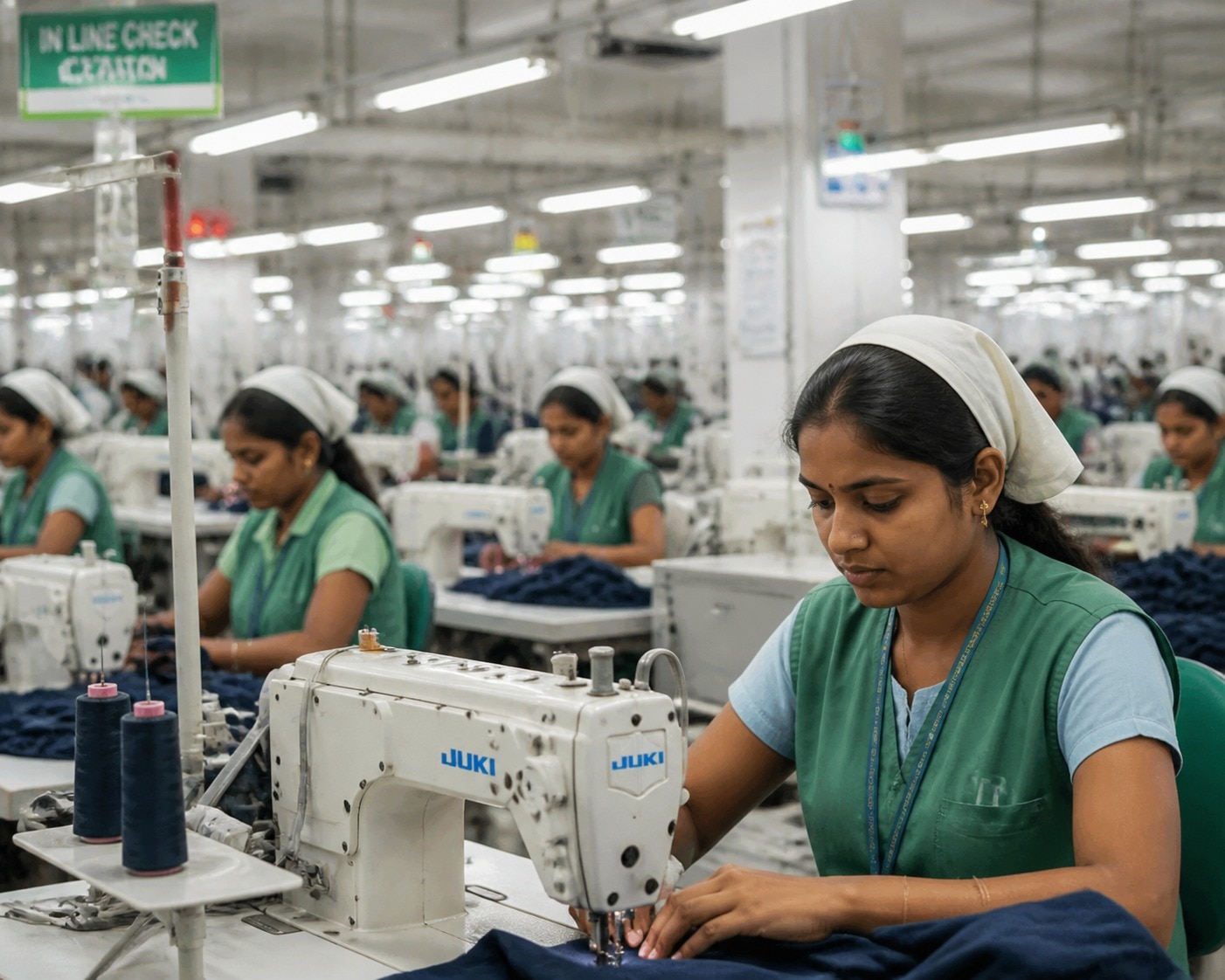
Parallel to this generational shift runs another quiet transformation. Tamil Nadu’s economic engine — its industries, construction sectors, hospitality, services, textile clusters, manufacturing belts, logistics networks and urban ecosystems — now draws labour from across the country. Migration is no longer incidental; it is indispensable and incremental.
At the same time, large sections of Tamil youth are moving upward and outward — into higher education, specialised professions, global employment, entrepreneurship, medicine, technology, finance, research and innovative industries. This creates a layered social dynamic: a state that is both inwardly rooted and outwardly connected.
This raises complex political questions. How does a society built on linguistic pride negotiate economic interdependence? How does it absorb diversity without anxiety, and assert identity without exclusion? How does it ensure that local youth do not feel displaced, migrant labour is not demonised, and industry does not suffer from social distrust?
The answers are still evolving, but the tension itself is now part of the political landscape. Tamil Nadu’s future will be shaped not merely by who speaks for Tamil identity, but by who can reconcile identity with opportunity, dignity with development, and rootedness with openness.
Women, Votes and Wounds
No analysis of Tamil Nadu is complete without acknowledging the centrality of women. For decades, women have been among the most decisive participants in the electoral process — targeted through welfare schemes, mobilised through social networks, and increasingly conscious of their political choices.
Women are not merely a 'vote bank' receiving handouts; they are also citizens negotiating safety, dignity, mobility, work, education and public space. The contrast is powerful: the same politics that woos women through welfare must answer anxieties over harassment, crimes, online abuse, workplace vulnerability and physical safety.
This engagement carries a paradox. The same system that recognises women as beneficiaries must also answer their anxieties as citizens. Questions of safety, dignity, mobility and opportunity continue to surface with unsettling regularity. From everyday harassment to more serious crimes, from workplace vulnerabilities to the darker edges of digital abuse, the issue is neither isolated nor abstract.
The political response, often framed through welfare, must now confront this deeper reality. Recognition cannot remain material alone; it must become structural and societal. A bus pass, a cash transfer or a household scheme may ease burdens, but it cannot substitute for safe streets, dignified workplaces, responsive policing, credible justice, educational opportunity and social respect.
This is no longer a side issue. It is central to the next mandate.
Tamil Nadu: The Self-Contained State
At its core, Tamil Nadu’s political journey is a monologue – an eternal conversation with itself, insulated from rest of India, perennially excluded from the national current, an alienation that is both self-inflicted and super imposed.
Every phase of its history — sacred, literary, colonial, reformist, political, cinematic, administrative, technological — has contributed to its present form. None has been discarded; all remain relevant.
This layered consciousness is what sets Tamil Nadu apart. It does not move forward by forgetting; it advances by remembering differently. The past is neither prison nor ornament. It is a political resource, a cultural compass and, at times, a weapon of assertion; by current archaeological trends, it also has a great future too.
That is why elections here often carry more than immediate stakes. They are read through older arguments: language, caste, dignity, federalism, welfare, representation, leadership and self-respect. The mandate is never merely numerical. It is weighted by nostalgia.
The Unfinished Argument
Beyond all these lie questions, both pedestrian and profound. What does federalism mean in practice? How far can identity shape governance? Can administration rise above patronage? Can leadership move beyond lineage? Can corruption be confronted without counter rhetoric? Can youth energy move beyond online expression into public transformation? Can digital noise become a democratic voice? Will migration be managed with maturity? Will welfare be renewed without becoming a permanent substitute for fiscal prudence? Will social justice remain a perennial alibi for blocking legitimate opportunity? Will the political centrality of women be matched by their everyday safety and dignity? And crucially, will Tamil Nadu continue to swear by celluloid stars, or is it ready to script a different political imagination beyond the silver screen?
These are not abstract concerns. They are ballot questions.
The Tide Continues
In the end, Tamil Nadu is not defined by a single moment or movement. The tide that began with memory has reached mandate, but it does not stop here. It will recede, reshape and return.
Elections will come and go. Governments will rise and fall. Narratives will shift and settle. But the underlying current — the interplay of past, present and posterity — will endure.
On May 4, the answers will not merely declare a winner. They will reveal a direction.
This is not a conclusion. It is a continuation. For in Tamil Nadu, time does not pass; it accumulates. And from that accumulation emerges not just politics, but a civilisation in motion.
THE END
About


Please rotate your device
We don't support landscape mode yet. Please go back to portrait mode for the best experience