Topic

Advertisement
TOPIC

CNG

Compressed Natural Gas (CNG) is a cleaner and more affordable alternative fuel used in automobiles. Made primarily of methane, CNG is natural gas stored at high pressure, usually around 200 kg/cm², to improve vehicle storage capacity and efficiency. In India, the expansion of CNG infrastructure is being promoted by the Ministry of Road Transport and Highways and the Ministry of Petroleum and Natural Gas to reduce pollution and lower dependence on imported crude oil.
 

CNG is commonly used in modified petrol vehicles as well as factory-fitted bi-fuel cars that can run on both petrol and CNG. It is considered one of the cleanest fossil fuels because it emits lower levels of carbon dioxide, carbon monoxide and nitrogen oxides compared to petrol and diesel. CNG vehicles also do not produce particulate matter, making them a key tool in reducing urban air pollution.
 

Apart from environmental benefits, CNG is also economical. The fuel is generally cheaper than petrol and diesel, while operating and maintenance costs are lower due to cleaner combustion. Since CNG burns without leaving carbon residues, engine oil lasts longer and engine wear is reduced.
 

CNG is also regarded as a safe automotive fuel. It has a high auto-ignition temperature of around 540°C and disperses quickly into the air in case of leakage because it is lighter than air. CNG cylinders are built using high-strength steel and undergo rigorous safety testing before approval for vehicle use.

...Read More
  • ALL
  • STORIES
  • VIDEOS

STORIES

Load More

VIDEOS

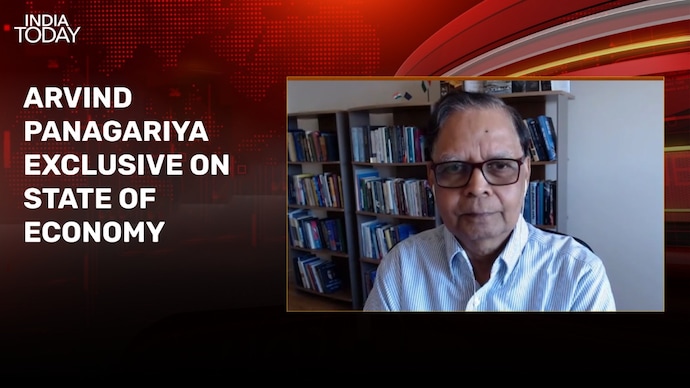
Indian economy is quite robust: Arvind Panagariya

In an exclusive interview with India Today, Arvind Panagariya, Chairman of the sixteenth Finance Commission, asserts that the domestic economy remains fundamentally robust, citing a steady gross foreign direct investment of ninety-four billion dollars for the recent fiscal year and consistent growth averaging over seven percent in the past three years.

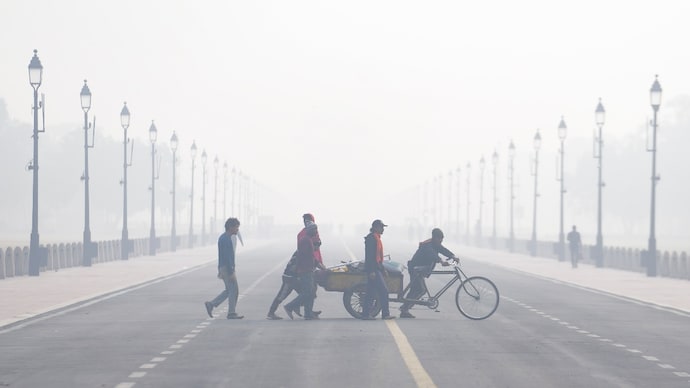
Sunita Narain says vehicular emissions, not stubble burning, Delhi's top pollutant

The latest analysis by the Centre for Science and Environment (CSE) reveals that vehicular emissions, not stubble burning, are the primary cause of Delhi's toxic air this winter. The report highlights that despite farm fires being at a multi-year low, pollution levels remain severe due to local sources. Director general of the Centre for Science and Environment, Sunita Narain, explains that while stubble burning’s contribution has dropped to under 5 per cent, vehicular congestion and nitrogen dioxide levels have spiked. The discussion calls for an urgent, scaled-up plan to upgrade public transport and electrify fleets, while questioning the political will to implement such measures effectively.

Special Report: Vehicular Emissions, Not Stubble Burning, Identified as Top Cause of Delhi Pollution

A latest analysis by the Centre for Science and Environment (CSE) reveals that vehicular emissions, not stubble burning, are the primary cause of Delhi's toxic air this winter. The report highlights that despite farm fires being at a multi-year low, pollution levels remain severe due to local sources. An environmental expert explains that while stubble burning's contribution has dropped to under 5 per cent, vehicular congestion and nitrogen dioxide levels have spiked. The discussion calls for an urgent, scaled-up plan to upgrade public transport and electrify fleets, questioning the political will to implement such measures effectively.

Delhi High Alert: Blast Near Red Fort, Terror Angle Suspected

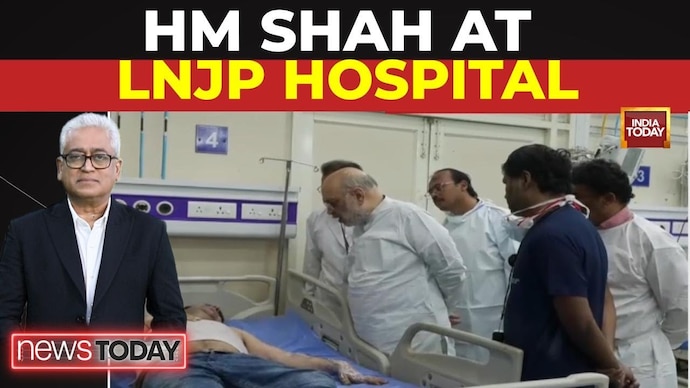
This special report covers the investigation into a powerful explosion in Delhi's crowded Chandni Chowk, just 150 metres from the Red Fort. The probe, involving Delhi Police and NSG teams, is increasingly pointing towards foul play rather than an accidental fire. According to Ankit Kumar, 'unlike a normal car accident or CNG car fire... the damage in this case seems to be much more higher, the radius is much more longer and that is why it is being suspected that that there could be some kind of foul play.' The blast, which originated in an i20 car, caused a massive damage radius of up to 15 metres, destroying multiple vehicles near the Gauri Shankar Mandir and a local Jain temple. With Home Minister Amit Shah visiting the injured, top agencies are working to uncover the true nature of the explosion that has put the national capital on high alert.

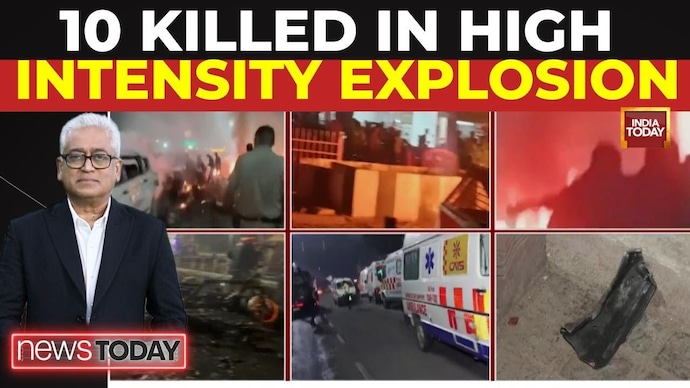
Delhi Blast Horror: 10 Dead as Van Explodes Near Red Fort, High Alert Sounded

This special report covers the deadly explosion near Delhi's Red Fort that has claimed at least 10 lives and injured more than 20 people. The incident, involving a Maruti Eeco van, is being closely monitored by Prime Minister Narendra Modi and Home Minister Amit Shah. The Delhi Police Commissioner confirmed key details, stating, 'As soon as we got the news of this explosion, the teams of Delhi police, FSL, NIA, NSG came here... We will get the results as soon as possible.' The high-intensity blast occurred near a crowded traffic signal, damaging several vehicles and triggering a massive response from emergency services. While a CNG malfunction was an initial theory, all angles are now being probed, though authorities have ruled out a link to a recent terror bust in Faridabad. Following the incident, high alerts have been declared in Mumbai, Uttar Pradesh, Haryana, and Kolkata.

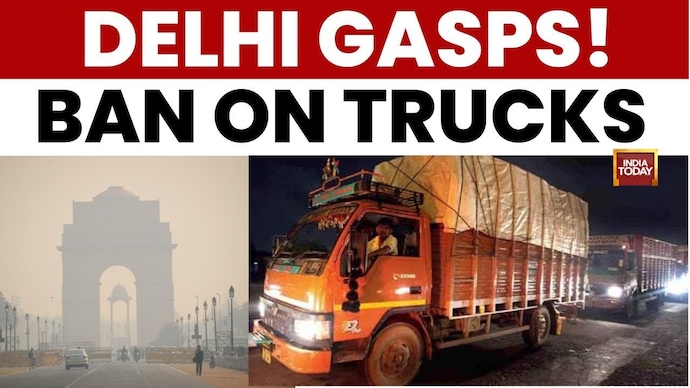
Air Pollution News: Delhi Gasps! Drastic Truck Ban Triggers Fears of Price Rise

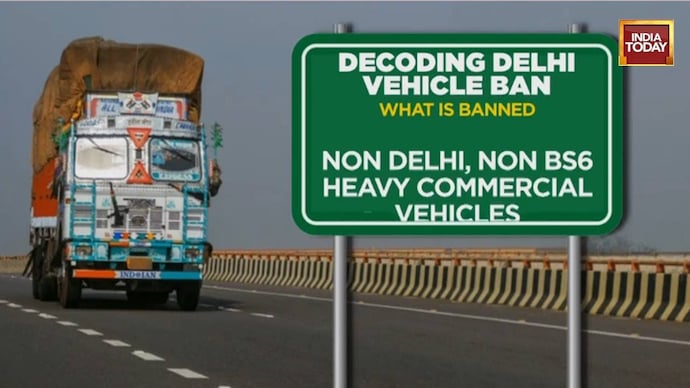
This Special Report covers Delhi's intensifying battle with air pollution as stringent new measures are rolled out. The focus is on the ban starting today on non-Delhi registered commercial goods vehicles that do not meet BS-IV or higher emission standards, a move by the Commission for Air Quality Management (CAQM). A critic questions the government's priorities, stating, 'The entire district should not be reduced to transport.' The report examines the potential dual impact of this Graded Response Action Plan (GRAP) measure: the promise of cleaner air for residents versus the threat of increased prices for everyday goods and significant supply chain disruptions for traders. The ban prohibits BS-III and older trucks from entering the city, while allowing Delhi-registered and cleaner fuel vehicles like CNG, LNG, and electric ones to operate.

Delhi's War on Smog: Non-BS-VI Commercial Trucks Banned From Nov 1!

This special report focuses on the Commission for Air Quality Management's (CAQM) directive to combat severe air pollution in Delhi by banning certain commercial vehicles. From November 1, commercial goods vehicles registered outside Delhi not compliant with BS-VI emission norms are prohibited from entering the national capital. According to the report, 'this kind of haze that you see around me is just all smog. So all the PM 2.5 particulate matter which has been trapped in the air is going to come near the surface.' The measure aims to restrict heavy vehicle movement to curtail particulate matter and smog, which plague the city as winter approaches. As a transitional measure, BS-IV compliant commercial vehicles will be allowed entry until October 31, 2026. However, there are no restrictions on Delhi-registered commercial vehicles, BS-VI compliant vehicles, or those running on CNG, LNG, or electricity.

Delhi's War On Pollution: Major Commercial Vehicle Ban From Nov 1!

This special report focuses on the Delhi government's latest measure to combat severe air pollution by banning commercial vehicles that are not BS-VI compliant from entering the city starting November 1. The report clarifies the new regulations, stating, 'commercial vehicles with BS-3, BS-4, BS-2 engines will not be allowed to enter Delhi.' The decision, prompted by directives from the Commission for Air Quality Management (CAQM), applies to all goods carriers registered outside of Delhi to reduce vehicular emissions during the critical winter months. As a transitional measure, commercial goods vehicles with BS-IV engines will be permitted entry until October 31, 2026. The segment details the enforcement plans and which vehicles, including those running on CNG, LNG, or electricity, are exempt from this sweeping ban.

India’s export competitiveness to soar with lower logistics costs: Nitin Gadkari

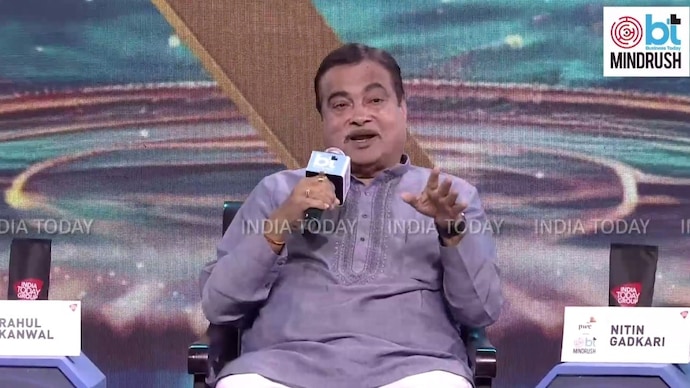
Union Minister Nitin Gadkari, speaking at the Business Today Mindrush 2025 forum, emphasised the need to boost rural and agricultural growth to accelerate India’s overall development. He highlighted the rapid growth in India's connectivity through roads, rail, and ports and predicted that bringing logistical costs down would increase the country's export competitiveness amid global trade and tariff wars.   Gadkari elaborated on India’s ambitious infrastructure projects, including the construction of 36 green express highways aimed at reducing logistics costs from 14-16 per cent to around 9 per cent, which would enhance India’s export competitiveness. He highlighted the successful monetisation of road projects worth Rs 5 lakh crore and assured that the government has no shortage of funds, only a need for faster execution.   Gadkari also stressed the importance of making agriculture economically viable by promoting biofuels, bio-bitumen, and other alternative energy sources. He cited successful experiments in converting corn to bioethanol and rice straw to bio-CNG, which have not only increased farmers’ incomes but also reduced India’s dependence on fossil fuel imports.

Video: Moment when Jaipur crash sparked inferno that killed 11

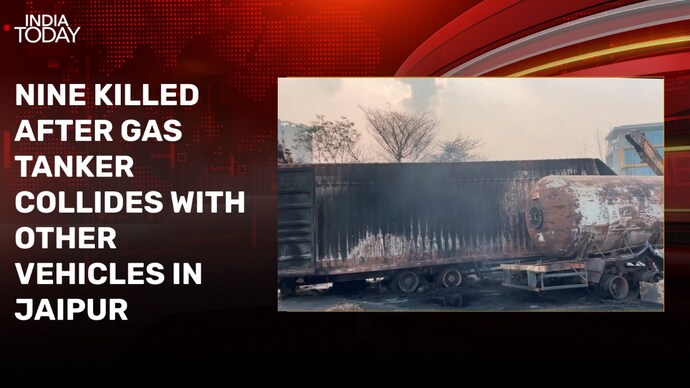
At least 11 people were charred to death and 41 others sustained burn injuries in a massive fire that broke out after an LPG tanker collided with multiple vehicles on Friday near a fuel pump on the Jaipur-Ajmer highway. According to the police, Jaipur Police Commissioner Biju George Joseph an outlet nozzle of the LPG tanker was damaged in the collision, leading to a gas leak that caused the massive fire in the area. The gas leak also spread the fire in a flash, leaving no scope for those in nearby vehicles to come out. People were seen rushing out of their vehicles and taking off clothes engulfed in flames. CCTV footage accessed by India Today TV captured the moment when the tanker crashed into other vehicles which caused the deadly incident. According to eyewitnesses, flames from nearly a kilometre away were seen as ambulances and fire brigade vehicles rushed towards the crash zone.

Can green fuel replace petrol in the next 5 years?

“Petrol will vanish from the country after five years. Your cars and scooters will either be on green hydrogen, ethanol flex fuel, CNG or LNG,” said Nitin Gadkari. India’s clean energy transition is rapidly underway. But can it replace petrol? Watch to know more.